Creative culture tends to place the artist at the center.
The choreographer, musician, writer, or director becomes the visible author of the work. Institutions appear through their brands, venues, and funding. Between them sits another kind of creative force: the person who identifies potential, assembles collaborators, translates ambition into form, and creates the conditions for the work to reach an audience.
This is the producer. The title may be impresario, editor, curator, commissioner, artistic director, or record producer. The function is similar: seeing what the work could become and building the system that makes it possible.
Because this contribution is embedded in someone else’s final work, it is often difficult to see. Yet some of the most influential cultural movements would be impossible to explain without it.
SERGEI DIAGHILEV
Building the creative constellation
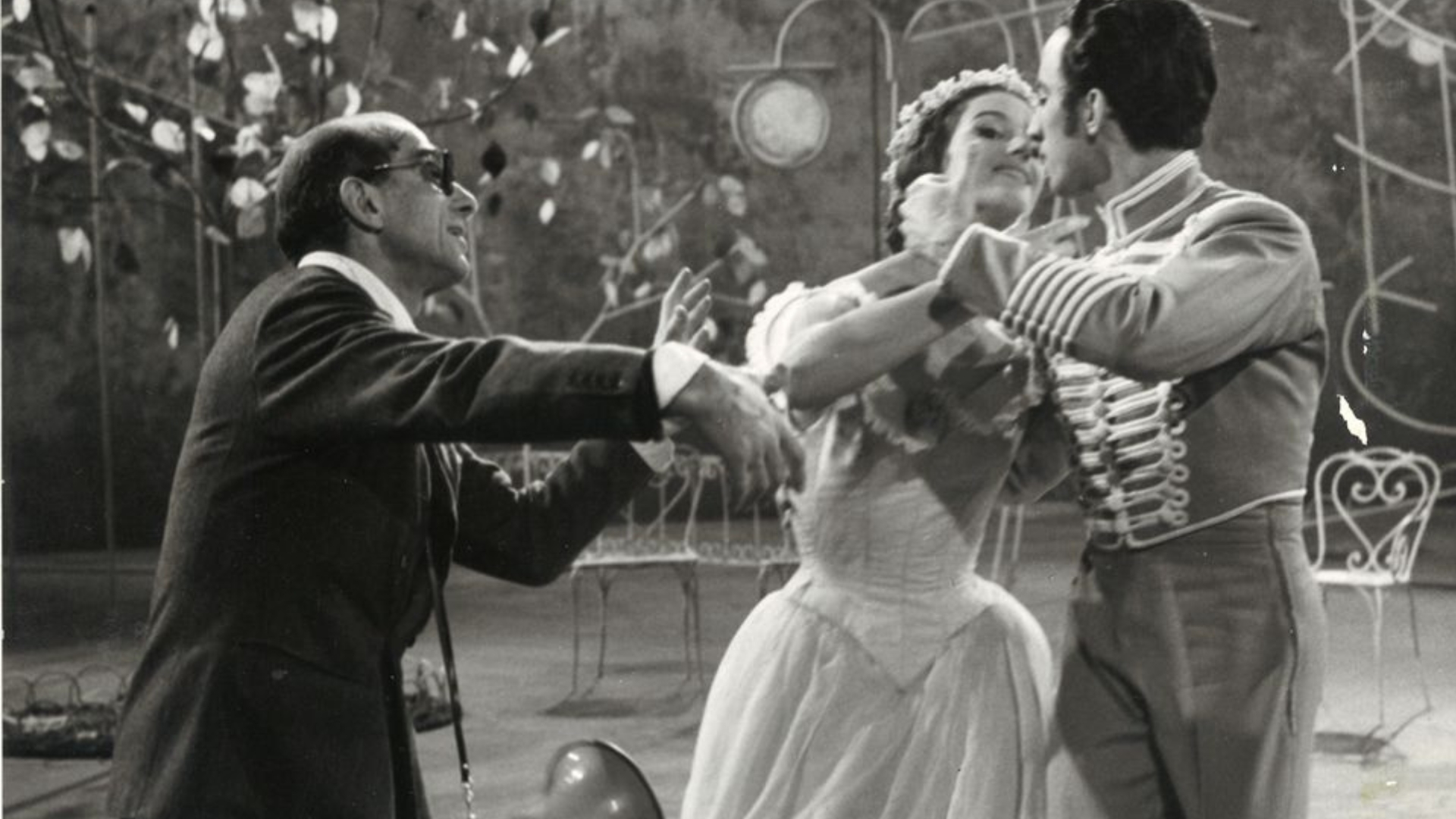
Sergei Diaghilev founded the Ballets Russes and turned it into one of the defining cultural forces of the early twentieth century. He brought choreographers, composers, dancers, designers, and visual artists into the same creative enterprise. Its circle included figures such as Igor Stravinsky, Vaslav Nijinsky, Léon Bakst, Jean Cocteau, and Pablo Picasso.
Diaghilev’s contribution was his ability to recognize talent and create combinations that none of the participants would have produced alone. Ballet became a meeting point for music, movement, painting, fashion, and theatrical design.
His work shows that originality can emerge from the architecture of collaboration. The producer creates value by deciding who should be in the room, what tension might be productive, and which disciplines should collide.
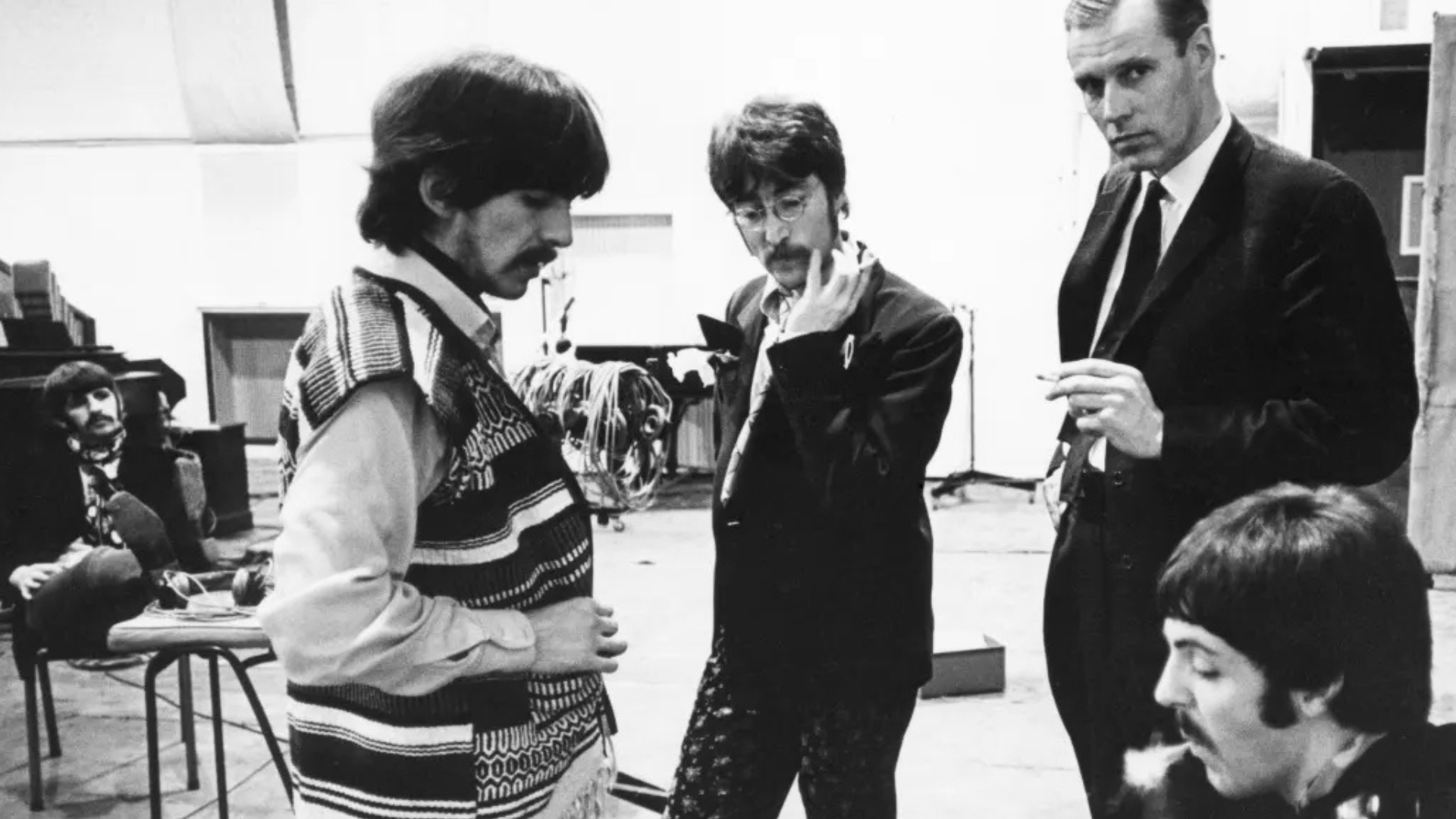
GEORGE MARTIN
Translating imagination into form
The Beatles arrived at the studio with melodies, fragments, experiments, and increasingly ambitious ideas. George Martin brought formal musical training, arranging skills, and technical fluency.
As their primary producer from “Love Me Do” through Abbey Road, he helped convert ideas into recordings that could actually exist. His work included string arrangements for songs such as “Yesterday” and the double string quartet that shaped “Eleanor Rigby.”
Martin understood the artists’ intentions, translated them across musical and technical languages, and proposed solutions that expanded the work.
This is a central producer capability. Artists can often sense the destination before they know how to reach it. The producer gives structure to that intuition while preserving its originality.
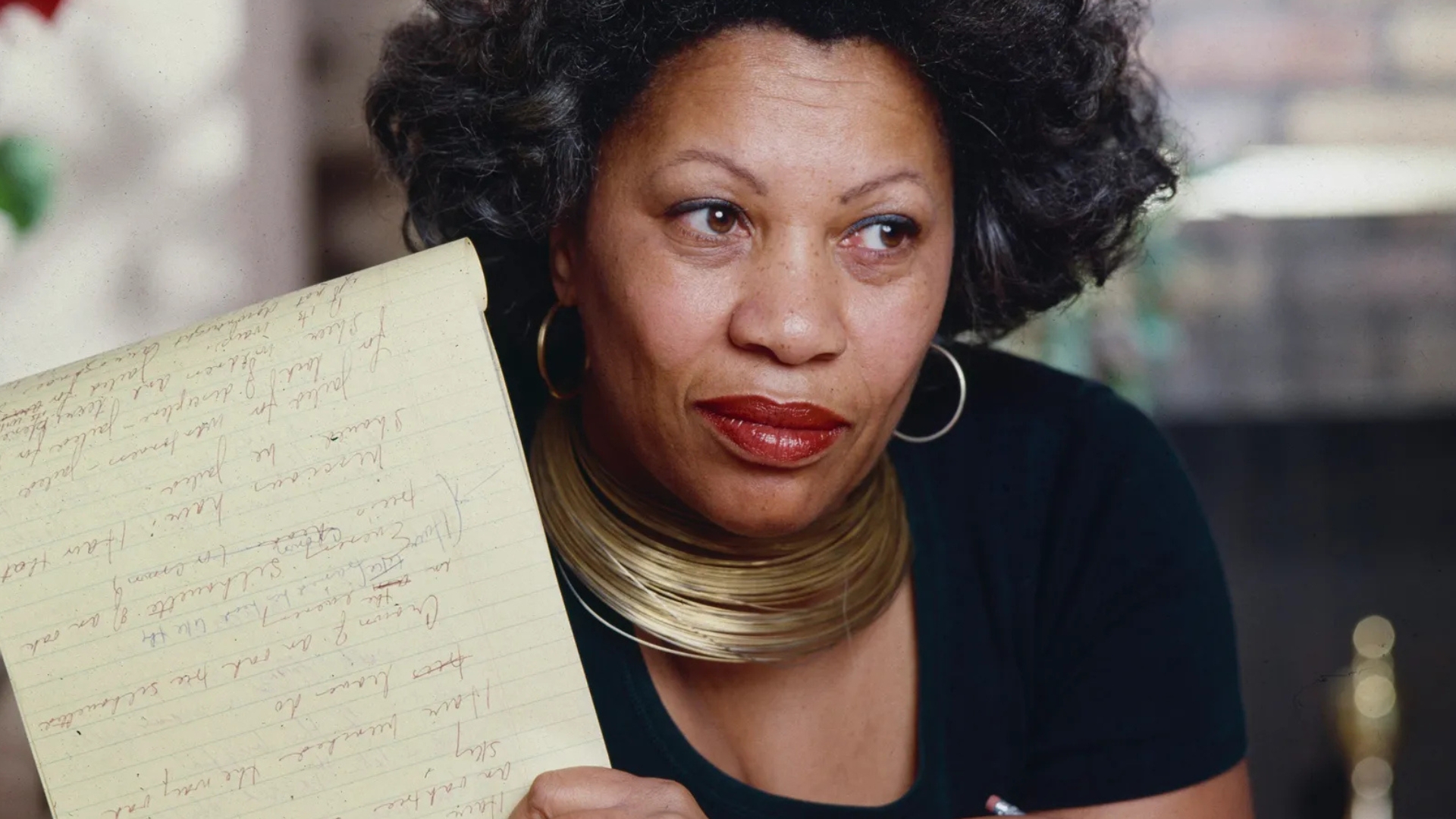
TONI MORRISON AT RANDOM HOUSE
Recognizing what the system overlooks
Before Toni Morrison became globally celebrated as a novelist, she built a major career as an editor at Random House. She became the first Black woman editor in its fiction department and worked with writers and public figures including Toni Cade Bambara, Angela Davis, Gayl Jones, James Baldwin, and Julius Lester.
Morrison’s editorial work extended beyond refining manuscripts. She identified voices that mainstream publishing had marginalized and helped their work enter wider cultural circulation. Her decisions influenced which experiences became books, which writers received institutional support, and what entered the public record.
The producer’s power, therefore, includes recognition. Cultural value cannot reach an audience when nobody inside the system is prepared to see it, defend it, and guide it through.
A FUNCTION CULTURE NEEDS
These three producers worked differently. Diaghilev assembled creative worlds. Martin translated artistic ambition into form. Morrison recognized and advanced work that the market was failing to value.
Their examples reveal production as a creative practice. It requires judgment, taste, trust, negotiation, and the ability to move between artistic, technical, financial, and institutional realities.
Cultural organizations often separate creative leadership from execution. They hire administrators to manage projects and artists to provide ideas. The missing capacity is frequently the person who can connect the two: someone able to protect the artistic intention while building the pathway that makes it viable.
Great work rarely moves from imagination to impact on talent alone. Somewhere in that journey, a producer sees the possibility, gathers the right people, and helps the work become more than any one contributor could have made.
Register for the chance to be invited to apply to The Global Arts MBA