
Generative AI has made production radically easier.
A competent image, paragraph, soundtrack, presentation, or campaign can now be created in minutes. The technical barrier to producing something presentable is collapsing, and the volume of available content is rising with it.
This changes where creative value sits. When execution was scarce, the ability to produce was itself an advantage. As production becomes abundant, judgment becomes more important: what to make, what to reject, what to combine, and what is worth asking an audience to notice.
Taste is often reduced to personal preference or aesthetic polish. In creative work, it is a demanding capability. It requires cultural awareness, independent judgment, and the discipline to choose among endless plausible options.
AI can multiply possibilities. Taste determines which ones deserve to exist.

CLARKESWORLD
Taste as filtration
In February 2023, science fiction magazine Clarkesworld temporarily closed its submissions portal after receiving a sudden surge of AI-generated stories.
Editor Neil Clarke reported that the magazine had received around 500 machine-written submissions alongside approximately 700 legitimate ones that month. Many came from people who followed online schemes promising easy income through AI-generated fiction.
The stories often resembled finished work. They had titles, paragraphs, characters, and recognizable structures. Yet editors still had to determine whether they contained originality, intention, or anything worth publishing.
The case revealed an early consequence of abundant generation: production can scale much faster than human attention.
When hundreds of plausible outputs compete for limited space, the ability to filter becomes increasingly valuable. Taste begins with exclusion. It protects attention by deciding what deserves to move forward.
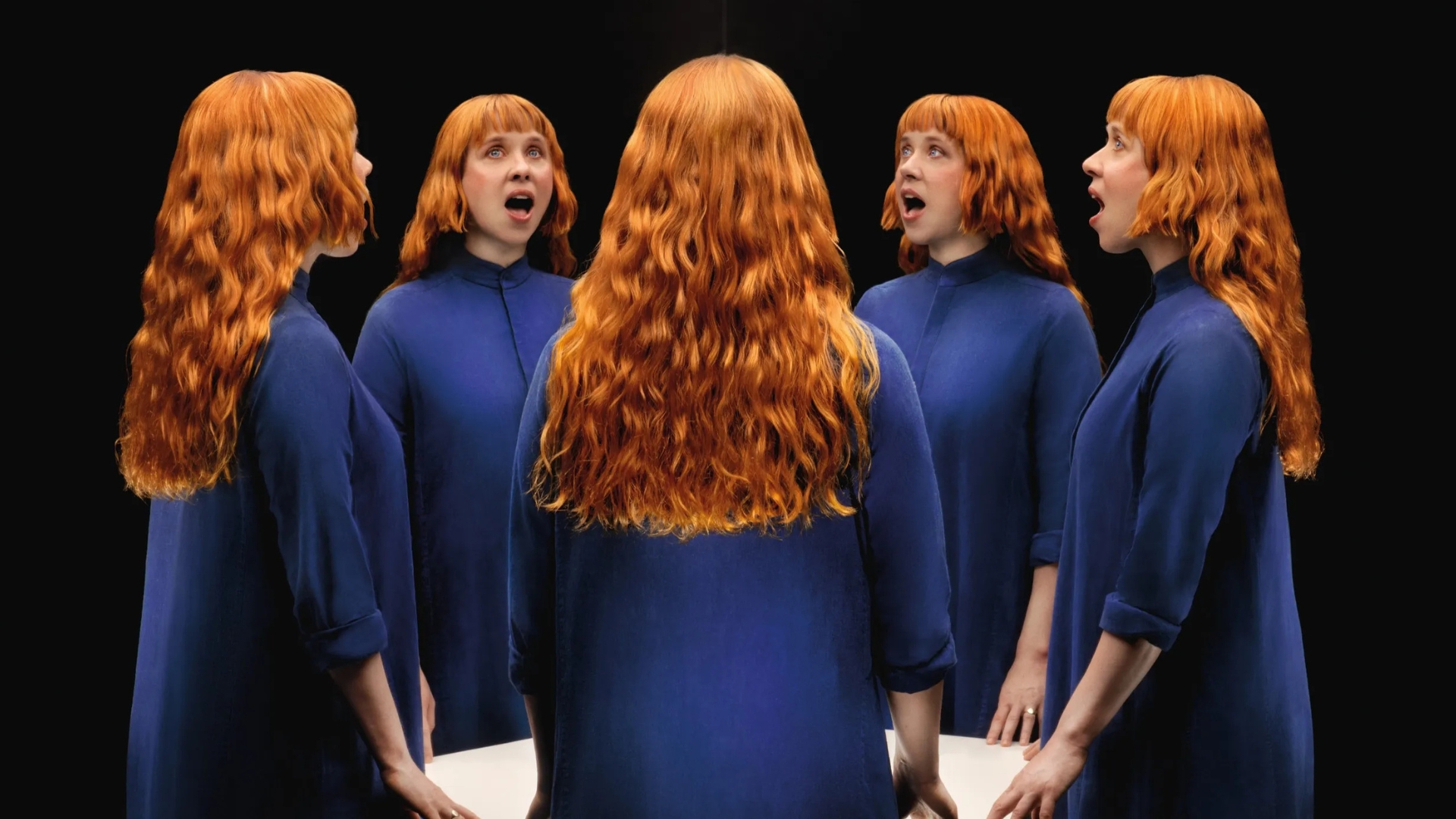
HOLLY HERNDON AND SPAWN
Taste as direction
Composer Holly Herndon began experimenting with machine learning long before generative AI became widely accessible.
For her 2019 album PROTO, Herndon and her collaborators developed Spawn, an AI system trained through recordings of their voices and public singing sessions. Spawn performed alongside a human vocal ensemble as part of the creative process.
The technology alone did not determine the result. Herndon selected the training material, collaborators, musical references, ethical boundaries, and the relationship between human and machine.
Those choices reflected her broader interests in voice, community, technology, consent, and digital ownership. Another artist using similar tools would have produced something entirely different.
Herndon demonstrates why access to the same technology does not create the same work. Creative systems acquire meaning through the decisions surrounding them.
Taste functions here as direction: choosing the inputs, setting the constraints, and deciding what the technology is being asked to explore.

MIUCCIA PRADA
Taste as conviction
Miuccia Prada has built a career by challenging established ideas of beauty and desirability.
Her collections have repeatedly drawn on uniforms, severe silhouettes, industrial fabrics, unusual color combinations, and elements that initially appear awkward or unfashionable. Rather than following accepted standards of good taste, she has often questioned how those standards are formed.
Her influence comes partly from choosing what the market has not yet validated. She identifies potential in ideas that others may overlook and develops them with enough consistency and conviction to change how they are perceived.
Over time, what initially appeared strange becomes influential. The market learns to see what she saw earlier.
This is one of the strongest expressions of taste: recognizing value before consensus forms and sustaining that judgment long enough for others to understand it.
AI systems are highly effective at learning existing patterns. Creative distinction may increasingly depend on the willingness to move away from those patterns before there is evidence that the choice will succeed.
THE CAPITAL OF JUDGMENT
As generative tools improve, polished execution will become increasingly common. More people will be able to produce credible work across writing, image, music, fashion, and design.
The decisive advantage will come from developing a point of view capable of directing those tools.
Taste grows through exposure, curiosity, experimentation, and repeated acts of selection. It develops through knowing why one image belongs, and another does not, why one reference feels alive while another feels derivative, and when a technically successful result still lacks meaning.
For individual creatives, their most valuable capital may be the sensibility people learn to recognize and trust.
For cultural organizations, programming, commissioning, editing, and curating become even more consequential. Infinite output increases the need for people willing to choose with intelligence and conviction.
The future will contain more content than any audience can absorb. The moat belongs to those who know what deserves attention.
Register for the chance to be invited to apply to The Global Arts MBA