Creative culture places enormous weight on first exposure.
The premiere, debut, opening night, and first publication are treated as decisive moments. Reviews arrive quickly. Institutions choose what to support next. Audiences form judgments before a work has had much time to develop.
This system creates urgency, but it also encourages premature finality. Some works reveal their full potential only after they have been rewritten, restaged, recut, or encountered by a different generation.
Revision is usually imagined as something that happens before release. Creative history tells a broader story. Artists return to published work. Productions evolve across decades. New technology allows filmmakers to reconsider choices once shaped by commercial pressure.
The right to revise is the freedom to continue the creative process after the work has already been seen by the world.
WALT WHITMAN’S LEAVES OF GRASS
A work that grew with its author.
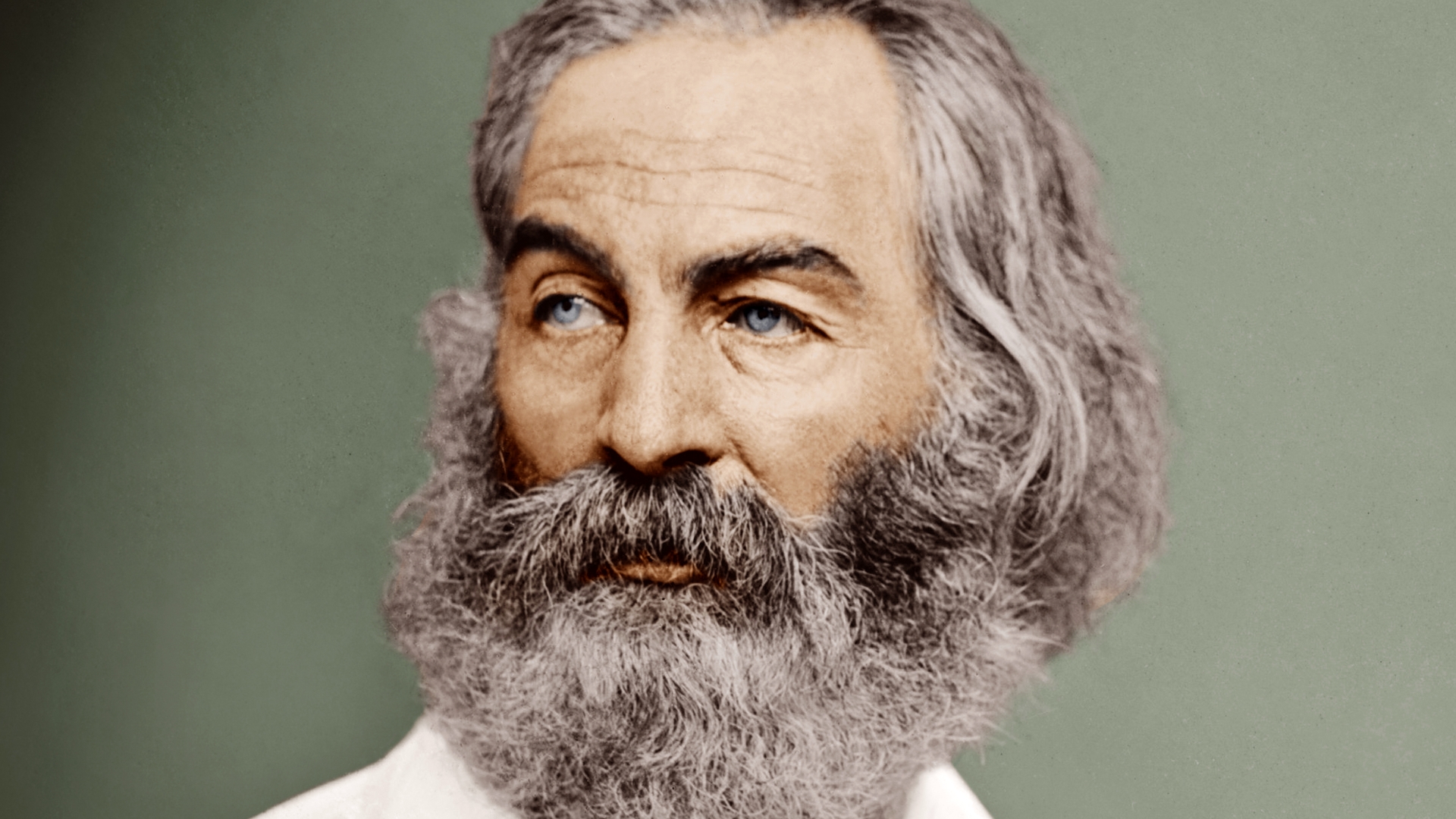
Walt Whitman published six distinct American editions of Leaves of Grass over a 37-year career. He added poems, removed and rearranged material, altered titles, and repeatedly revised lines that had already appeared in print.
The collection changed as Whitman’s ideas, experiences, and understanding of its structure changed. Even “Song of Myself” went through several titles before settling on the name now familiar to readers.
Whitman treated publication as part of the work’s development. Each edition captured a stage in an evolving creative project. His example challenges the pressure to identify a definitive version too early. A work can enter public life and remain open to reconsideration.
MERRILY WE ROLL ALONG
A first reception reconsidered
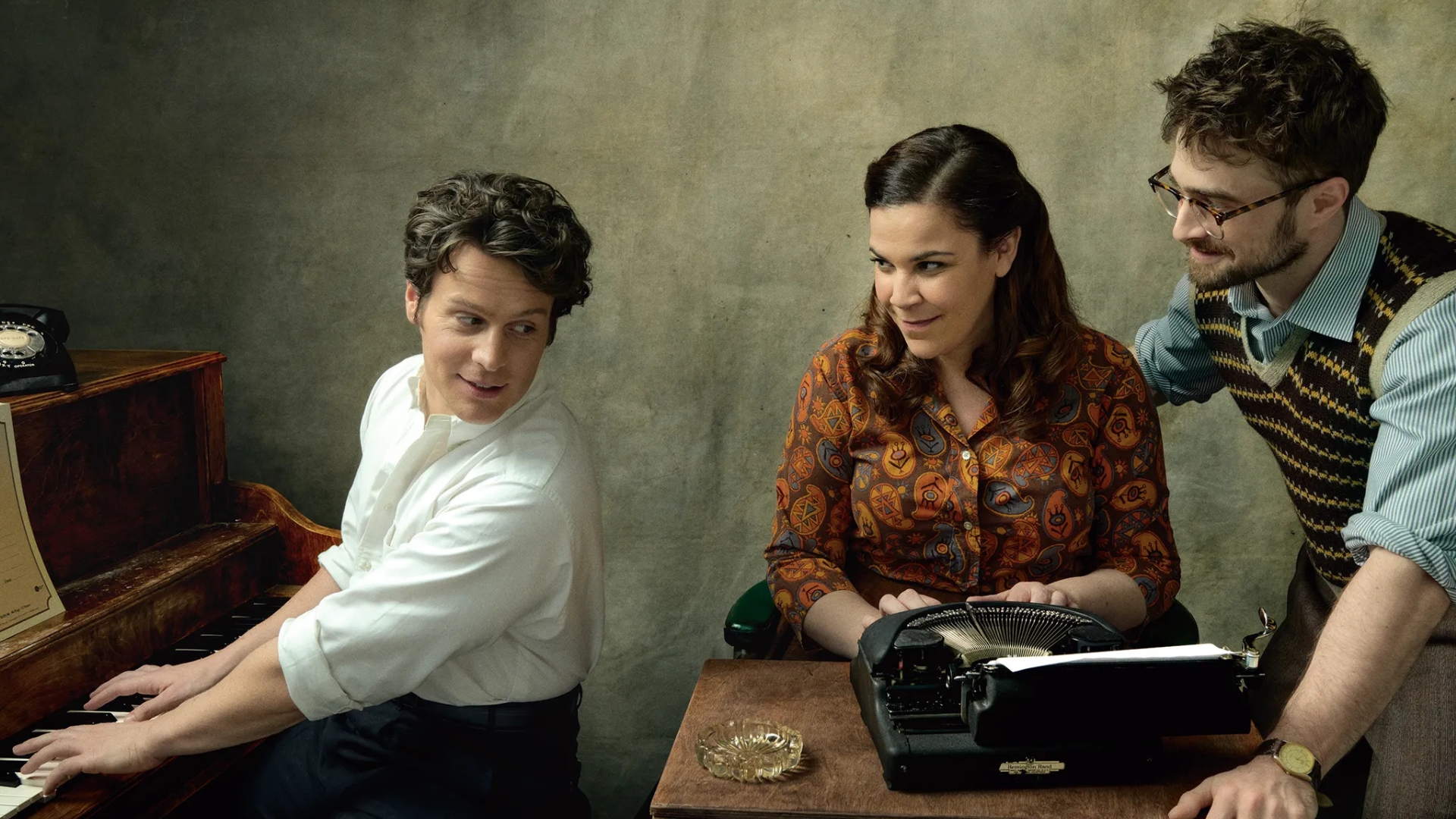
Stephen Sondheim and George Furth’s Merrily We Roll Along closed on Broadway in 1981 after only 16 performances. Its original production received devastating reviews and was widely regarded as a failure.
The musical continued to evolve through rewrites and new productions. Directors, performers, and audiences returned to it repeatedly, testing different ways to clarify its structure and emotional arc.
Maria Friedman’s production reached Broadway in 2023 and won the 2024 Tony Award for Best Revival of a Musical.
The material had changed, but so had the conditions around it. The performers brought greater age and experience to characters looking back on friendship, ambition, and compromise. Audiences encountered the work after decades of critical reassessment.
Merrily shows why early reception should remain provisional. A premiere measures the encounter between one version, one production, and one audience at one moment in time.
BLADE RUNNER
Revision through reclaimed control
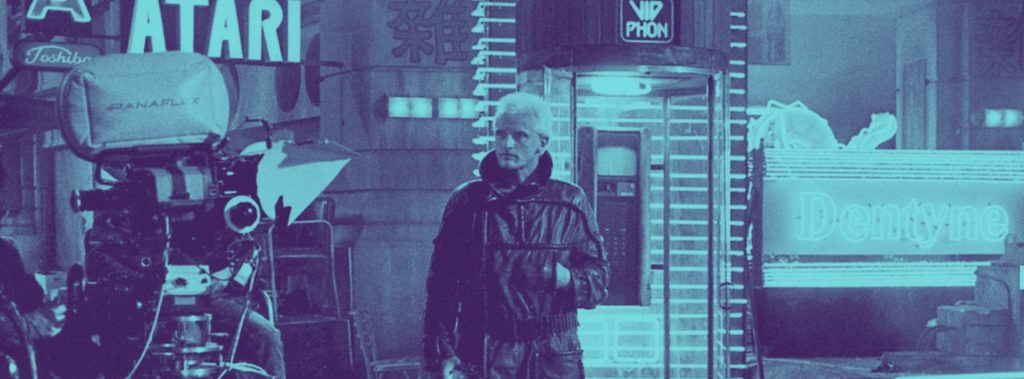
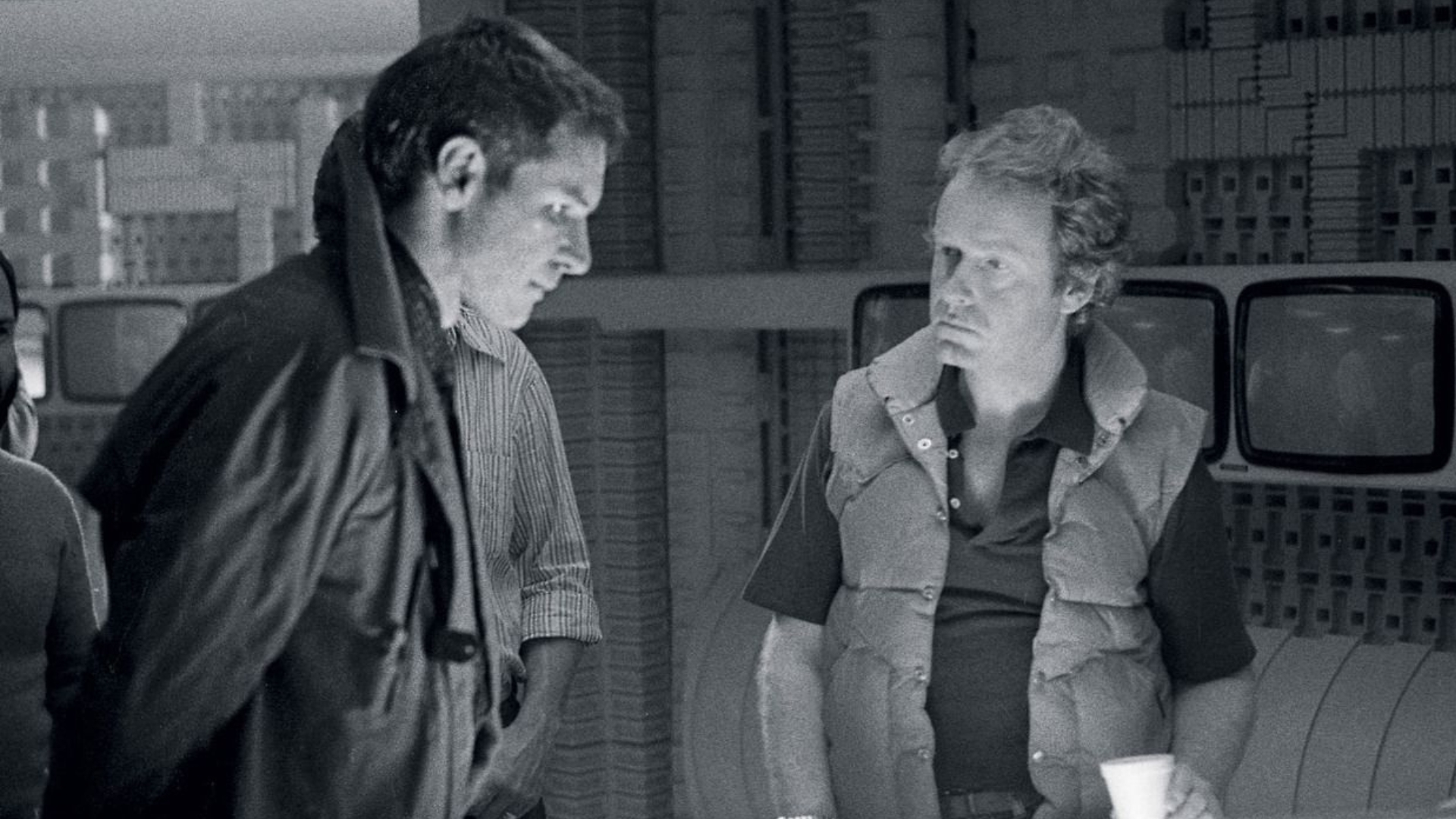
Blade Runner entered cinemas in 1982 in a version shaped partly by studio demands, including an explanatory voiceover and a more reassuring ending.
The film later circulated in several forms. A 1992 Director’s Cut removed those elements, while Ridley Scott’s 2007 Final Cut allowed him to revisit the work with greater creative control and updated restoration technology.
The revisions changed ambiguity, rhythm, and the audience’s interpretation of the central character.
Blade Runner demonstrates how industrial conditions can determine which version of a work reaches the public. It also shows how new distribution formats and technologies can create opportunities to recover previously constrained artistic intentions.
BUILDING A CULTURE OF REVISION
These examples involve different forms of return. Whitman revised his own work across a lifetime. Merrily evolved through repeated productions and changing collaborators. Blade Runner was reshaped when its director gained the means to revisit it.
Together, they expose the limits of a cultural system organized around constant novelty. When institutions move immediately toward the next commission, season, or release, they may abandon work before it has reached its strongest form.
Supporting revision requires time, resources, and a willingness to reconsider earlier judgments. It can mean commissioning a second development phase, remounting a promising production, republishing a changed text, or giving artists access to their previous work.
The first version makes the work visible.
Revision discovers what else it can become.
Register for the chance to be invited to apply to The Global Arts MBA