Creative culture tends to associate innovation with new tools.
New technologies expand what can be made, remove technical barriers, and create possibilities that previous generations did not have.
But creative progress does not always move forward in a straight line.
Sometimes an older format returns because its limitations, textures, or rituals offer something newer tools have made less visible.
A letter slows communication down. Stop-motion preserves the evidence of physical objects and human hands. An obsolete film ratio can make a contemporary image feel unusually confined.
The form may be old. What the creator asks it to do can be entirely new.

VIRGINIA EVANS, THE CORRESPONDENT
An old form creates intimacy
Virginia Evans’s The Correspondent tells its story almost entirely through letters and emails written by Sybil Van Antwerp, a woman in her seventies.
The epistolary novel is hardly new. Its history stretches back centuries. Evans herself has cited 84, Charing Cross Road as an inspiration for trying the form. But letters create an unusual kind of access to a character.
We never receive a complete, neutral account of Sybil. We encounter different versions of her depending on whom she is writing to: intimate, defensive, funny, formal, wounded, affectionate. What she omits becomes almost as revealing as what she includes.
The form introduces distance, but that distance creates intimacy.
In an age of instant messaging and continuous communication, the deliberate act of writing to one specific person begins to feel newly expressive.
GUILLERMO DEL TORO, PINOCCHIO
An old technique restores physical presence
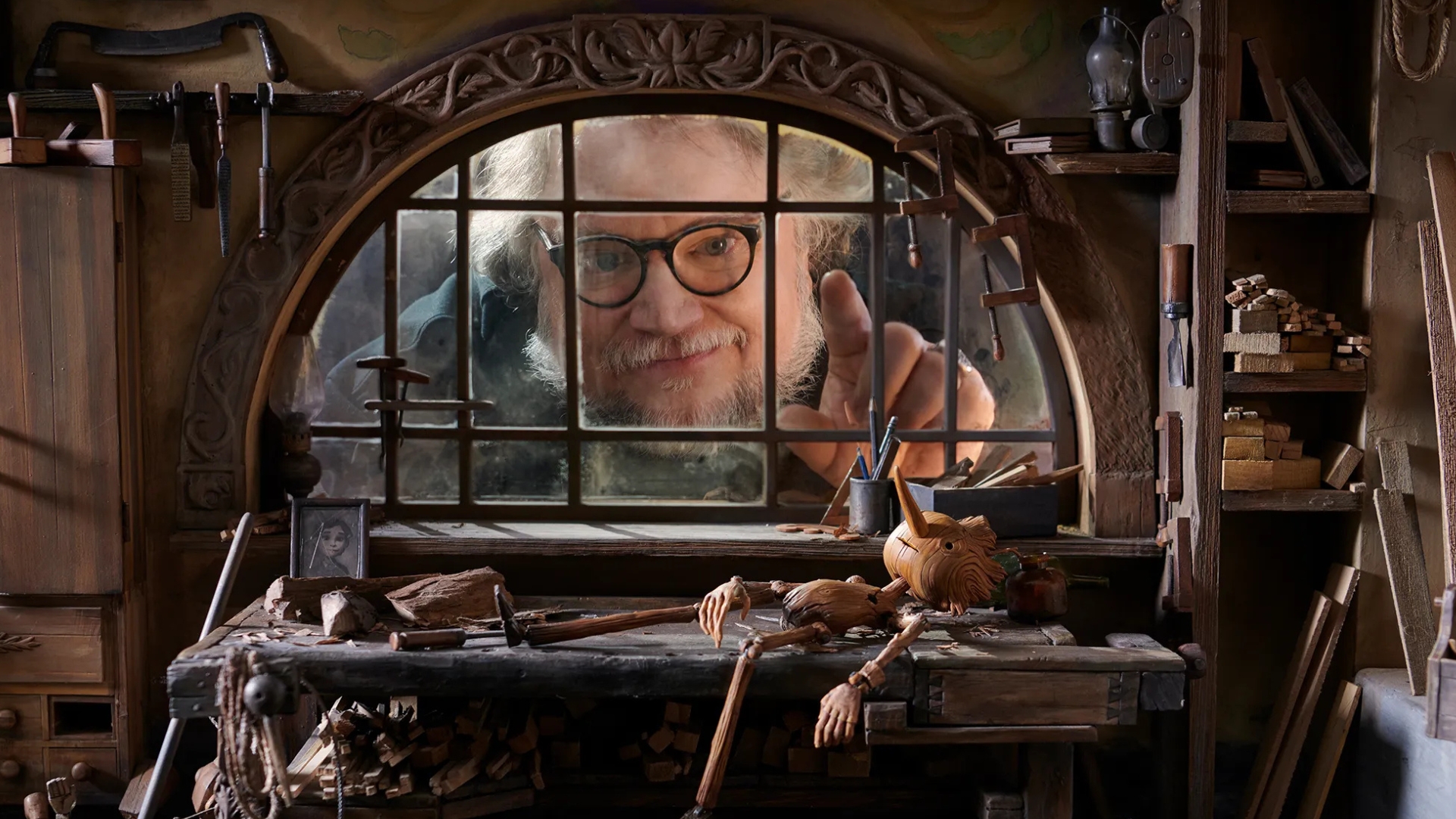
Stop-motion animation is one of cinema’s oldest techniques.
For Guillermo del Toro’s Pinocchio, released in 2022, there were far faster ways to animate a wooden puppet. Del Toro never seriously considered them.
He described stop-motion as fundamentally more tactile: objects exist in real space, light actually falls across their surfaces, and every movement requires someone to physically manipulate the character frame by frame.
That physicality matters particularly for Pinocchio. This is a story about an artificial object becoming alive. Stop-motion lets the audience see a puppet that is genuinely material while simultaneously believing in its emotional life.
The technique also preserves small imperfections. Movement does not have the frictionless quality digital animation can achieve.
In a medium capable of producing almost anything seamlessly, those traces of difficulty become part of the appeal.
The old form gives the story weight.
ROBERT EGGERS, THE LIGHTHOUSE
An obsolete format creates a new constraint
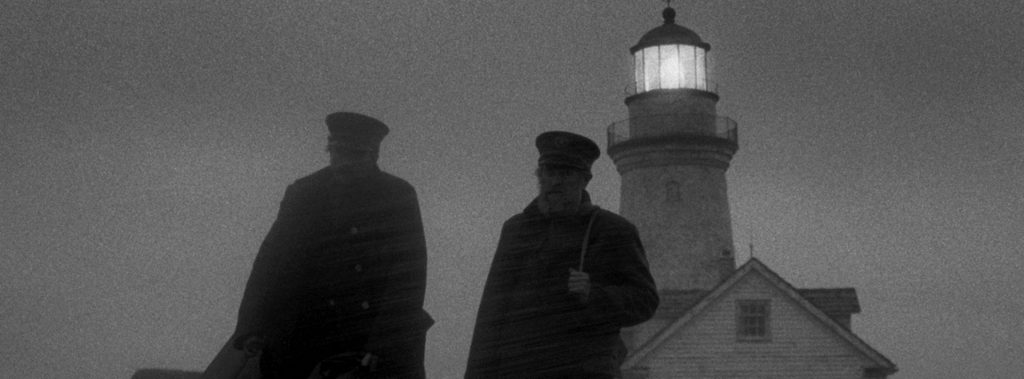
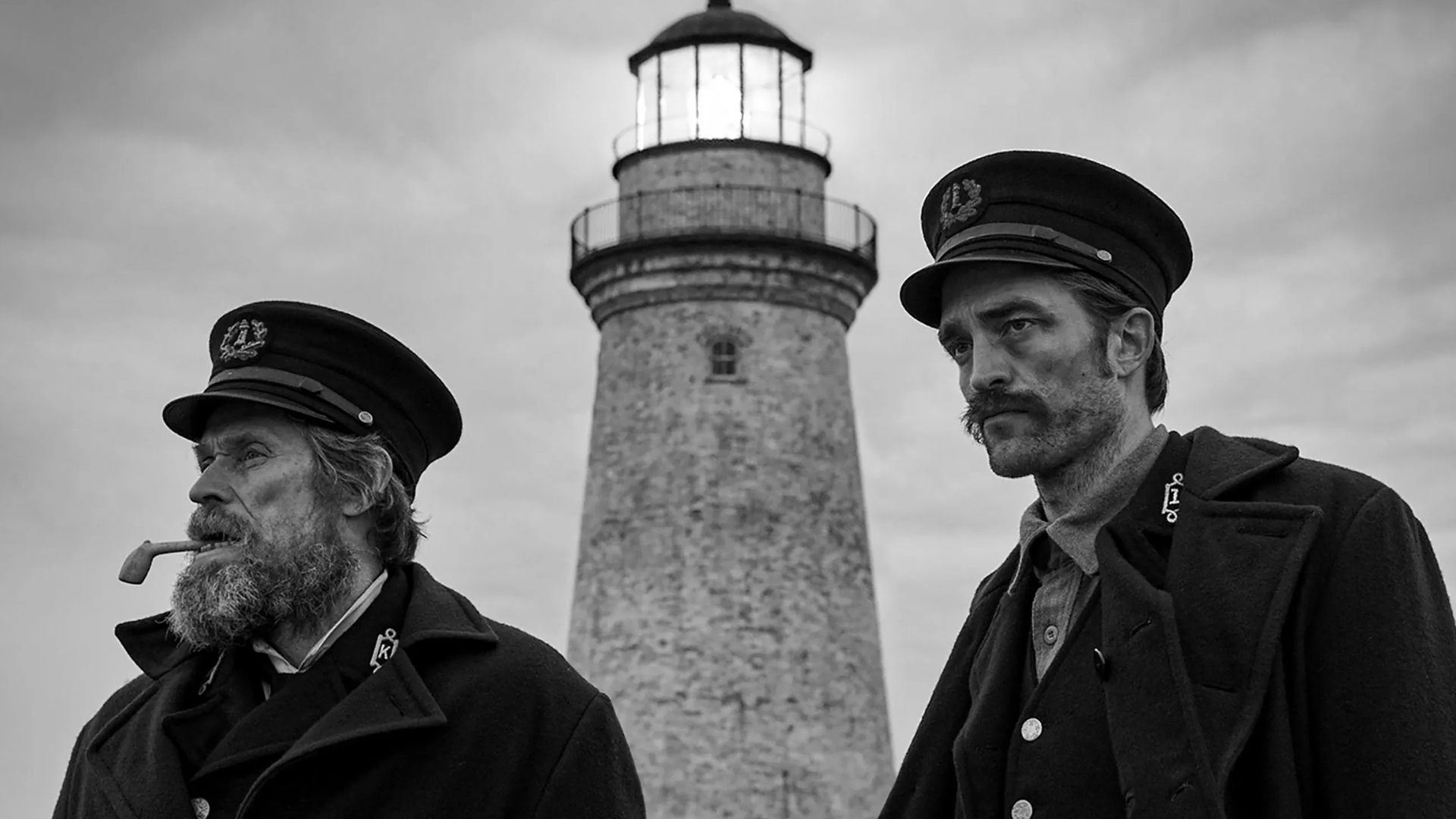
Robert Eggers and cinematographer Jarin Blaschke shot The Lighthouse in black-and-white 35mm using a nearly square 1.19:1 aspect ratio associated with early sound cinema.
The decision was not simply an exercise in making the film look old.
The narrow frame suited the lighthouse’s vertical shape, isolated the two central characters, and made cramped interiors feel even more claustrophobic. Blaschke has explained that the ratio helped visually trap the characters together and limit what the audience could see.
The production also used vintage lenses and techniques designed to evoke older photographic processes.
A format largely abandoned by contemporary cinema became useful precisely because of what it could no longer do easily.
The restricted frame created pressure. The old technology produced atmosphere.
WHAT OLD FORMS STILL KNOW
New tools usually give creators more options. That is valuable. But more options do not automatically create more interesting work.
Older formats often arrive with friction already built in. A letter has a sender and recipient. Stop-motion requires physical objects. A narrow film frame removes space rather than adding it.
Those constraints can produce qualities that unlimited flexibility sometimes struggles to generate: intimacy, tactility, patience, focus.
The point is not to romanticize the past or reject new technology. It is to resist assuming that creative evolution makes previous forms obsolete.
Sometimes an old format survives because it still knows how to do something unusually well.
And sometimes making something feel new begins by returning to a form we thought we had already left behind.
Register for the chance to be invited to apply to The Global Arts MBA