Creative work is often blocked by the pressure to be good too early.
A writer wants the first sentence to sound intelligent. A musician wants the first melody to feel original. A programmer wants the first concept to be viable. A cultural organization wants the initial public idea to be sufficiently respectable to withstand internal scrutiny.
That pressure looks like quality control. In practice, it often kills the material before it exists.
Many creative processes fail at the earliest stage because judgment arrives before generation. People censor the awkward sentence, the strange image, the obvious melody, the impractical format, the embarrassing proposal, or the half-formed idea. The result is clean, safe, and predictable.
Badness has a useful role in creative work. A terrible first attempt lowers the stakes. It gives the mind permission to move before it knows where it is going. It creates volume. It gives teams material to examine, combine, reverse, sharpen, or discard. It also separates two very different tasks: making and judging.
This connects to research on psychological safety, a concept developed by Harvard professor Amy Edmondson. Psychological safety describes a team climate where people feel able to take interpersonal risks, speak up, ask questions, and make mistakes without fear of humiliation or punishment.
For creative organizations, this matters because early ideas are socially vulnerable. A new idea can sound naive before it becomes useful. A rough proposal can sound absurd before it reveals an opening. A bad version can contain one element worth keeping.
The useful principle is simple: protect the generative stage long enough for better material to appear.
MODELS IN PRACTICE
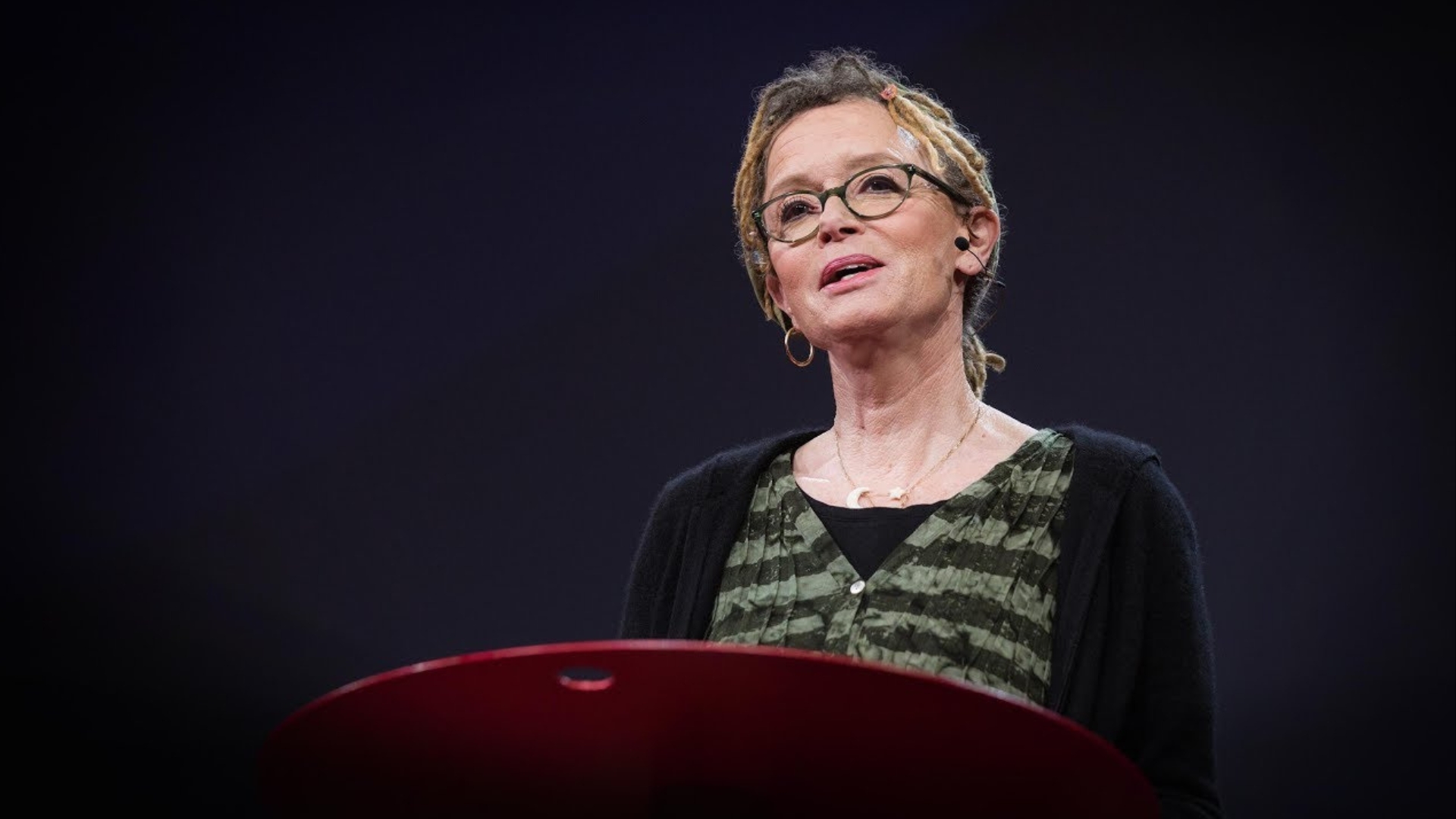
Anne Lamott: Bad first drafts
In Bird by Bird, writer Anne Lamott made one of the most useful arguments in modern writing instruction: first drafts are allowed to be bad.
Her phrase “shitty first drafts” became famous because it names a private reality of creative work. Writers often begin with excess, awkwardness, repetition, weak sentences, and uncertainty.
The bad draft gets the writer past paralysis. It creates something visible. Once the material exists, the work can begin to think with itself.
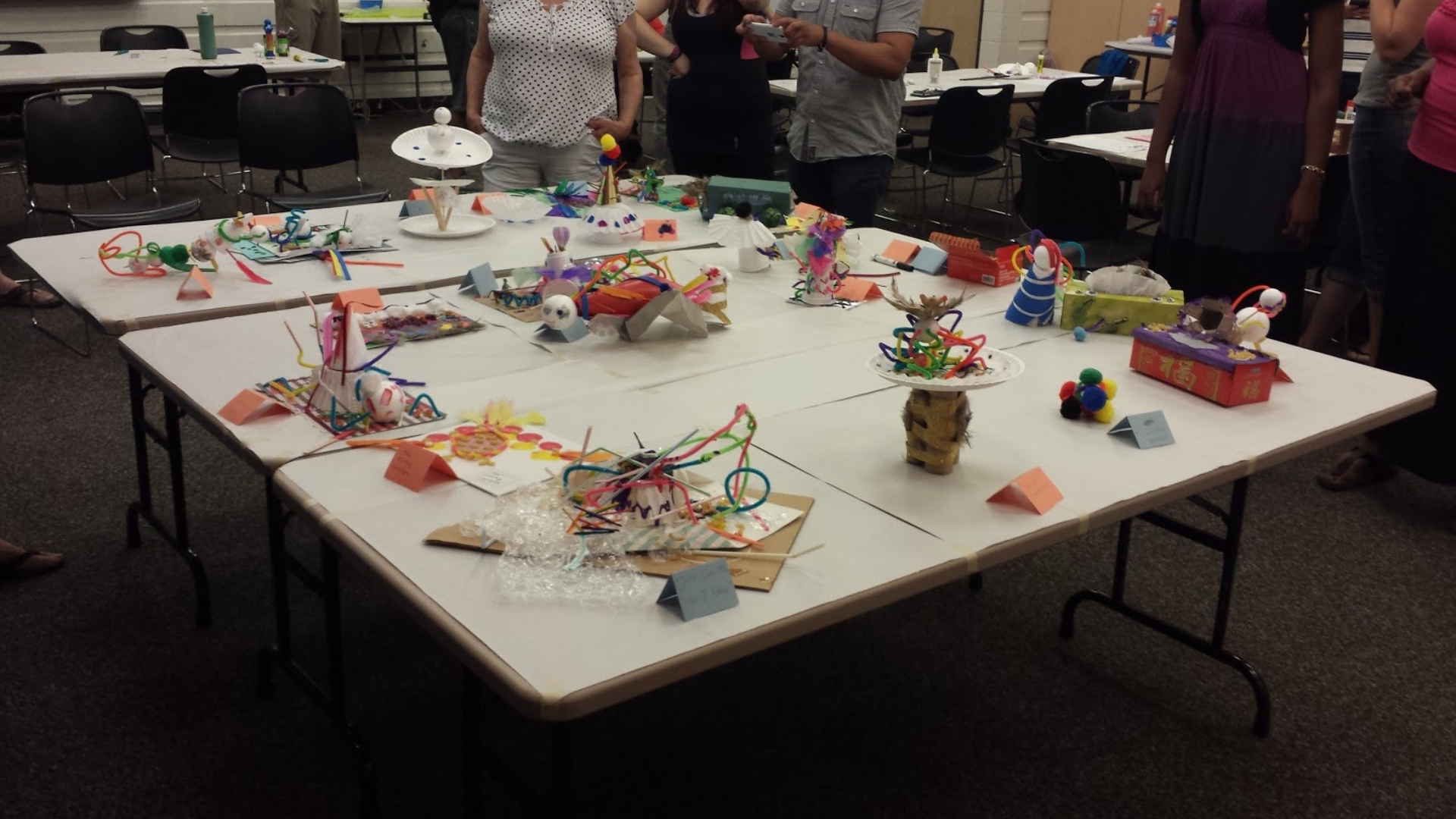
Bad Art Night: Permission to participate
Bad Art Night has become a popular format in public libraries and community spaces. Participants are invited to make deliberately terrible art, often with simple craft materials, then share or vote on the worst piece of the night.
The format works because it removes intimidation. People who might feel excluded from art-making can participate because the standard has been intentionally lowered.
The bad result becomes the invitation.
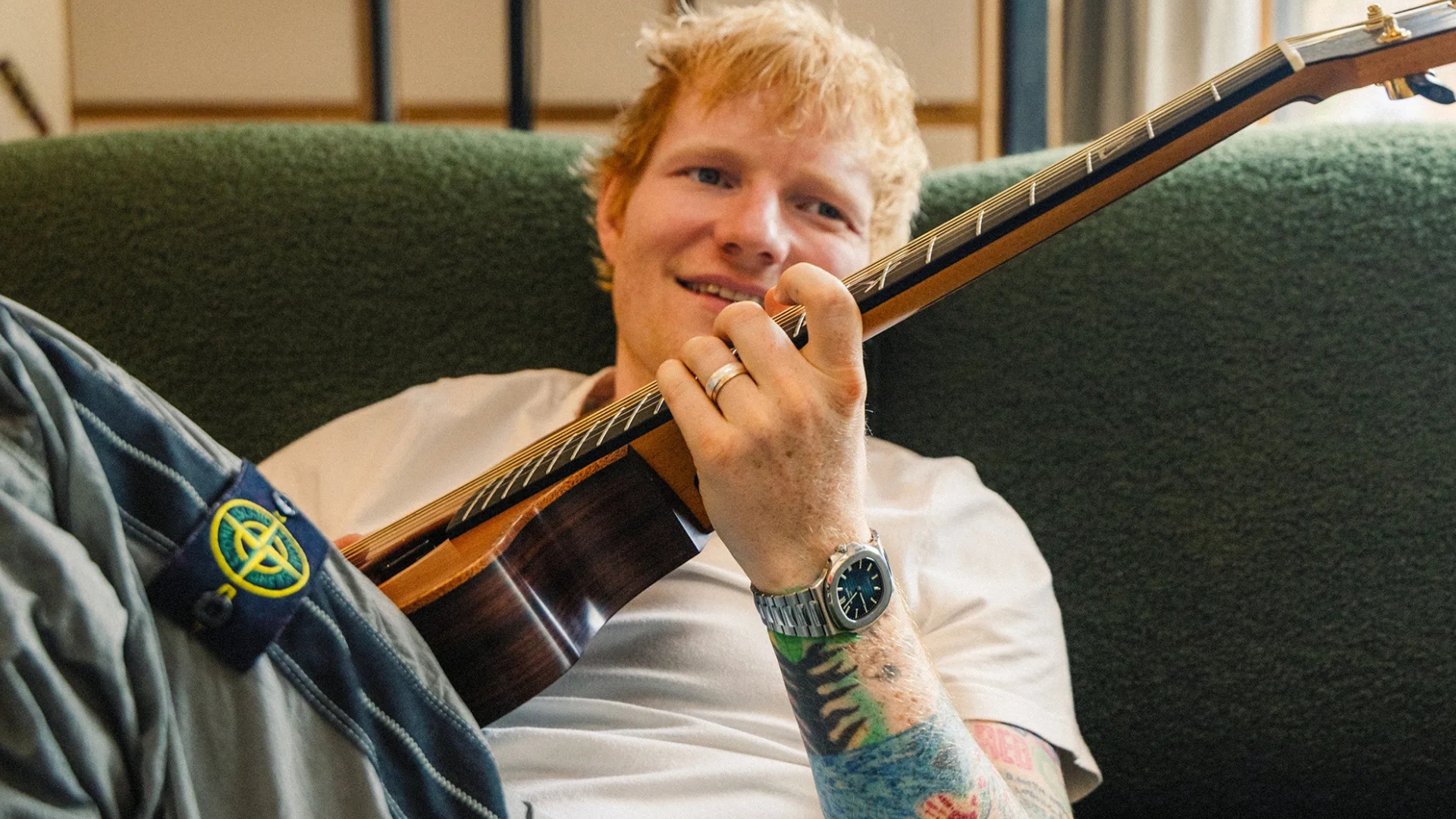
Ed Sheeran: The dirty tap
Ed Sheeran has described songwriting through the image of an old tap. When it first turns on, dirty water comes out. If it keeps running, clearer water eventually follows.
The metaphor is useful because it treats bad songs as part of the flow. Weak attempts are part of the practice. The musician cannot wait for the water to clear before turning on the tap. Quality needs quantity. Quantity needs tolerance for badness.
BAD BEFORE BETTER
Bad work has to be handled carefully.
A culture that accepts anything becomes lazy. A culture that judges everything too early becomes sterile. The useful space sits between the two: low-pressure generation followed by rigorous selection.
For artists, this means allowing the first version to be clumsy enough to exist.
For creative teams, it means designing moments when people can propose weak, strange, obvious, or embarrassing ideas without being socially punished. For cultural organizations, it means recognizing that excellence usually needs a protected zone before evaluation begins.
Terrible first attempts often mark the beginning of the process. The strongest creative cultures know when to suspend judgment, when to produce without pride, and when to return with discipline.
Good work usually arrives later.
First, something bad has to be allowed to exist.
Register for the chance to be invited to apply to The Global Arts MBA