
Creative work often reaches a point where effort no longer produces movement.
A paragraph is rewritten without improvement. A composition keeps returning to the same solution. A visual problem becomes harder to see the longer we stare at it.
The instinct is usually to keep going. Yet research on sleep and cognition suggests that stepping away for the night can change what happens when we return. During sleep, the brain consolidates recent information, reorganizes memories, and alters the relationships between ideas. For creative work, this can make previously hidden connections easier to see.
The familiar advice to “sleep on it” turns out to have a neurological basis.
WHAT HAPPENS WHILE WE SLEEP
In a landmark 2004 study published in Nature, researchers taught participants a task containing a hidden shortcut. After eight hours, participants who had slept were more than twice as likely to discover the hidden rule as those who had remained awake.
The effect depended on one critical condition: participants had to work on the problem first. Sleep offered no comparable advantage without that initial exposure.
Creative incubation, therefore, begins before bedtime. The mind needs material to reorganize.
Research on REM sleep adds another layer. A 2009 study found that REM enhanced people’s ability to integrate information that had previously been only weakly associated, a capacity closely related to creative thinking.
More recent research has begun to show what that restructuring might look like. A 2026 study found that REM sleep weakened strong associations that were leading people away from solutions while bringing more distant concepts together.
Sleep did not automatically solve the problems. It changed how the problems were mentally represented.
That distinction matters for creators. Sometimes the missing idea requires a different configuration of what is already there.

John Cleese
Has described repeatedly encountering the same pattern while writing comedy. He would spend an evening struggling to find an ending for a sketch, eventually abandon the problem, and return the next morning. On several occasions, he says, the solution became clear within roughly 90 seconds.
The experience became central to his thinking about creativity. The problem had received enough attention to enter the mind deeply. Sleep gave it time to move beyond the pathways Cleese had exhausted while sitting at the desk.
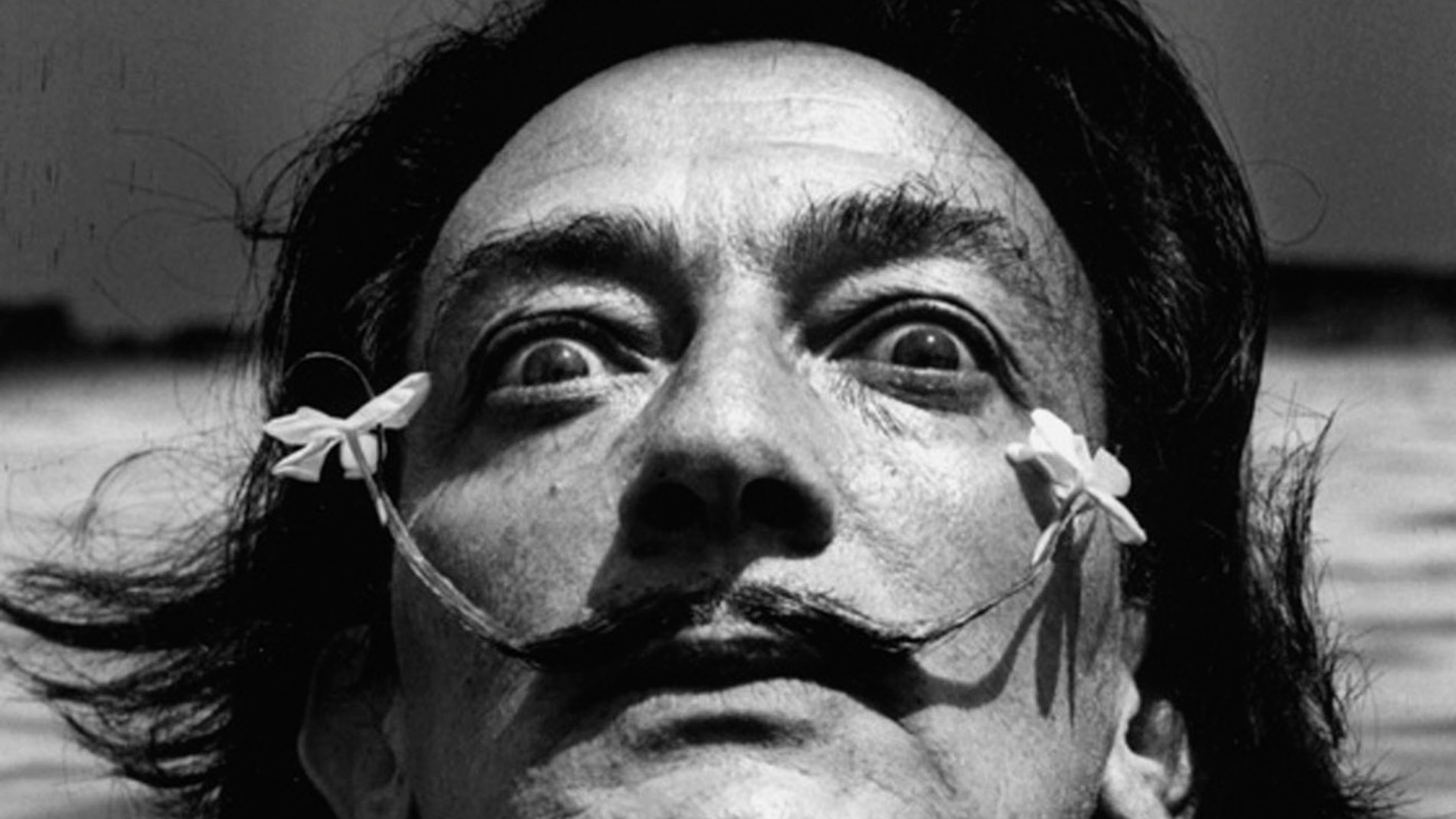
Salvador Dalí
Developed a deliberate ritual for reaching the threshold between waking and sleep.
Sitting in a chair, he would hold a heavy key above a plate and allow himself to drift off. As his muscles relaxed, the key would fall, waking him before he entered deeper sleep. Dalí used the images and associations from that fleeting state as creative material.
Decades later, researchers tested a remarkably similar phenomenon. In a 2021 experiment, participants who spent at least 15 seconds in the earliest N1 stage of sleep were almost three times as likely to discover a hidden shortcut as those who remained awake: 83 percent compared with 30 percent. The advantage disappeared once they entered deeper sleep.
Dalí had intuitively built a creative practice around a state researchers now describe as a “sweet spot” for insight.
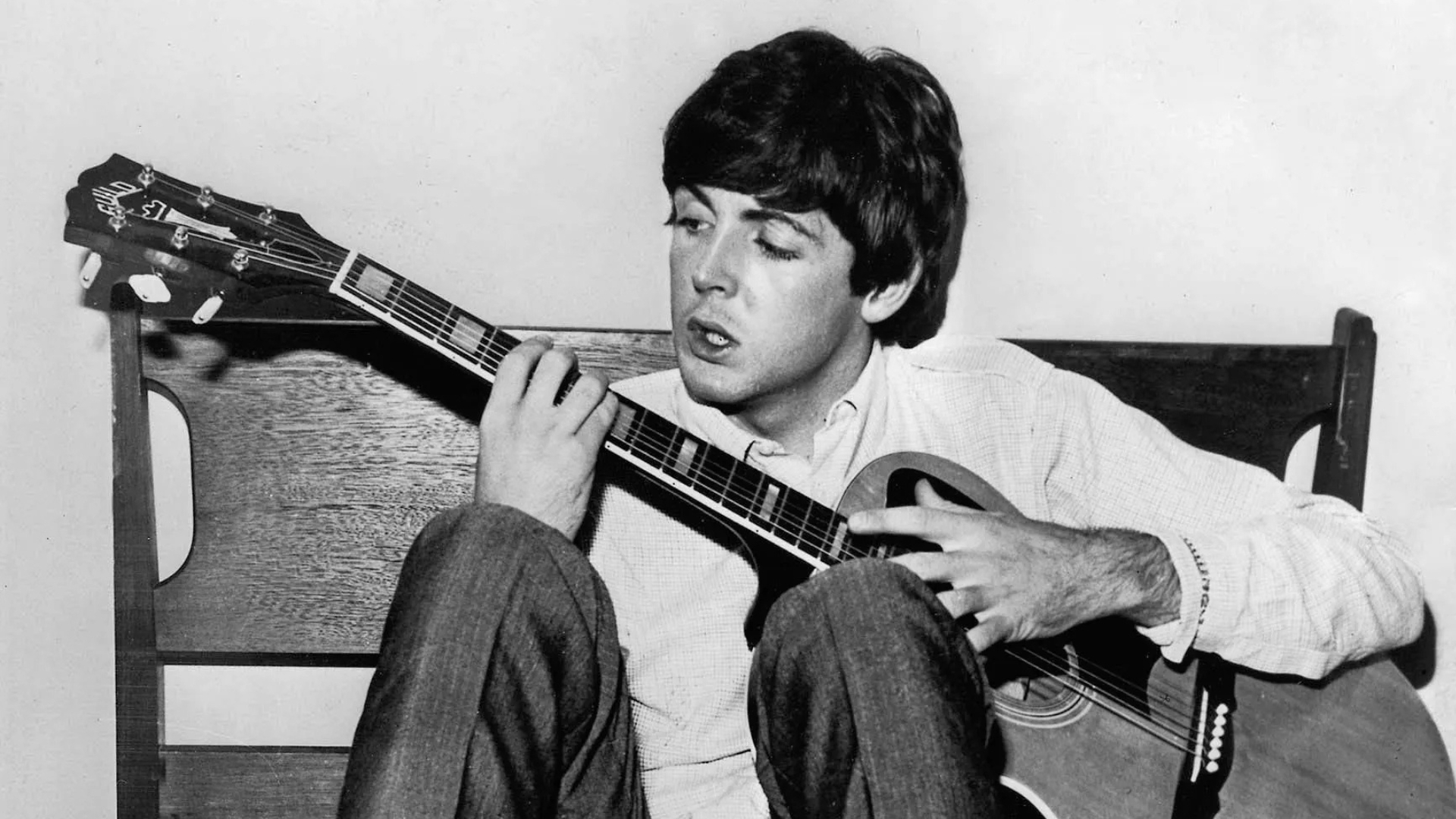
Paul McCartney
Woke one morning with a melody playing clearly in his mind. He went directly to the piano beside his bed and worked it out before he could forget it. The tune seemed so complete that he initially assumed he must have heard it somewhere else. He spent time asking other musicians whether they recognized it before accepting that it was his own.
The melody eventually became Yesterday, one of the Beatles’ best-known songs.
McCartney’s experience sits at the more mysterious end of the spectrum. Instead of returning to a conscious problem, he woke up with new creative material already assembled.
KNOWING WHEN TO STOP
Creative culture tends to reward visible effort: the hours spent writing, rehearsing, editing, sketching, composing, or trying again.
Sleep introduces another part of the process.
The brain needs the struggle first. It needs the material, the failed attempts, the references, the questions, the half-formed connections. Once those exist, continuing to push is not always the only useful response.
There may be moments when the work has already been sufficiently loaded into the mind.
Knowing when to stop can therefore become part of creative judgment. An unfinished problem carried into sleep may return with different associations, a loosened constraint, an unexpected connection, or simply enough distance to see what was there all along.
Sometimes another hour helps. Sometimes morning does.
Register for the chance to be invited to apply to The Global Arts MBA