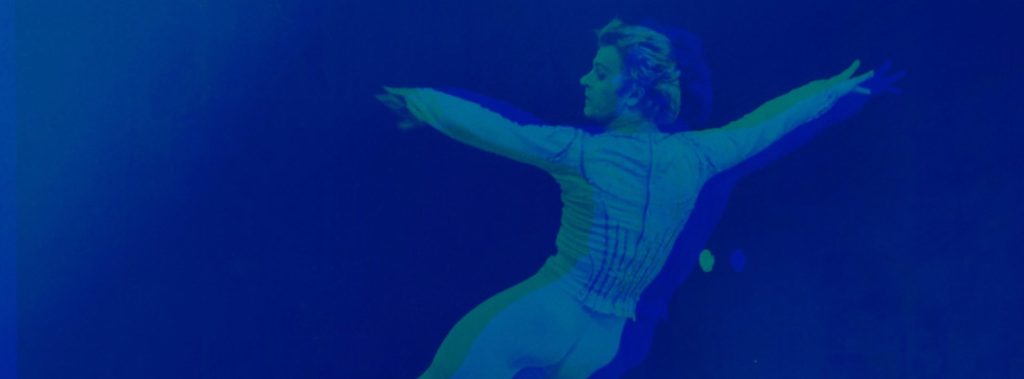
Success gives creators something extremely valuable: evidence.
A particular image connects. A song finds an audience. A character becomes recognizable. A way of writing begins to feel unmistakably yours. The natural response is to go deeper.
That is often exactly what good creative work requires. A distinctive voice rarely appears through constant reinvention. It develops through repetition, refinement, and sustained attention.
But success also creates a subtle risk.
Once something works, it becomes easier to repeat. Over time, a creative signature can harden into a formula.
THE EXPLORE-EXPLOIT CYCLE
Research into creative careers suggests that repetition itself is not the problem.
A 2021 Nature Communications study examined the careers of visual artists, film directors, and scientists, looking for patterns around their most successful periods.
The researchers found a striking sequence. Before a “hot streak,” creators tended to explore broadly, moving across different styles, ideas, or topics. Once the streak began, their work became significantly more focused.
The strongest periods were associated with exploration followed by exploitation: searching widely, discovering something promising, then going deep. Neither constant exploration nor constant exploitation produced the same pattern.
This helps explain why finding something that works matters. Focus allows creators to build expertise, develop a language, and take an idea further than experimentation alone can.
The challenge comes later.
A productive period can gradually become a boundary. The method remains familiar. The audience recognizes it. The work still functions.
And curiosity starts moving somewhere else.
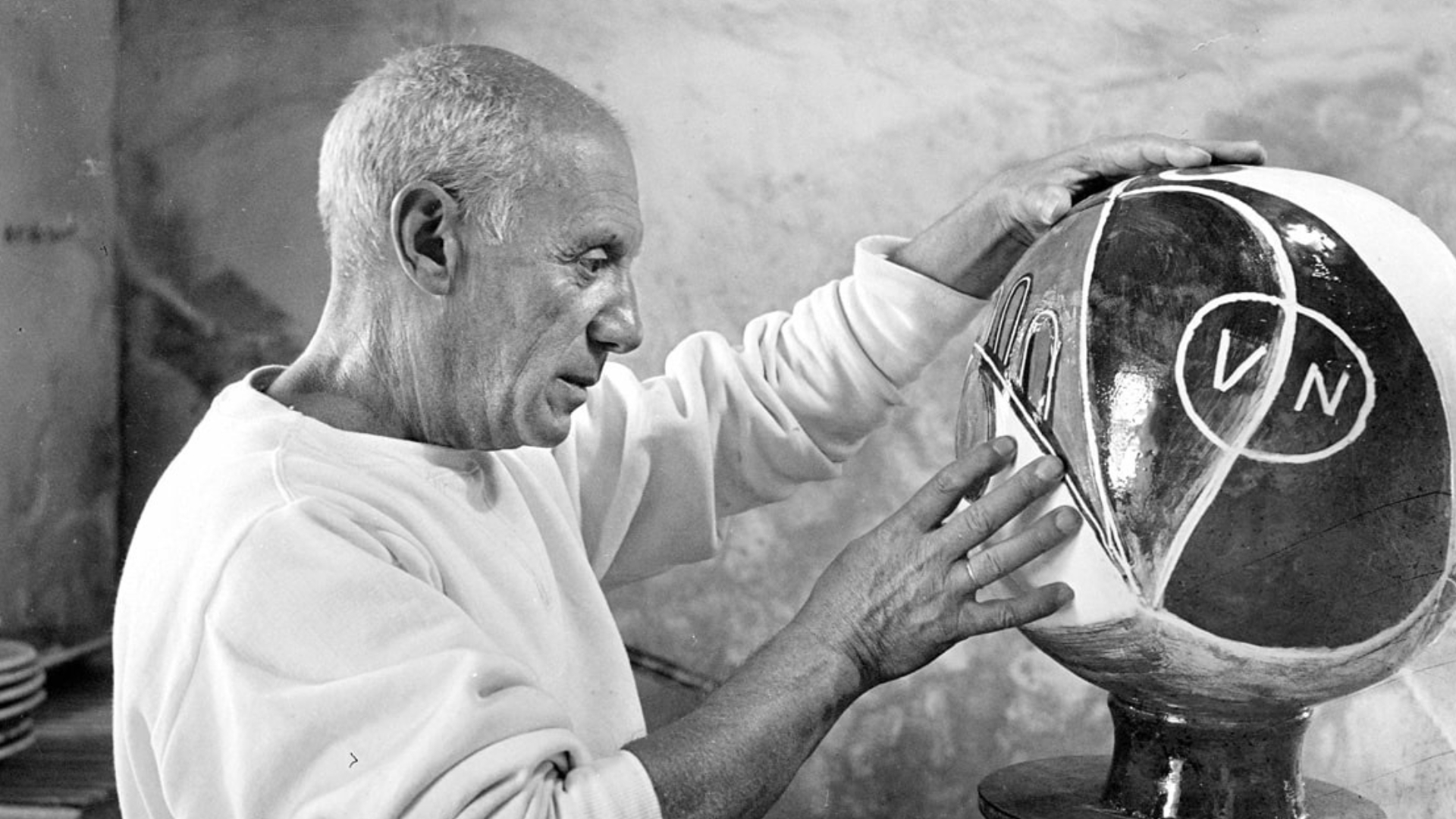
Pablo Picasso
Picasso understood the danger clearly. In a 1956 Vogue interview, he warned: “Success is dangerous. One begins to copy oneself.”
His own career repeatedly moved across styles, materials, and forms, from the Blue and Rose periods through Cubism, Neoclassicism, Surrealist influences, sculpture, ceramics, and printmaking. Museums describe his work as a continuous process of transformation and experimentation.
For Picasso, recognition never required permanent allegiance to one visual language.
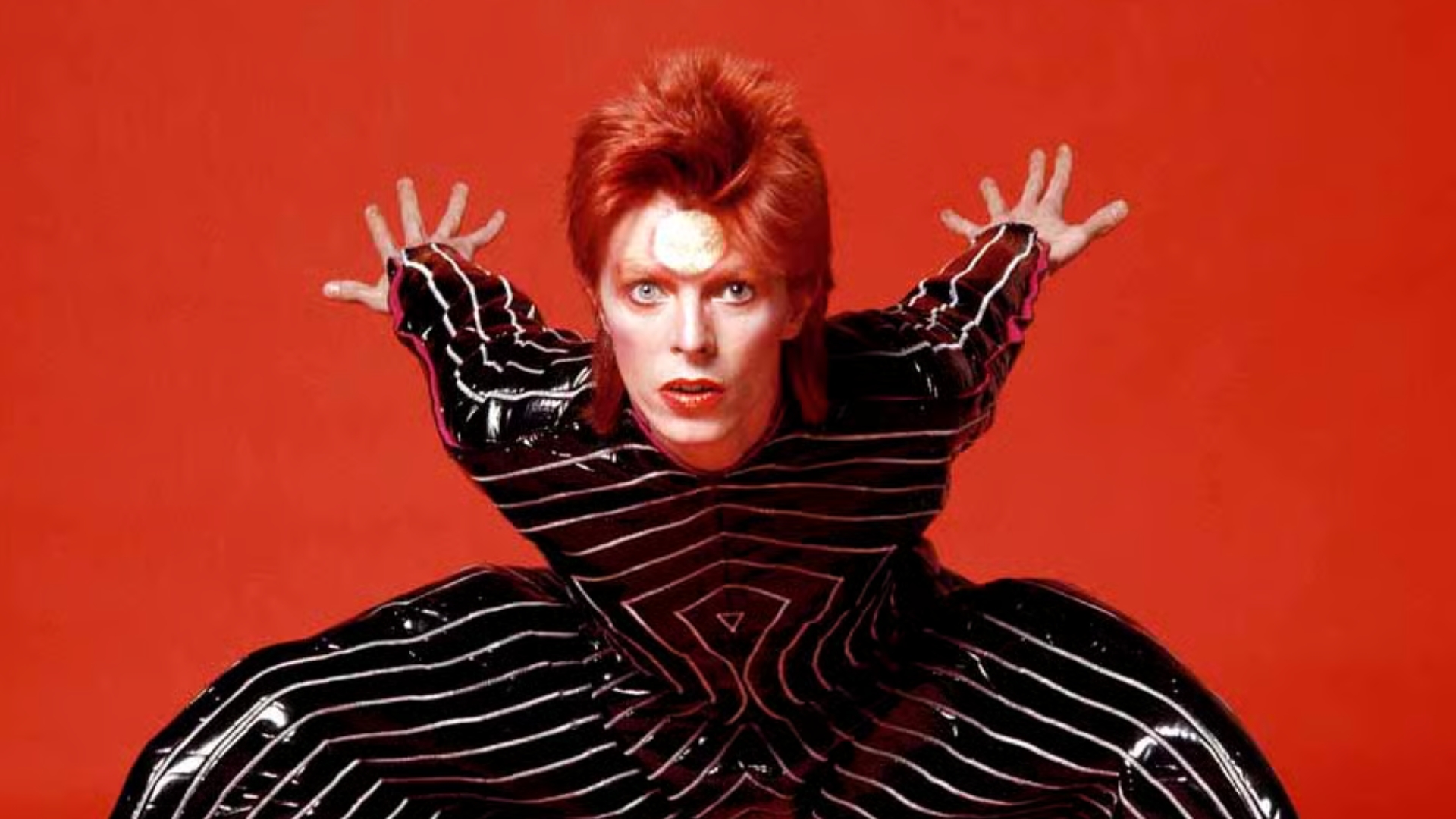
David Bowie
By 1973, Ziggy Stardust had transformed David Bowie into an international star. Then Bowie ended him.
At the final Ziggy concert at London’s Hammersmith Odeon, he unexpectedly announced the last performance of the character and the Spiders from Mars. The decision surprised fans and even members of his band. Bowie was back on tour within a year, already moving toward another creative identity.
Ziggy had worked spectacularly well. Bowie chose movement over extending the formula.
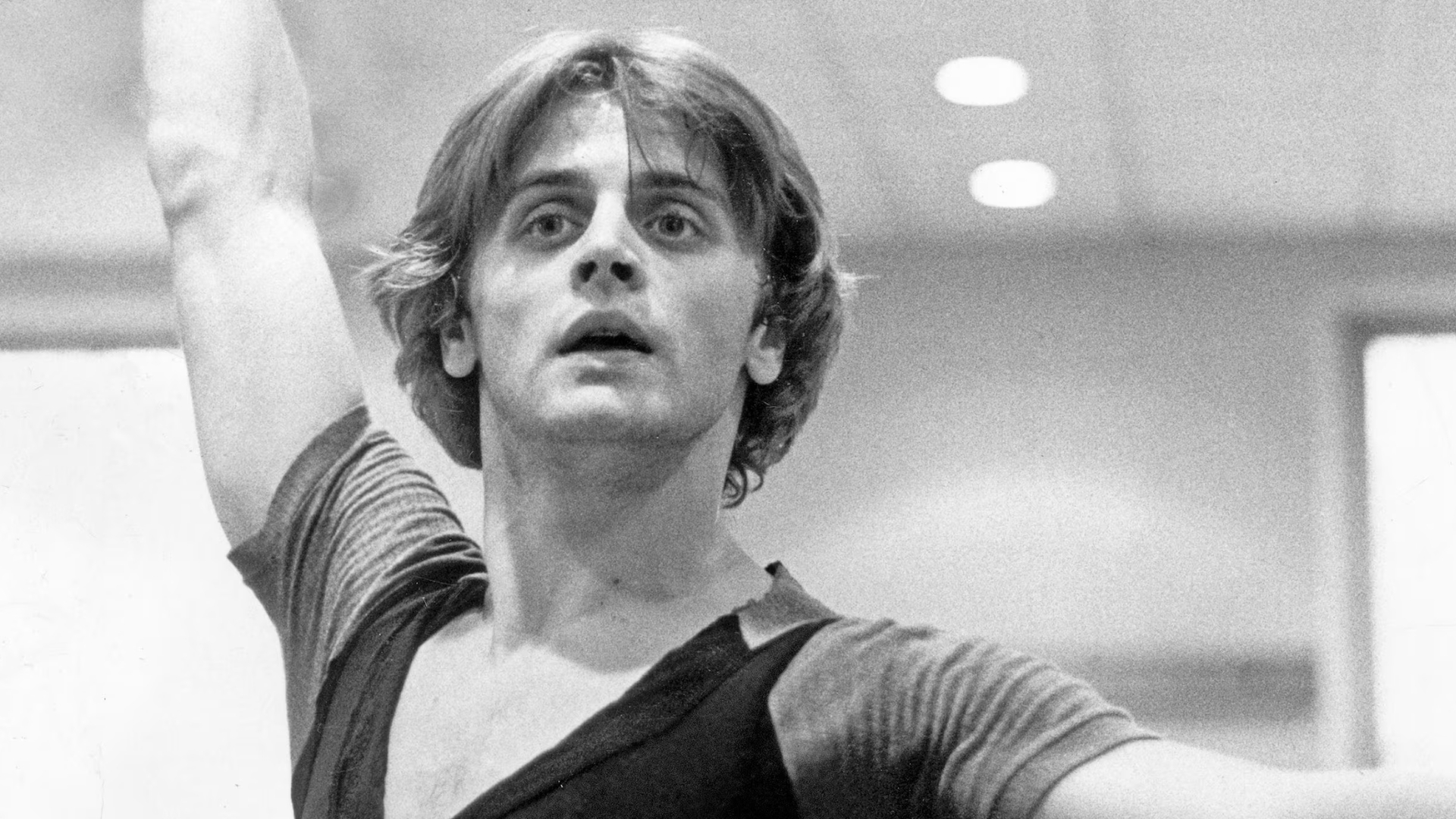
Mikhail Baryshnikov
Baryshnikov became famous for the virtuosity of classical ballet: extraordinary jumps, turns, precision, and control.
By his forties, he was moving in another direction.
Through the White Oak Dance Project, Baryshnikov immersed himself in modern dance and contemporary choreography. When Jerome Robbins created A Suite of Dances for him in the early 1990s, his movement had become more relaxed and understated. The New Yorker described him at the time as primarily interested in exploration.
He had already mastered the language that made him famous. The next creative question required another one.
WHEN TO MOVE
Creative work needs repetition.
Painters return to motifs. Writers circle the same questions. Musicians develop sounds. Choreographers build movement vocabularies. Going deeper is often how a body of work acquires coherence.
The risk arises when repetition is driven primarily by evidence of previous success.
What worked yesterday can become useful information about your creative voice. It can also become a template that quietly narrows what you are willing to try next.
The hardest moment to move may come when there is no obvious reason to move at all.
The work still sells.
The audience still responds.
The formula still works.
That may be precisely when curiosity deserves more attention.
A signature tells people where you have been.
A creative practice still needs somewhere to go.
Register for the chance to be invited to apply to The Global Arts MBA