Travel is often described as a source of inspiration. The phrase is so familiar that it has lost precision.
A new place can disrupt routine, expose unfamiliar patterns, and expand the range of references available to a creative. Yet physical movement alone achieves little. It is possible to cross several countries while noticing only what confirms an existing worldview.
The creative value of travel grows with the depth of participation. Learning from a practitioner, following an ordinary process, joining a ritual, studying how people solve problems, or remaining long enough for first impressions to become unreliable can alter how a person sees.
This distinction matters. Places are easily reduced to scenery, color palettes, and attractive references. Active engagement asks more of the traveler. It requires attention, humility, and a willingness to let the encounter change the work.
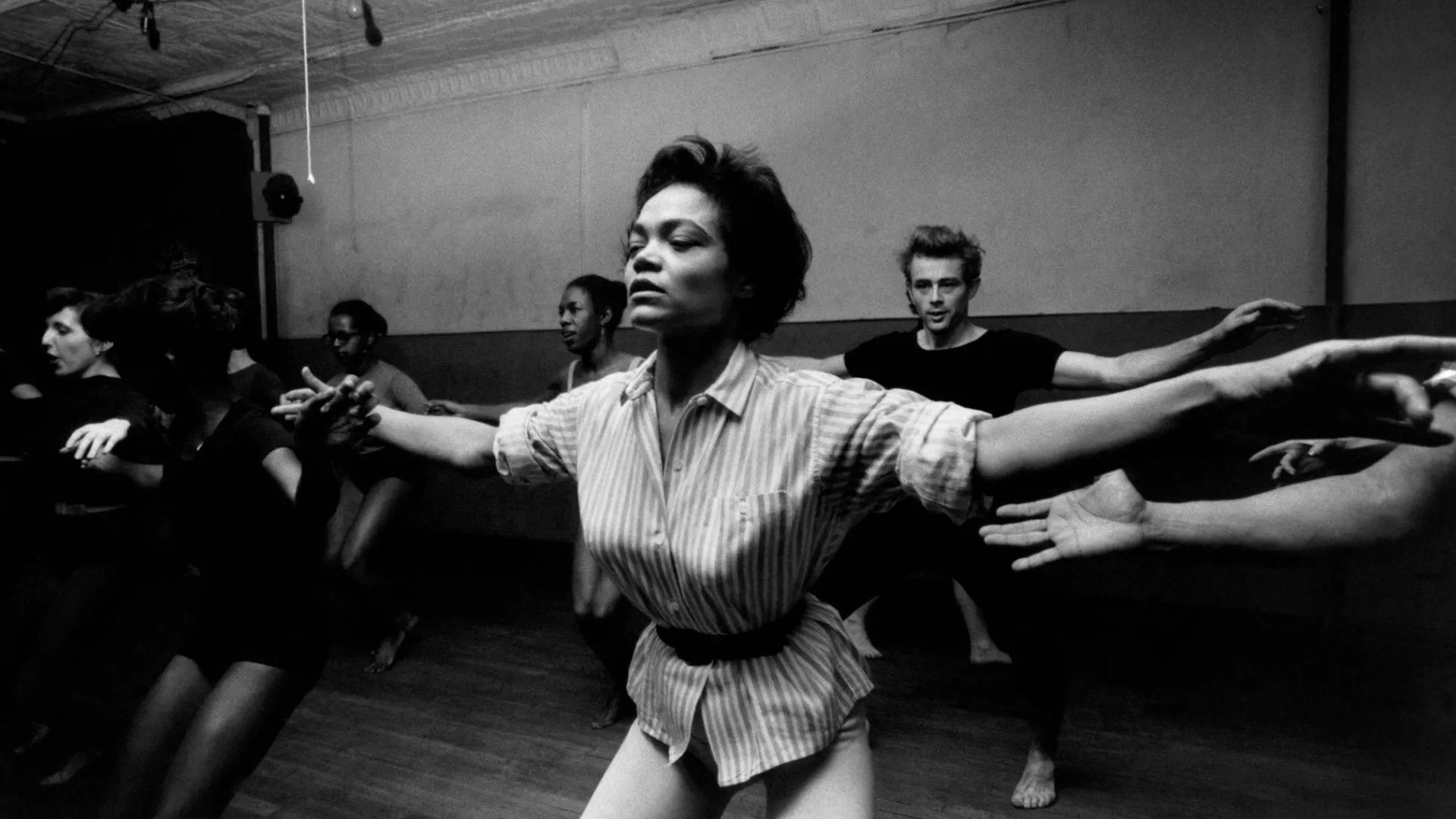
KATHERINE DUNHAM: Travel as embodied learning
In 1936, dancer and anthropologist Katherine Dunham conducted ethnographic fieldwork across the Caribbean. She observed and filmed dance within its social and ceremonial settings, studied with local practitioners, and examined the relationship between movement and community life.
The research became inseparable from her artistic practice. It influenced her choreography, teaching, scholarship, and the development of the Dunham Technique, which brought African and Caribbean movement vocabularies into American modern dance.
Dunham traveled with a question and entered the practices she wanted to understand. The resulting knowledge lived in her body, then moved into a new artistic language.
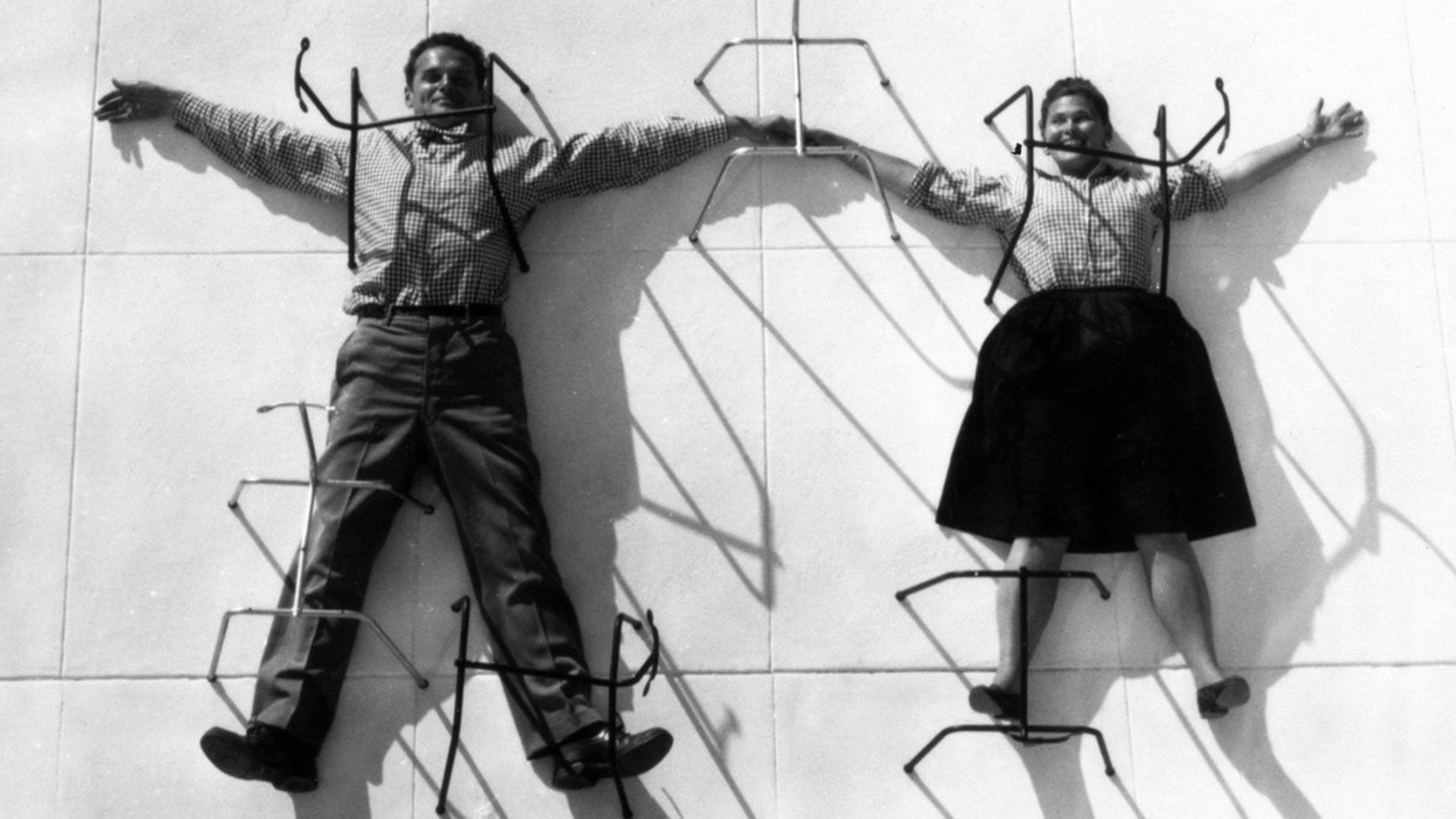
CHARLES AND RAY EAMES IN INDIA: Travel as disciplined attention
In 1958, Charles and Ray Eames spent three months traveling through India at the invitation of its government. They visited centers of design, handicrafts, and manufacturing while speaking with people working in industry, architecture, design, and education.
Their attention settled on the lota, an everyday vessel refined across generations. Its form condensed decisions about material, proportion, transport, cleaning, manufacture, and use. The object became central to The India Report, which helped shape the thinking behind India’s National Institute of Design.
The Eameses found creative intelligence in something ordinary. Their contribution came from observing carefully enough to recognize the accumulated knowledge within it.
The example also carries a responsibility. Creative travelers encounter knowledge rooted in people, places, and traditions. Attention should lead to attribution and respect, rather than treating another culture as an unclaimed library of references.
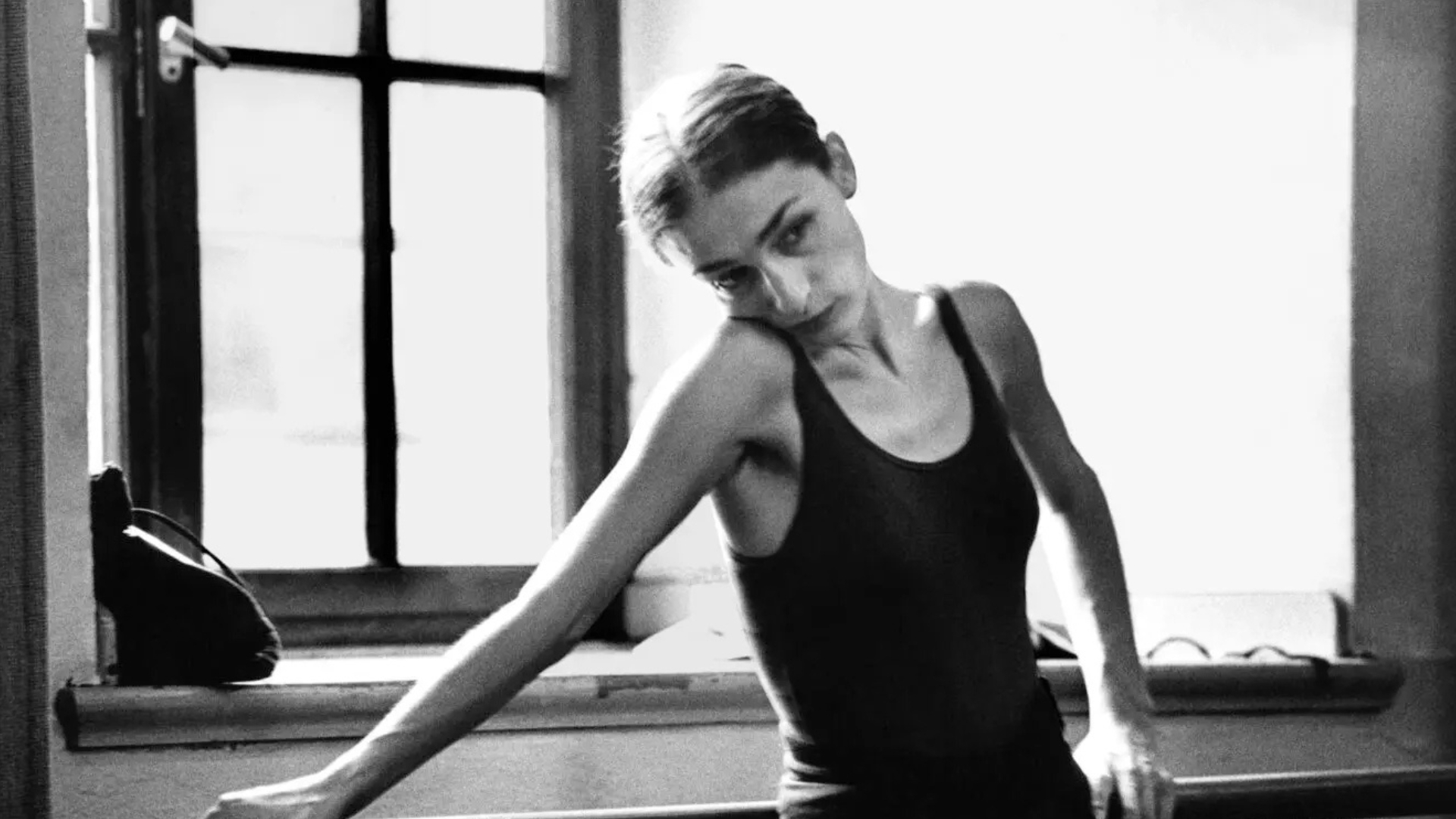
PINA BAUSCH’S WORLD CITIES: Travel as creative provocation
For the works later grouped into the World Cities series, Pina Bausch and Tanztheater Wuppertal undertook extended encounters with places such as Rome, Palermo, Hong Kong, Budapest, Istanbul, and Santiago.
The company absorbed local music, customs, gestures, spaces, and patterns of everyday behavior. It then returned to Wuppertal to develop productions shaped by those experiences.
Each production absorbed the encounter without becoming a literal portrait of its city. The place introduced unfamiliar material into the company’s established creative process.
Bausch’s approach offers another model for creative travel. A new environment can generate questions, unsettle habits, and create friction with an artist’s existing language. The evidence appears in how the process changes.
BUILDING BETTER INPUTS
These examples show three forms of active engagement. Dunham participated and acquired embodied knowledge. The Eameses observed and developed a design argument. Bausch immersed her company in environments that disrupted its familiar references.
For contemporary creatives, the practical implication is simple. Travel becomes more generative when it has a method.
Choose a question before arriving. Learn from someone whose knowledge is rooted in the place. Observe ordinary systems alongside cultural landmarks. Stay with what feels confusing. Document connections rather than collecting images. Notice which assumptions no longer hold.
Original work depends partly on the quality and diversity of the material entering a creative practice. Travel can expand those inputs, provided the traveler becomes available to the experience.
The most valuable thing brought home may be a changed way of seeing.
Cover Photo: Eleanor Cripps
Register for the chance to be invited to apply to The Global Arts MBA