
Cultural organizations ask audiences to participate. They invite people to stay after a performance, speak during a discussion, enter a gallery, explore an archive, gather in a lobby, or feel that a place belongs to them.
But participation rarely begins with an invitation. It begins with what the space already communicates. A closed door says something. A high desk says something. A silent lobby says something. Chairs facing only one direction say something. A website with buried information says something. A gallery with nowhere to sit says something.
The room already speaks
Affordance theory gives cultural leaders a useful language for this. The concept comes from ecological psychology, especially the work of James J. Gibson. An affordance is a possibility for action offered by the environment. A surface may afford walking. A handle may afford pulling. A chair may afford sitting. Later, designer Don Norman brought the concept to design, emphasizing perceived affordances: what people understand an object, interface, or space to allow them to do.
For the arts, this matters because audiences do not only respond to programming. They respond to cues.
A museum may say it wants dialogue, but if the space signals silence, distance, and surveillance, visitors will behave accordingly. A theatre may say it wants community, but if the lobby affords only waiting and leaving, conversation will remain accidental. A cultural center may say it is open, but if the entrance feels guarded, people may never cross the threshold. Participation is not only programmed. It is designed into the room.
MODELS IN PRACTICE
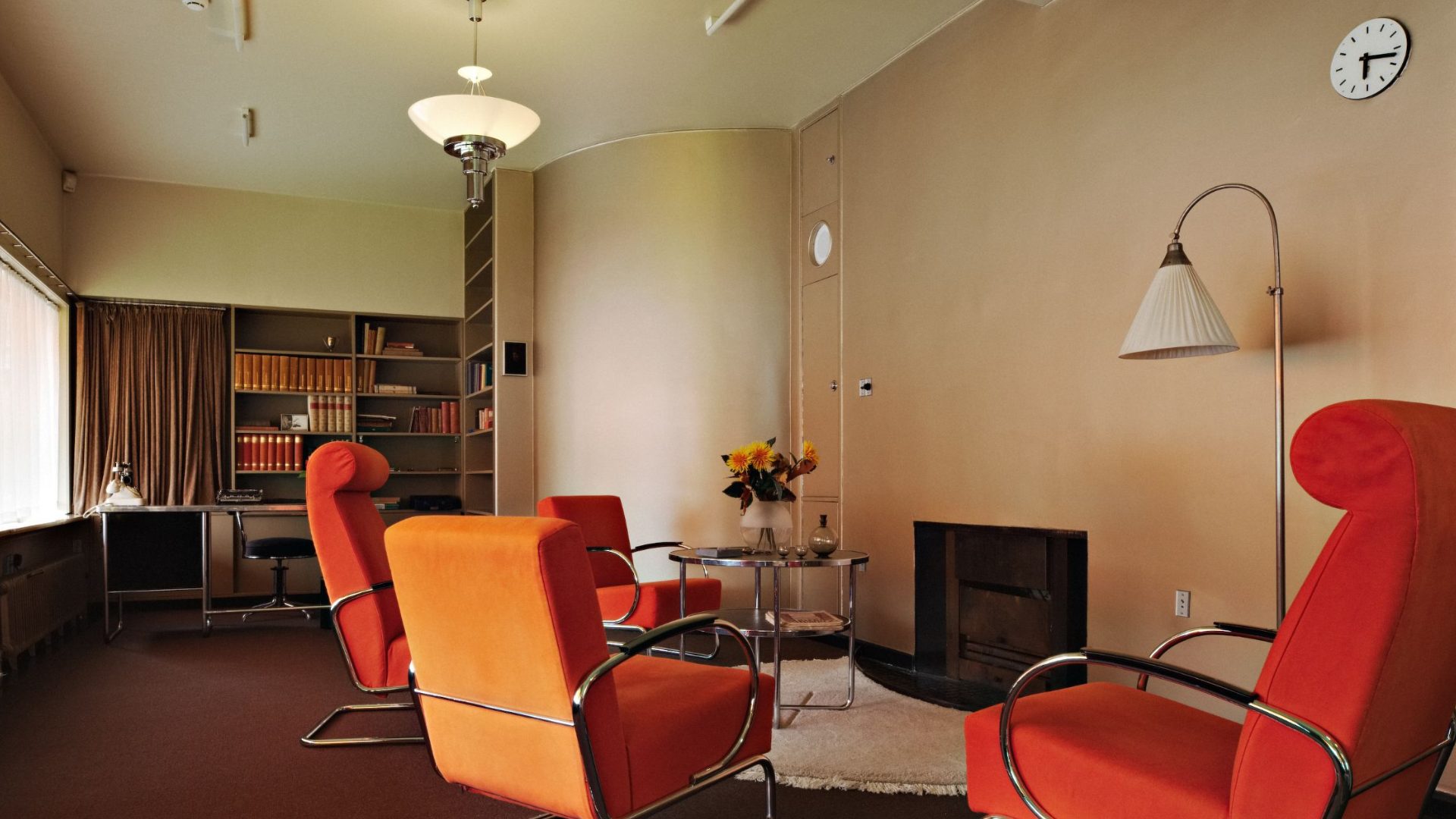
Sonneveld House, Rotterdam
Now operated as a museum house by Nieuwe Instituut, it is one of the best-preserved examples of Dutch Functionalist architecture. Built in the early 1930s by Brinkman and
Van der Vlugt designed the house around a modern way of living.
Its open layout, integrated furniture, light, ventilation, and domestic systems do not simply decorate daily life. They organize it. The house shows how architecture can afford efficiency, movement, hygiene, and a different relationship between people and routine.
For cultural organizations, the lesson is direct. Space is never neutral. It trains behavior.
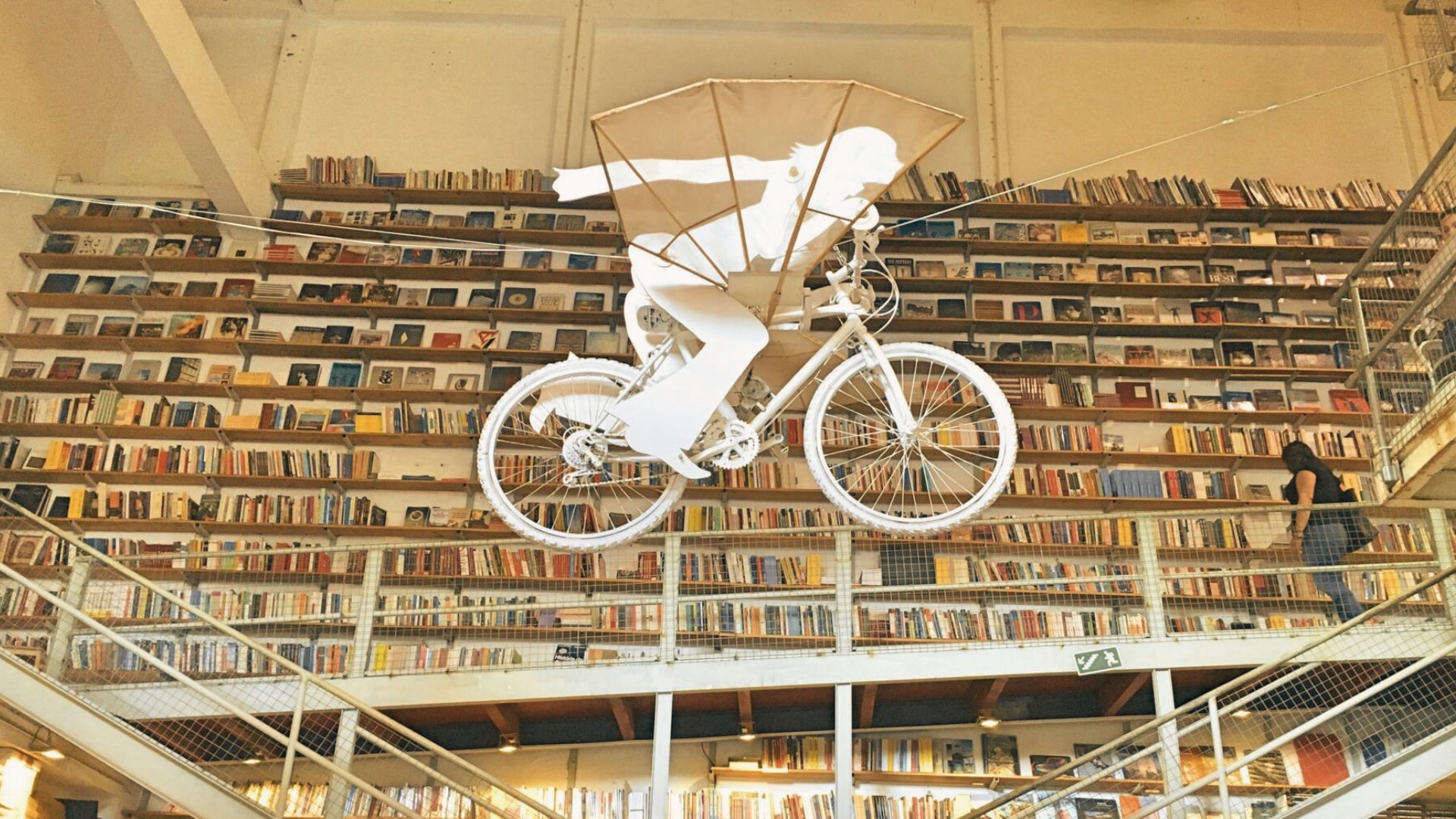
Ler Devagar, Lisbon
Located in Lisbon’s LX Factory, occupies a converted printing factory. It is a bookstore, but it behaves like a cultural landscape.
Tall shelves, preserved printing machinery, suspended objects, steel walkways, tables, chairs, exhibitions, and places to pause invite visitors to wander rather than transact.
The name means “read slowly,” and the space makes slowness visible.
It does not simply sell books. It affords lingering, browsing, looking upward, sitting down, and drifting between literature, art, memory, and conversation.
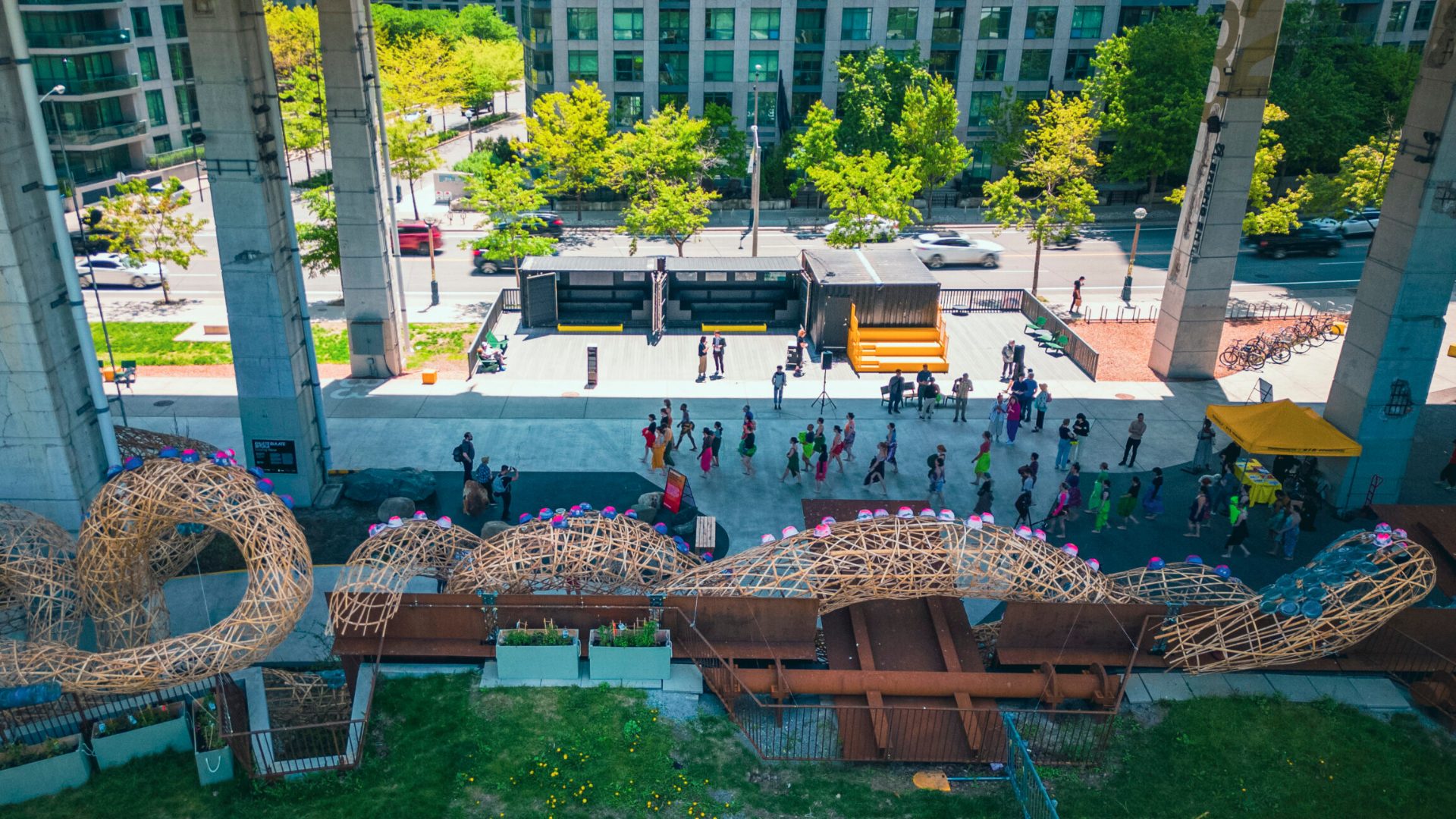
The Bentway, Toronto
The Bentway transforms the space beneath Toronto’s Gardiner Expressway into a public place for art, recreation, workshops, performances, and gatherings.
Its value comes from more than programming. The underpass itself becomes legible as civic space. Columns, open edges, paths, lighting, seating, installations, and seasonal activities signal that this is not leftover infrastructure. It is a place where people can move, pause, skate, watch, meet, and return.
The space does not hide the highway. It turns it into an invitation.
DESIGNED PERMISSION
Affordance theory helps explain why participation cannot be solved by messaging alone.
If a cultural organization wants people to stay, the space must afford staying. If it wants people to speak, the room must reduce the fear of speaking. If it wants people to gather, the architecture must offer places where gathering feels natural rather than obstructive.
This applies beyond buildings. A festival map, a ticketing flow, a classroom, a website, an archive, or an Instagram page can all afford or discourage action.
The question is not only what an organization says it values.
The question is what its spaces make possible.
Culture does not happen only on stages, walls, screens, or pages. It happens in the conditions that allow people to enter, pause, speak, touch, listen, question, return, and belong.
The room already speaks.
The work of cultural leadership is to ensure it says the right thing.
Register for the chance to be invited to apply to The Global Arts MBA