Creative work is often judged by what people can see.
A film. A song. A performance. A festival. A building. A body of work. A creative business. But support rarely comes from the work alone.
People also support the story they believe the work belongs to.
This is the useful insight behind narrative economics, a field associated with economist Robert Shiller. Narrative economics does not simply mean that stories matter. It means that stories influence economic behavior by shaping what people believe about value, risk, momentum, and the future. Shiller describes the field as the study of how popular narratives spread and change over time, influencing economic decisions.
For culture, this is especially relevant.
People buy tickets, follow artists, invest in studios, fund festivals, collect work, subscribe to platforms, or visit cities because a narrative helps them believe something is worth their attention.
For creators, this means a practice needs more than output. It needs a frame that people can understand and repeat.
A strong narrative does not explain the work after the fact. It helps people believe the work is worth following.
MODELS IN PRACTICE
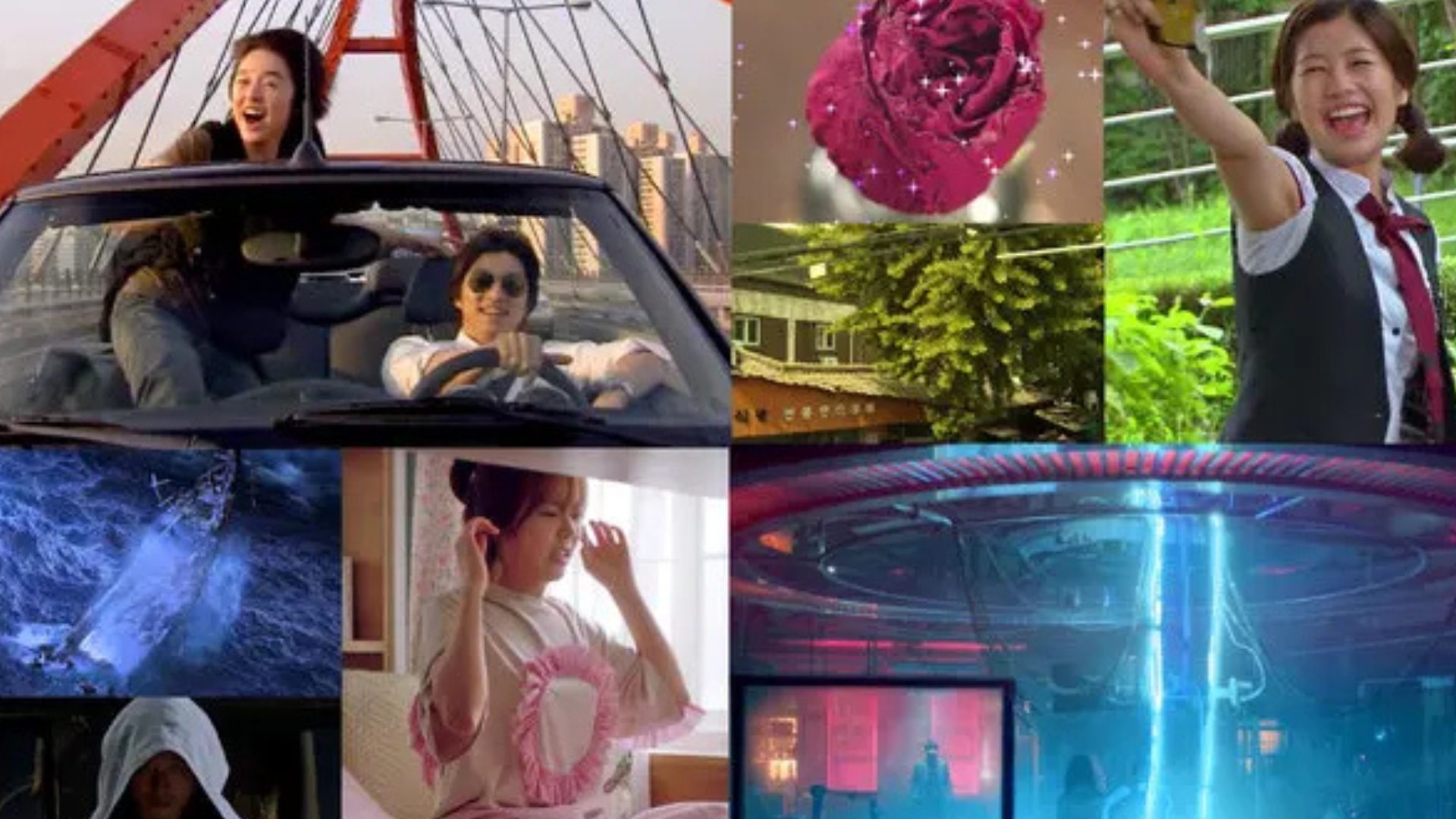
South Korean TV and streaming
South Korea’s rise in global television and streaming shows how a creative industry can become a future-facing story.
For years, Korean dramas, thrillers, reality formats, and genre hybrids built audiences across Asia and beyond. Streaming platforms then helped turn that momentum into a global narrative: Korean content was no longer peripheral. It became a source of original formats, emotional precision, production quality, and worldwide fandom.
That story moved money.
In 2023, Netflix announced it would invest $2.5 billion in South Korean series, films, and unscripted shows over four years, doubling its investment in the country since 2016.
The investment was not only a response to past success. It was a bet on future value.
South Korea shows how a creative ecosystem becomes more powerful when the story around it changes. The work matters. But the narrative explains why more work should follow.
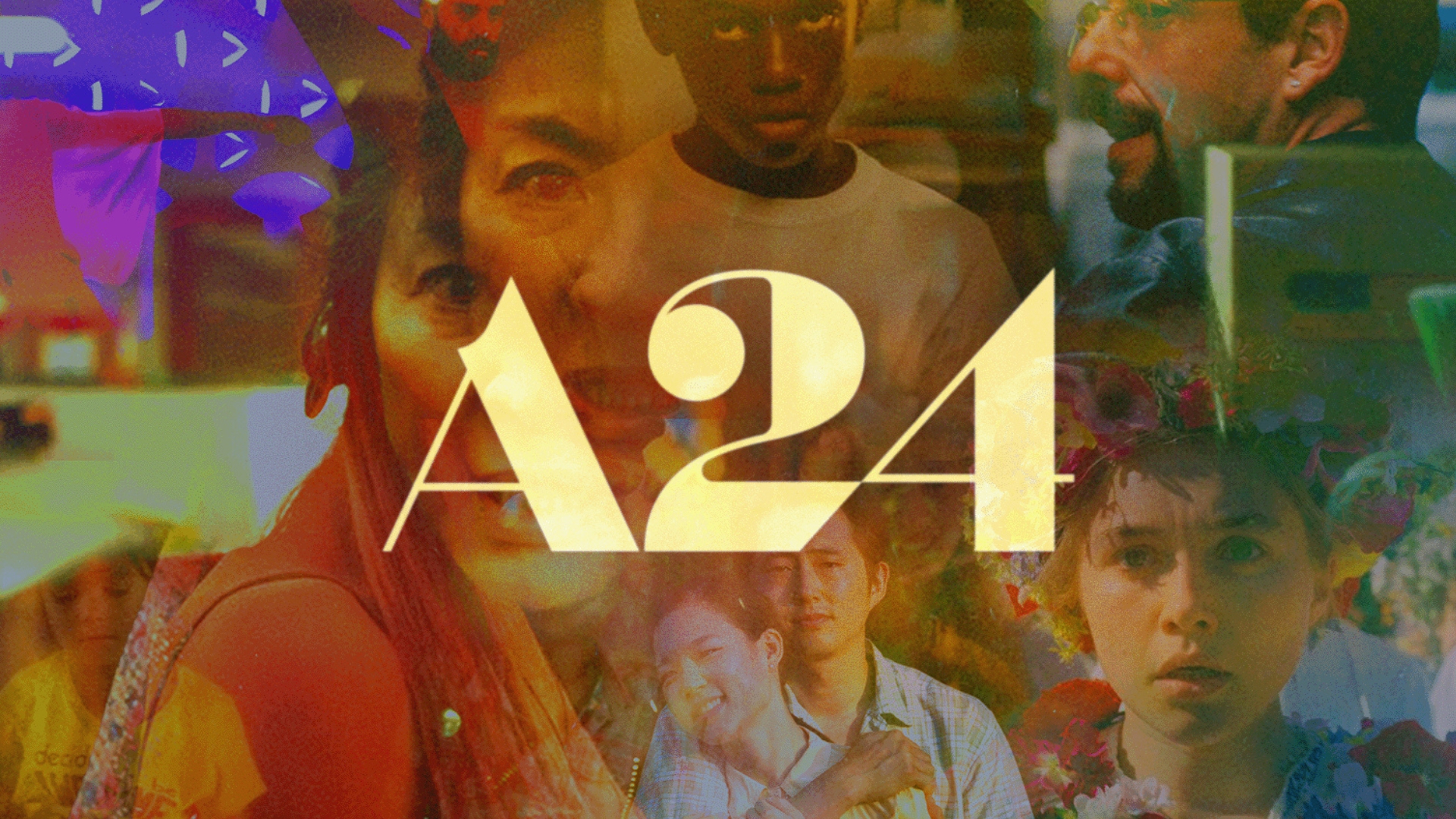
A24
A24 offers a more creator-facing version of the same principle.
The studio has built a reputation around a specific kind of cultural signal: independent, strange, stylish, auteur-driven, emotionally sharp, and slightly unpredictable. For many viewers, the A24 name has become part of the decision to watch.
That is the narrative premium.
People do not only respond to individual films. They respond to the larger story of taste around the studio. A24 has made itself legible as a home for work that feels distinctive, contemporary, and culturally alert.
That story has financial consequences. In 2024, the company was valued at $3.5 billion following new investment, according to Forbes and the Financial Times.
For independent creators, the lesson is not to imitate A24’s aesthetic. The lesson is that a recognizable narrative can increase trust.
When people understand the world a creator is building, each new work starts with more context than the last.

Rotterdam
Rotterdam shows how narrative can reshape the value of place.
After the bombing of 14 May 1940 destroyed the heart of the city, Rotterdam became closely associated with reconstruction. The city is often described through that lens: not as a place defined by preservation, but by rebuilding, experimentation, architecture, and reinvention.
That narrative still shapes its cultural identity.
Depot Boijmans Van Beuningen fits this story precisely. The museum describes the Depot as the first art storage facility in the world to provide public access to a museum’s complete collection, with visitors surrounded by 155,000 artworks and able to see conservation and restoration activities behind the scenes.
The building does more than display art. It makes Rotterdam’s story visible: transparency, experimentation, public access, and architectural ambition.
The city’s cultural value is not built only through museums. It is built through a narrative of reinvention that makes each new cultural project easier to understand.
MAKING THE WORK FOLLOWABLE
The narrative premium appears when people can understand the larger story behind a creative effort.
For an artist, that story may connect a body of work across time. For a filmmaker, it may explain a point of view. For a festival, it may signal what kind of cultural future it is building. For a city, it may transform scattered projects into a coherent identity.
The story does not replace the work. Weak work will not become strong because the framing is polished.
But strong work can remain under-supported when people cannot understand where it is going.
This matters for institutions and creators alike. People need something they can carry with them: a sentence, an image, a pattern, a belief about why this work matters now and why it may matter more tomorrow.
Cultural value grows when people can repeat the story.
That is what makes the work travel.
Register for the chance to be invited to apply to The Global Arts MBA