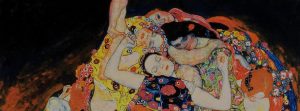
Jim Henson’s legacy is usually described through characters: Kermit, Miss Piggy, Big Bird, Cookie Monster, Fozzie Bear, and Gonzo. But the deeper lesson is not the puppets themselves. It is the creative operating system behind them.
Henson treated play as a serious method. His work combined technical craft, absurd humor, emotional intelligence, ensemble collaboration, and constant experimentation. The Jim Henson Company describes him as a television pioneer and innovator in puppetry, technology, and visual arts, which is important because his contributions went beyond simply inventing memorable characters. He expanded what playful forms could do on screen.
For cultural organizations and creators, this distinction matters. Play is often treated as a warm-up exercise, a children’s activity, or a soft alternative to strategic thinking. In practice, play can be a rigorous creative tool. It lowers fear, makes ideas easier to test, allows teams to think beyond obvious categories, and helps serious messages travel without becoming heavy-handed.
The Muppet Method is not about being silly for its own sake. It is about using play as a disciplined way to reach ideas that conventional processes often miss.
MODELS IN PRACTICE
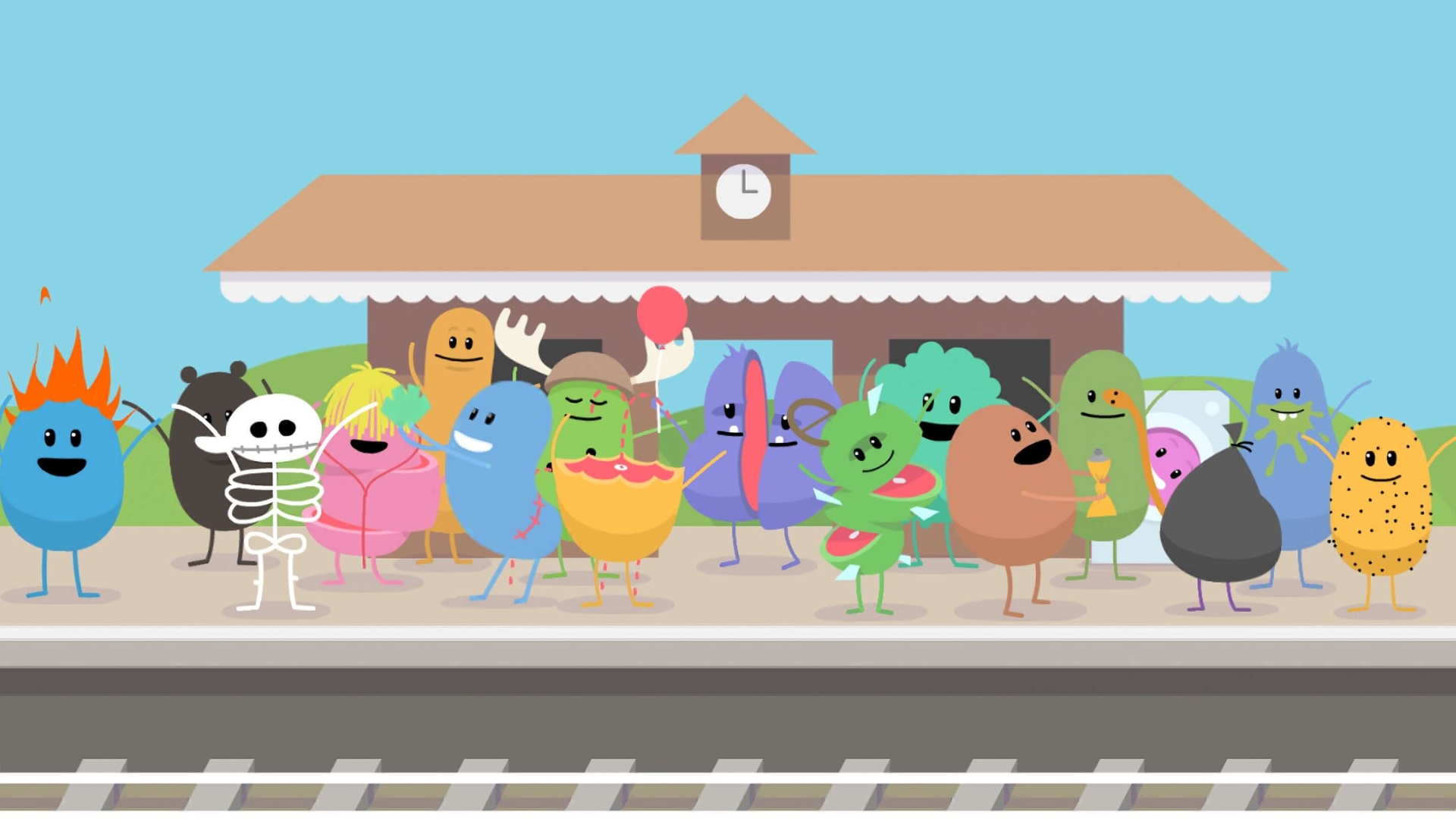
Dumb Ways to Die — Melbourne
Metro Trains Melbourne needed to communicate a serious public safety message: avoid dangerous behavior around trains. The expected route would have been warning signs, institutional language, or fear-based communication.
Instead, the campaign used absurd animated deaths, a catchy song, and dark humor. The result was Dumb Ways to Die, one of the most successful public-service campaigns of the 2010s. At Cannes Lions in 2013, it won five Grand Prix awards across film, radio, public relations, direct, and integrated categories.
The campaign worked because silliness created access. It made a safety message memorable without making it feel moralizing. People shared it because it was funny. They remembered it because it was strange.
For cultural leaders and creators, the lesson is clear. Serious content does not always need a serious tone. When a message is important but predictable, play can create a new path to attention.
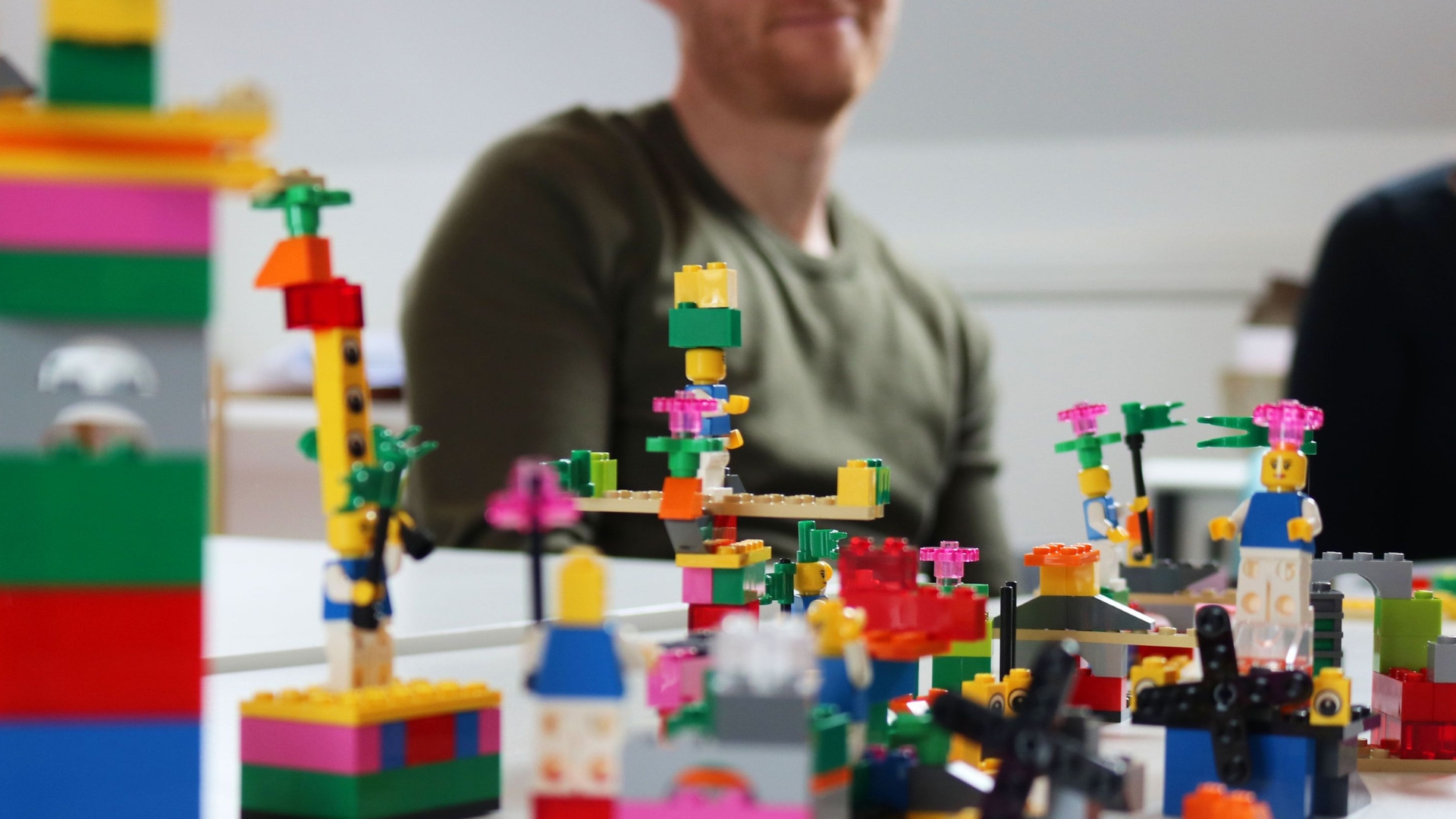
LEGO Serious Play — Strategy through making
LEGO Serious Play shows that play can also be a structured strategy tool.
The methodology originated in 1996, when IMD professors Johan Roos and Bart Victor and LEGO Group owner Kjeld Kirk Kristiansen were exploring alternative approaches to strategic planning. The method uses LEGO bricks as three-dimensional models of business issues and challenges, allowing participants to build, explain, question, and revise ideas physically.
The value is not nostalgia or childishness. The value is translation. Abstract problems become visible. Assumptions become objects on the table. People can point to them, move them, rebuild them, and discuss them with less defensiveness.
This has direct relevance for arts organizations, creative teams, and independent creators. Many creative challenges are difficult to solve only through discussion. A program model, audience journey, festival structure, artistic concept, or partnership idea can become clearer when people are invited to build it rather than merely describe it.
Play, in this context, is a way of thinking with the hands.
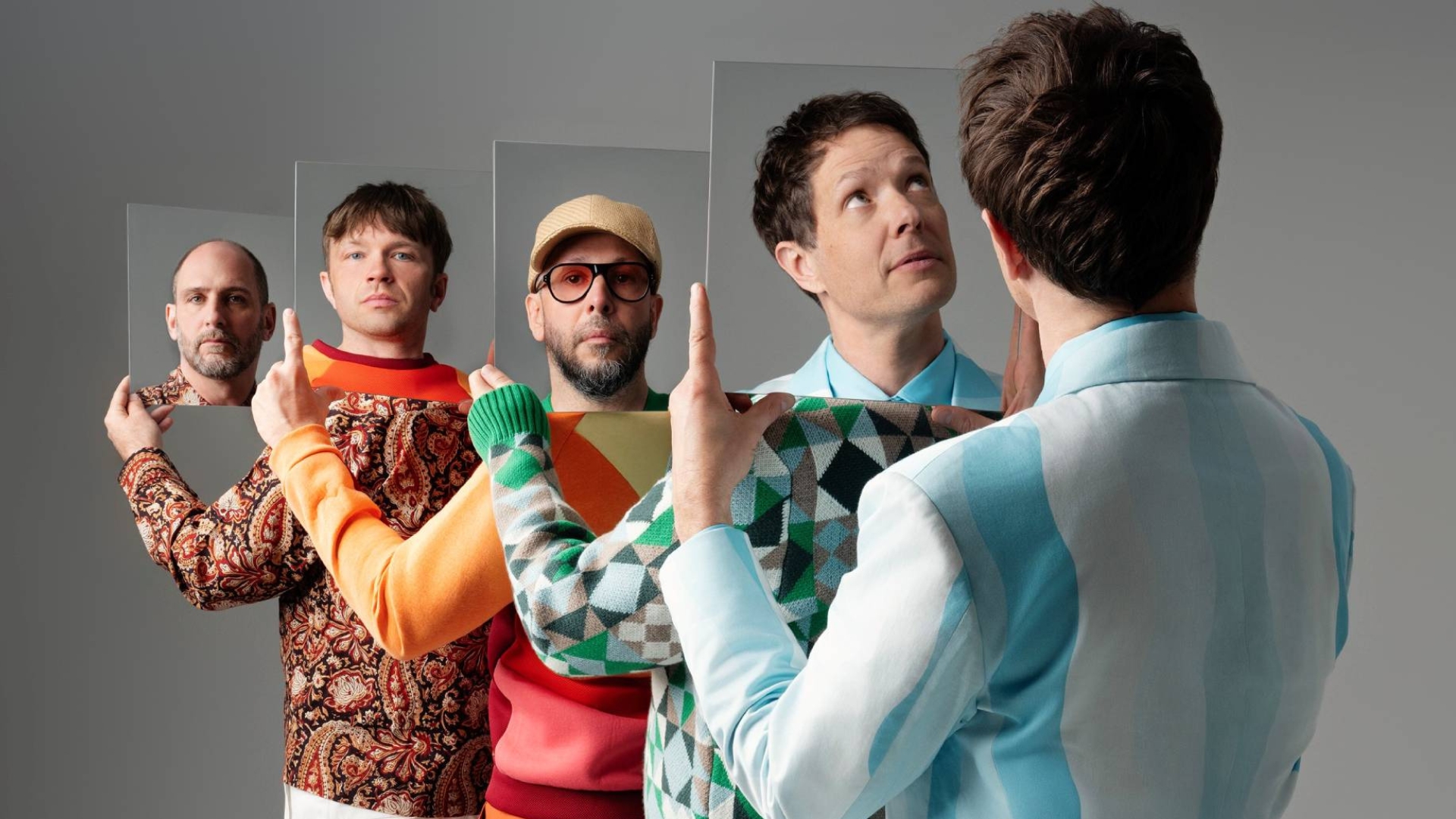
OK Go — Constraint as creative signature
OK Go offers a creator-facing example of play as discipline.
The band became known for music videos built around playful constraints: treadmills, optical illusions, synchronized movement, Rube Goldberg machines, and zero-gravity choreography. These ideas sound whimsical, but their execution requires precision.
For the video This Too Shall Pass, OK Go collaborated with Syyn Labs on an elaborate Rube Goldberg machine filmed in a single unbroken shot. Wired reported that the production involved 55 to 60 people, around a month and a half of work, and more than 60 takes.
In Upside Down & Inside Out, the band filmed in near-zero gravity aboard a parabolic aircraft, without wires or green screen effects.
The lesson is not that every creator needs a spectacle. The lesson is that playful constraints can become a recognizable creative language. OK Go turned difficulty into identity. The audience returns not only for the song, but for the question: what impossible-looking thing will they try next?
DISCIPLINED PLAY
The Muppet Method works because it refuses a false choice between seriousness and play.
Play can carry public messages, as Dumb Ways to Die demonstrates. It can support strategy, as LEGO Serious Play shows. It can become a creative signature, as OK Go proves.
For cultural organizations, this means designing environments where experimentation is not treated as decorative. For creators, it means taking unlikely ideas seriously enough to rigorously test them.
Play without discipline can become noise. Discipline without play can become predictable.
The strongest creative cultures make room for both. They understand that silliness can bypass fear, that constraints can sharpen invention, and that serious work sometimes becomes more powerful when it gives itself permission to play.
Register for the chance to be invited to apply to The Global Arts MBA