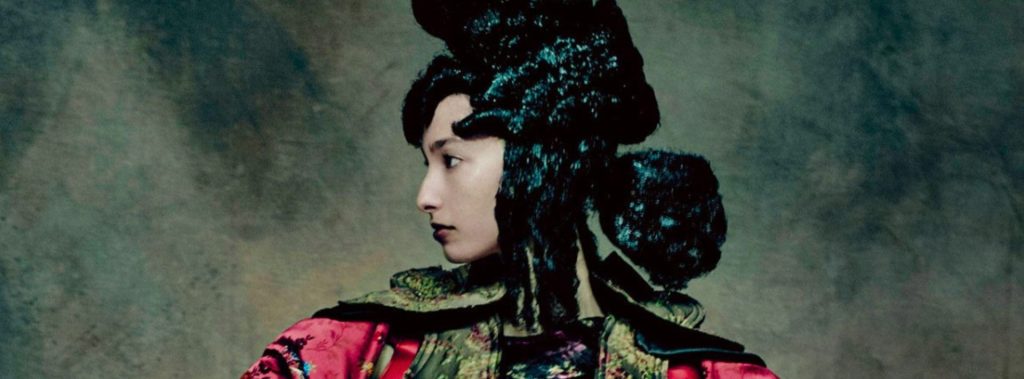
Every creative field develops rules. Some are technical. A dancer needs to understand the body. An architect has to contend with gravity. A writer needs language. Others are harder to see.
Stories should unfold recognizably. Clothes should flatter the body. Animation should hide the process that creates the illusion.
Over time, conventions can acquire the authority of rules. They become embedded in training, criticism, audiences, markets, and our own expectations about what good work is supposed to look like.
That makes them useful. Conventions give creators a language to work within.
They can also become boundaries.
Creative risk sometimes begins with recognizing the difference between a rule that makes the work possible and an assumption that has been repeated long enough to feel inevitable.
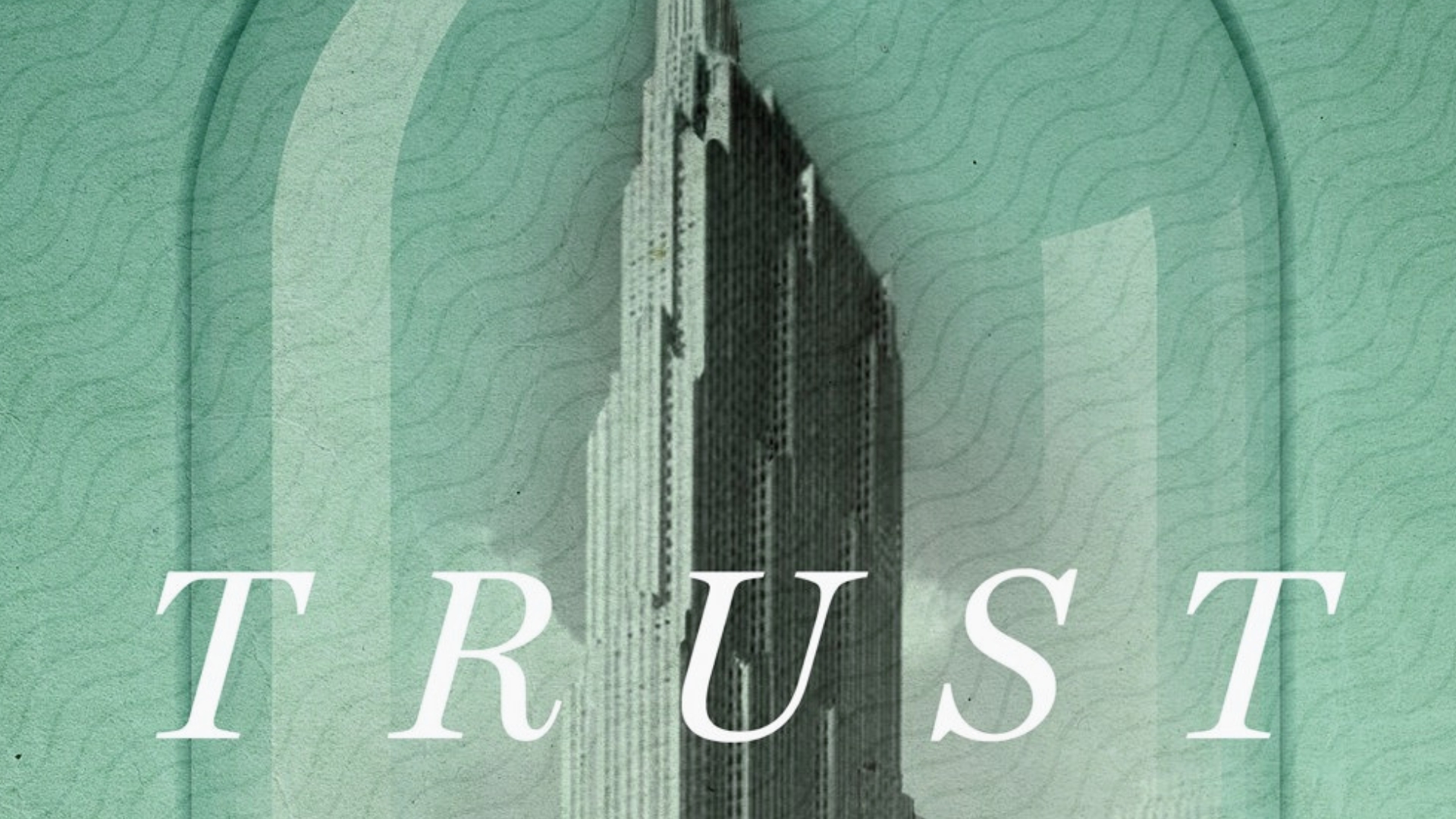
HERNAN DIAZ, TRUST
Who says a novel needs one authority?
Hernan Diaz’s Trust is constructed as four different texts: a novel, an unfinished autobiography, a memoir, and a private journal.
Each tells versions of the same world through different voices, styles, and claims to authority. What the reader believes in one section is complicated, contradicted, or reframed by another.
Diaz could have written about power, money, authorship, and the silencing of women through a more conventional narrative. Instead, he built those questions into the reading experience itself. He has described wanting the issue of who receives a voice, and who loses one, to be enacted through the form of the book. He even created separate style guides for each fictional author.
The risk asks something fundamental of the novel:
Why should one narrative voice get the final word?
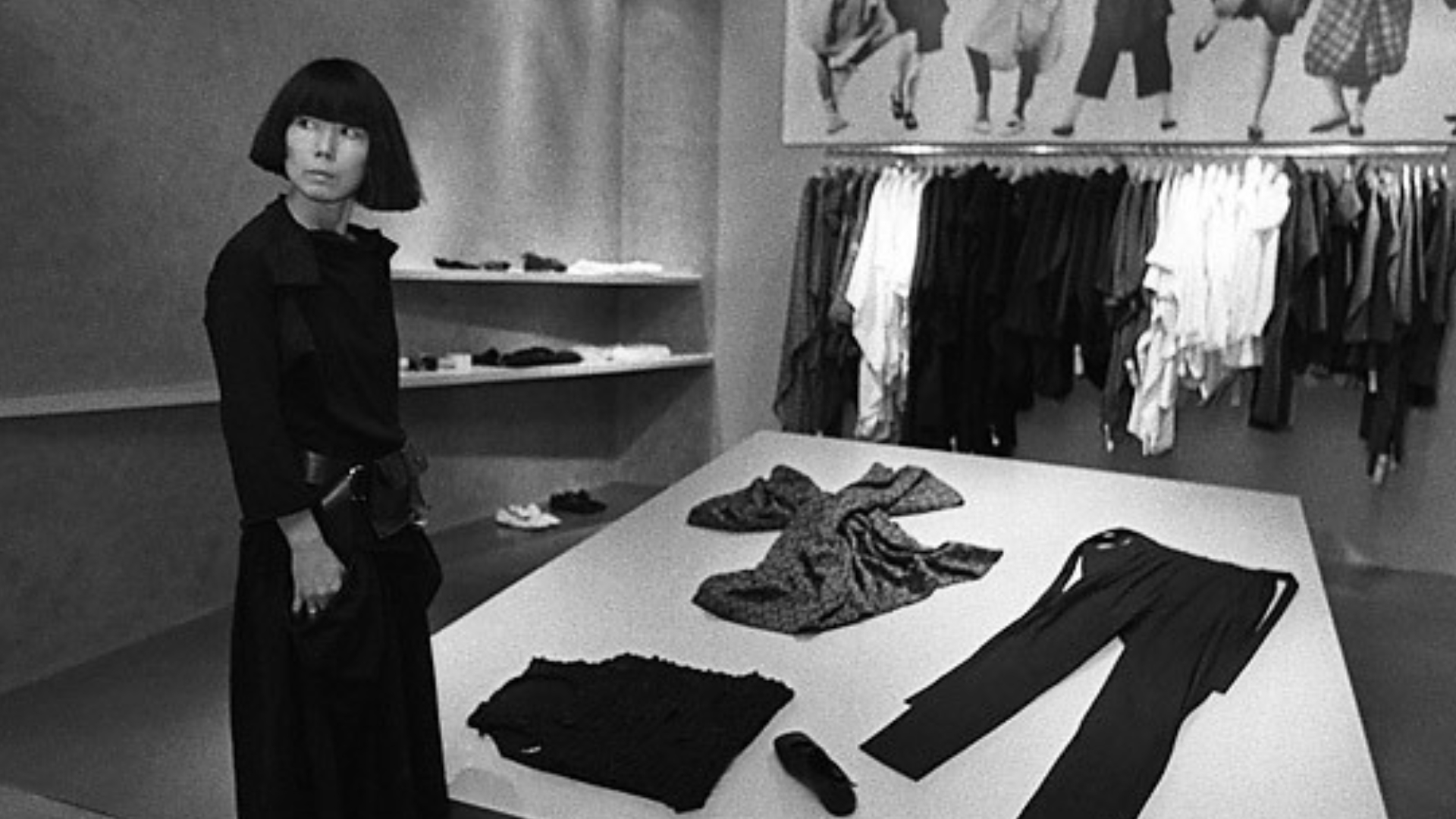
REI KAWAKUBO, COMME DES GARÇONS
Who says clothes should flatter?
Fashion carries powerful assumptions about the body.
Clothing should lengthen, slim, balance, reveal, conceal, and ultimately make the wearer more conventionally desirable.
Rei Kawakubo has spent decades unsettling those expectations. When she began presenting Comme des Garçons to Western audiences in Paris in the early 1980s, her black palettes, oversized silhouettes, asymmetry, unusual openings, and body-obscuring forms provoked extreme reactions. The Metropolitan Museum of Art describes her work as repeatedly challenging conventional ideas of beauty and the fashionable body.
Kawakubo herself described a turning point in 1979 when she decided to “start from zero” and pursue things that had not been done before.
Removing one deeply embedded assumption opened enormous creative territory:
What can clothing become when flattering the body is no longer the primary objective?
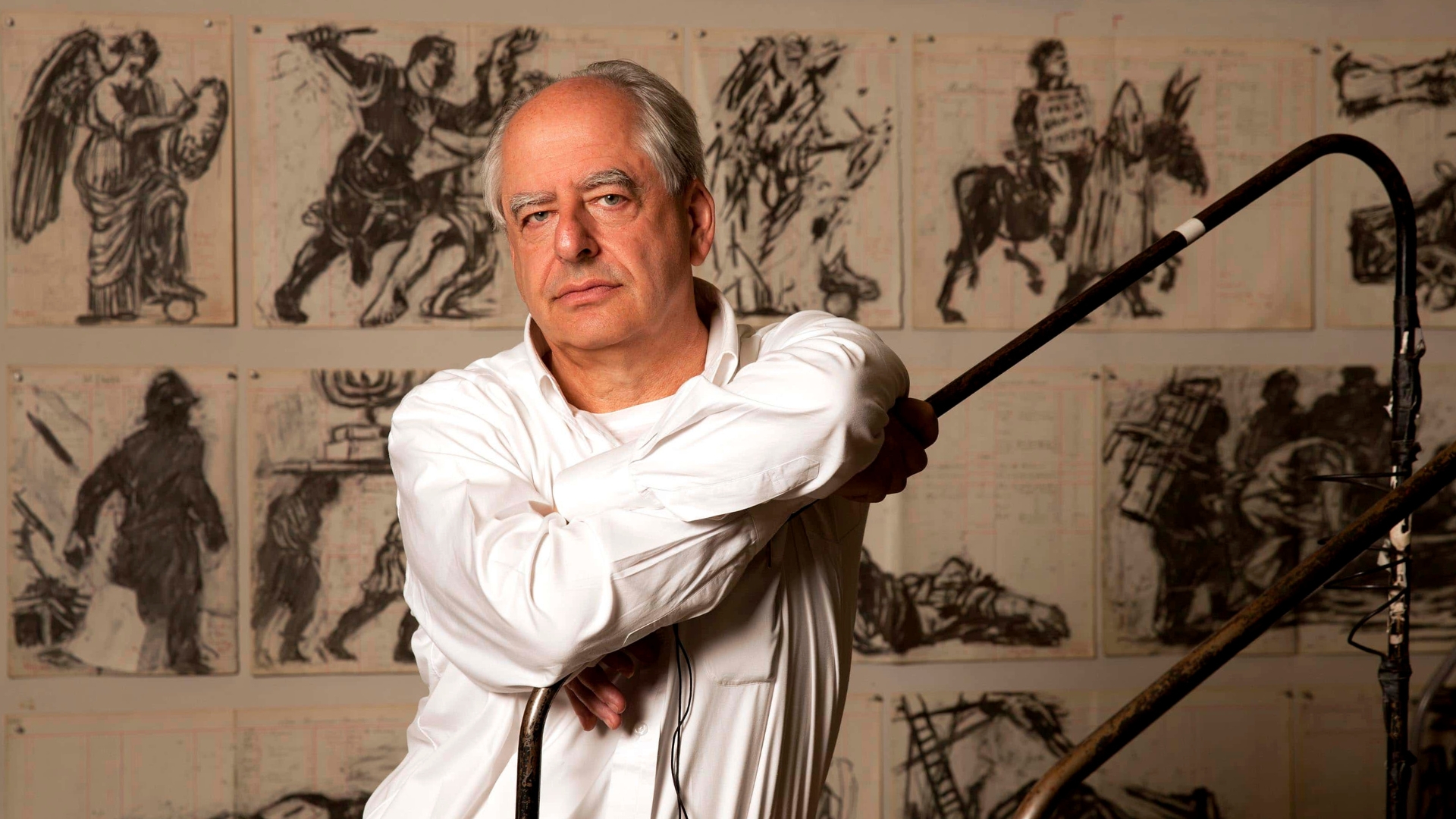
WILLIAM KENTRIDGE
Who says the technique should disappear?
Traditional animation creates movement from separate images while concealing much of the labor that produces the illusion.
William Kentridge’s charcoal films allow that labor to remain visible. His process begins with a drawing. He photographs it, alters or erases part of it, photographs it again, and continues working on the same sheet. The imperfect erasures leave pale traces of previous positions, so movement accumulates visibly across the surface.
At first, Kentridge tried to eliminate those marks. Eventually, he recognized that they gave the films part of their meaning. The residual traces made memory and the passage of time visible.
A technical imperfection became an artistic language because he stopped treating it as something that needed correcting.
WHICH RULES ARE REAL?
Breaking convention is not automatically innovative.
Rules often contain accumulated knowledge. Technique, tradition, and discipline allow creators to reach places improvisation alone cannot.
The more interesting skill is knowing what kind of rule you are looking at.
Some protect the integrity of the work.
Others protect familiarity.
Diaz questioned narrative authority. Kawakubo questioned what clothing is supposed to do for the body. Kentridge questioned whether evidence of the creative process should disappear.
None abandoned the craft of their field. Each understood it deeply enough to identify an assumption that could be challenged.
Every creative practice inherits a collection of “shoulds.” The opportunity may lie in asking which ones still deserve the authority we give them.
Register for the chance to be invited to apply to The Global Arts MBA