Creative work rarely unfolds exactly as imagined.
The material behaves differently. The technology fails. The budget removes an option. A physical limitation changes what is possible. The original plan can no longer be executed as conceived.
The first response is often frustration. The work now seems compromised. Yet some of the most interesting creative decisions begin precisely at this point.
An obstacle closes the obvious route. To continue, the creator has to find another one.
And sometimes that detour changes the work itself.
WHEN THE DIRECT PATH CLOSES
Research on creativity suggests that obstacles can alter the way we approach a problem.
Studies by researchers at the University of Amsterdam found that when people encountered an obstacle while pursuing a goal, they broadened the range of possibilities they considered and generated more original ways of reaching that goal. The obstacle disrupted the most direct path, forcing them to look beyond the obvious solution.
The distinction matters.
A limitation can simply make one work harder. But when the goal remains important, and the creator stays engaged, the need to find another route can expand the solution space.
This is familiar territory for independent creators.
A missing resource forces another material. A location changes the staging. A technical failure changes the shot. A physical constraint changes the method. The workaround begins as a response to a problem. Then something unexpected happens.
It starts producing ideas of its own.
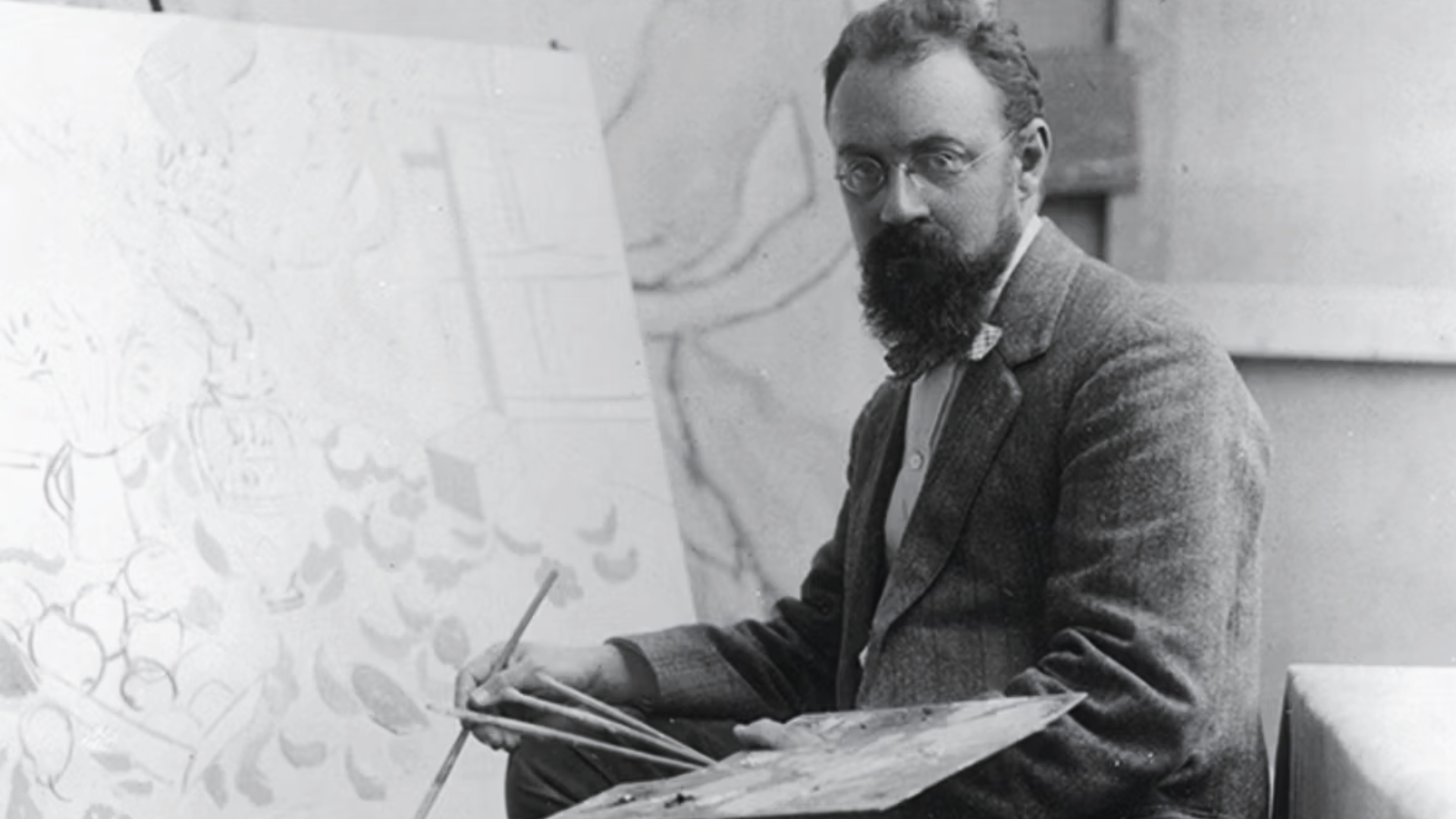
Henri Matisse, cut-outs
In the final years of his life, ill health increasingly restricted Matisse’s ability to paint.
Cut paper was already part of his working process, but those circumstances pushed the technique much further. With assistants painting sheets of paper in gouache, Matisse cut directly into color and arranged the pieces from his chair or bed. The method eventually became an autonomous artistic medium.
Works such as The Snail and the Blue Nudes emerged from this period.
A physical limitation led to a supporting technique being moved to the center of the work.
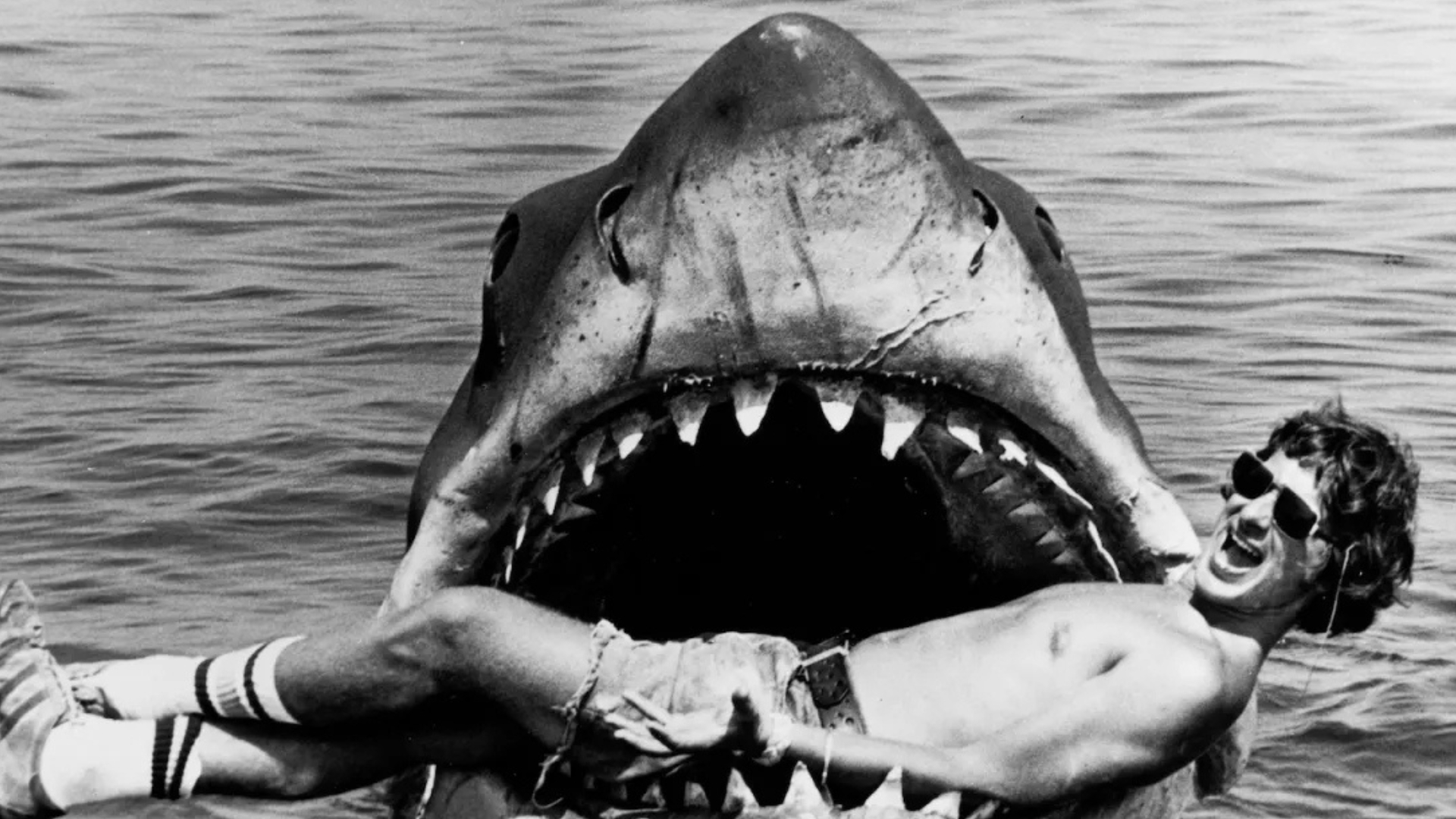
Jaws, Steven Spielberg
Spielberg planned to show the shark. The mechanical sharks built for Jaws repeatedly malfunctioned in the ocean, making many of the intended shots impossible. Spielberg and his team had to find other ways to create the threat: camera angles, editing, point of view, reactions, sound, and the suggestion of something moving beneath the water.
The shark’s absence became part of the film’s tension.
A technical failure forced the story to rely more heavily on the audience’s imagination.
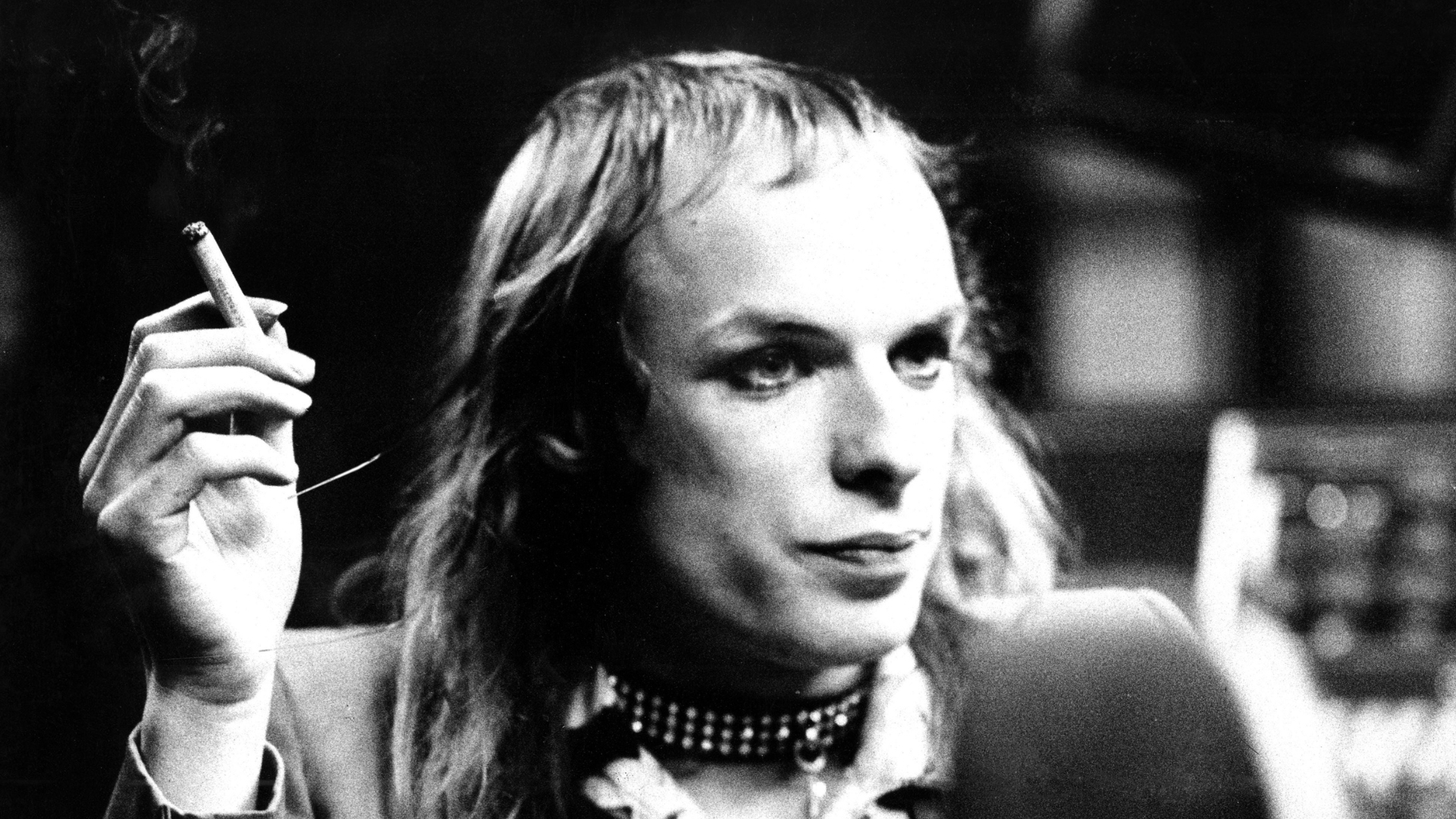
Brian Eno, ambient music
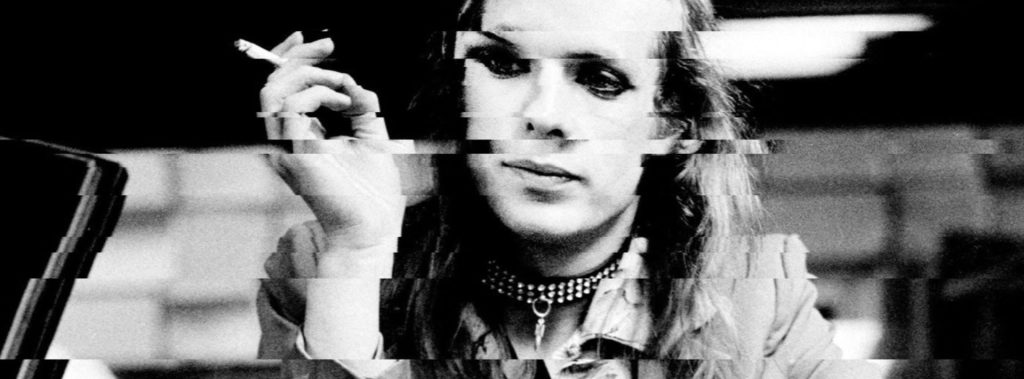
In 1975, Brian Eno was recovering from an accident and confined to bed when a friend brought him a record of eighteenth-century harp music.
After putting it on, Eno realized the volume was extremely low, and one stereo channel had failed. He lacked the energy to get up and fix it, so the music continued almost inaudibly, mixing with the sounds of the room and the rain outside.
Eno later described the experience in the liner notes to Discreet Music as a new way of hearing music: as part of the surrounding environment.
The limitation changed the listening experience. That experience helped shape an idea that would become central to his approach to ambient music.
WHAT THE OBSTACLE ADDS
Creative limitations are rarely welcome when they arrive. They interrupt intention. They remove options. They force compromises before we know whether those compromises will lead anywhere useful.
But the original plan is only one possible version of the work.
Matisse found another way to draw. Spielberg found another way to create fear. Eno found another way to listen.
Their constraints did more than demand solutions. They introduced possibilities that the original conditions had little reason to produce.
For creators, that may be the more useful question when something becomes impossible: What is this limitation forcing me to see differently?
The detour may still be inconvenient. It may also contain the idea.
Register for the chance to be invited to apply to The Global Arts MBA