
Van Britten: The Mother of Invention
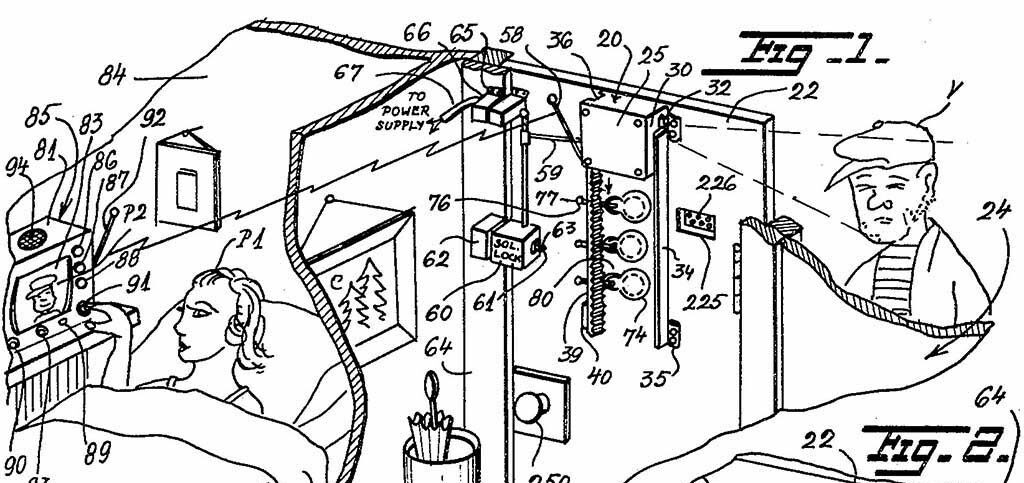
If you have a home security system, you can thank Marie Van Brittan. 👩🏾⚕️ A nurse who worked irregular hospital hours in Queens, New York, Van Brittan often felt unsafe returning home at odd times. So in 1961, she collaborated with her husband, an electrical technician, to devise the world’s first closed-circuit television network. Van […]
Stage Platform: Carnegie Hall’s Sarah Johnson
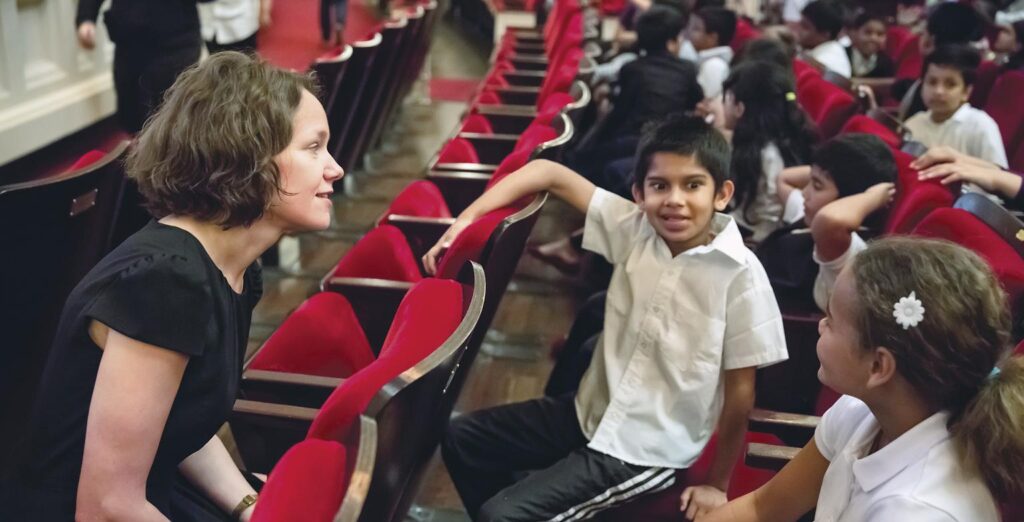
The Global Leaders Institute offers diverse opportunities for Fellows to acquire real-life, hands-on experience, including working with a partner organization on a first-hand Case Study Assignment in the opening months of the MBA learning journey. This team-based challenge invites Fellows to explore the world of arts leaders making significant contributions worldwide. One of the initiatives […]
Thomas Edison: 1% Inspiration, 99% Perspiration
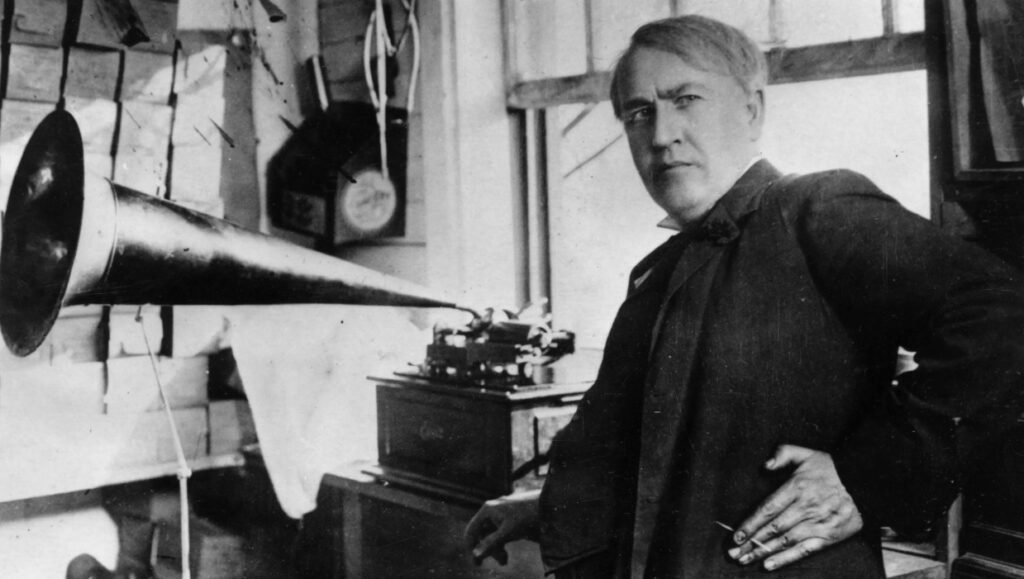
Thomas Edison was a prolific inventor who created a record 1093 patents as the driving force behind innovations like the phonograph, the incandescent light bulb, the alkaline battery and one of the earliest motion picture cameras. He also created the world’s first industrial research laboratory and played a critical role in introducing the modern age […]
Audience Development: Rules of engagement
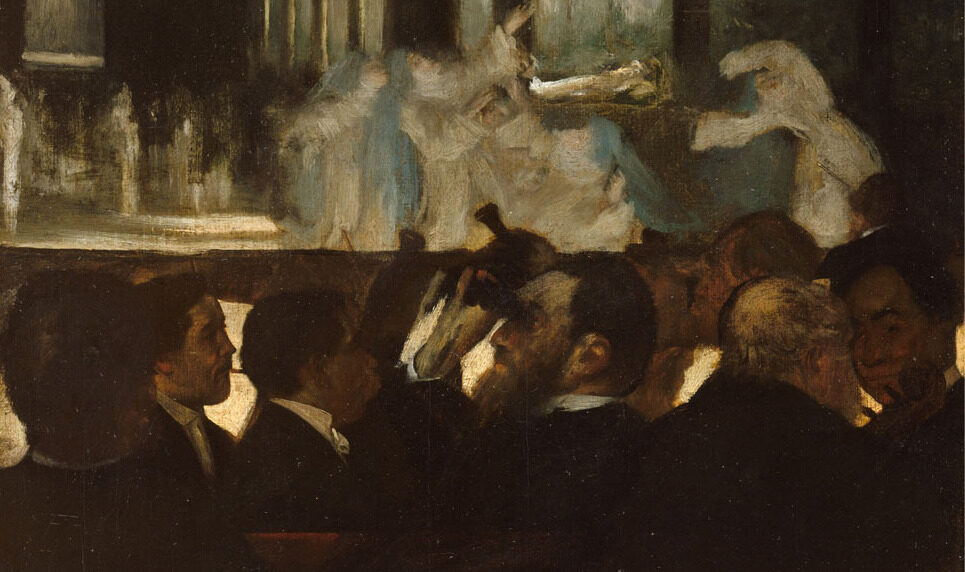
In the “The Live Performance Industry” substream led by Beata Dubiel-Stawska and Malgorzata Kucsmowska, GLI Fellows first approach the challenge of audience development by mapping the motivations that drive audiences to come together. What follows are some key takeaways to give arts leaders a starting point to this vast and complex subject. What is Audience […]
Marie Curie: Everything is to be understood
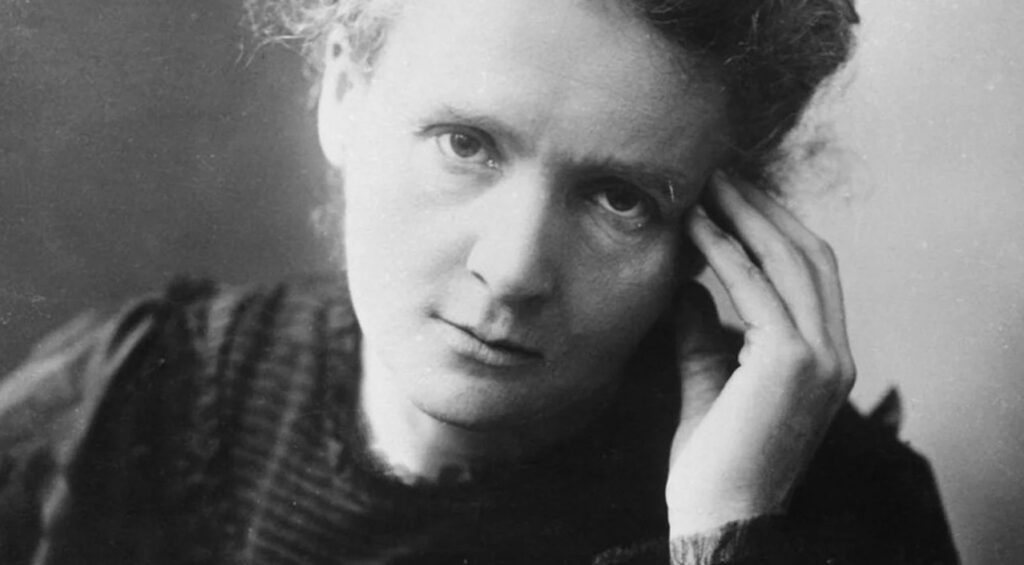
Marie Curie was a Polish-born physicist who led groundbreaking innovations in radioactivity. She was the first woman to win a Nobel Prize and the only person to ever win Nobel Prizes in two different fields, physics and chemistry. Her lasting achievements include — 👩🔬 Discovering Radium and Polonium, naming the latter after her homeland, Poland :) […]
Breaking down the Immunity to Change barrier
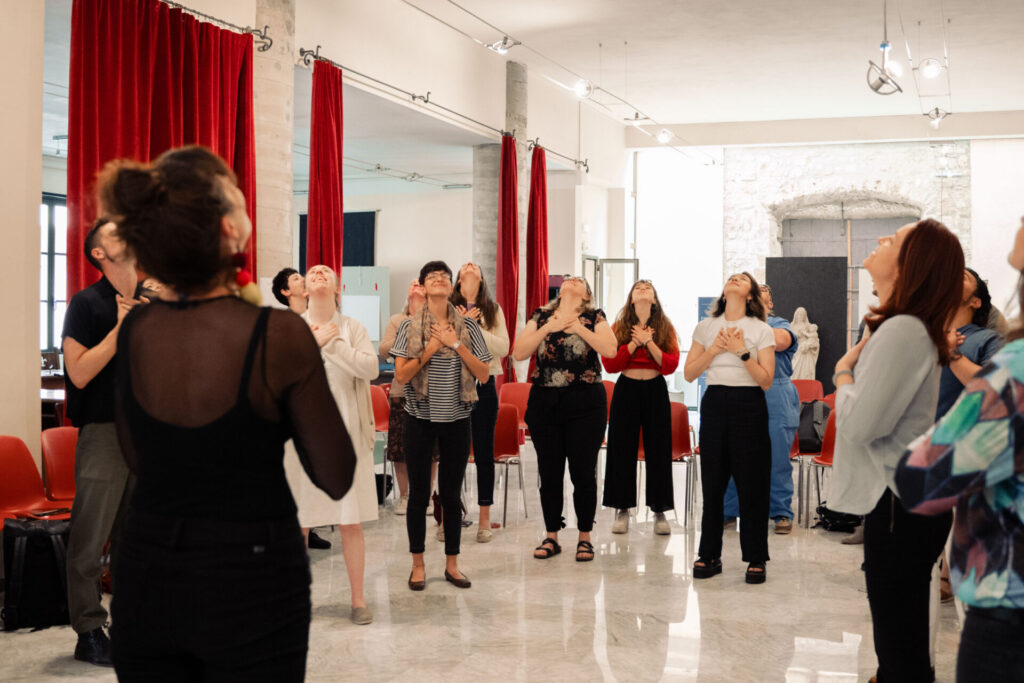
The more we grow, accomplish, build, and mature — the more challenging it can feel to continue embracing the adventurous mindset that started our journey. The initial optimism that once made us open to collaborating, experimenting, and innovating can incrementally give way to doubts about our ability to continue transforming. Questions arise, like Have we […]
Thomas Jennings: Real success contributes
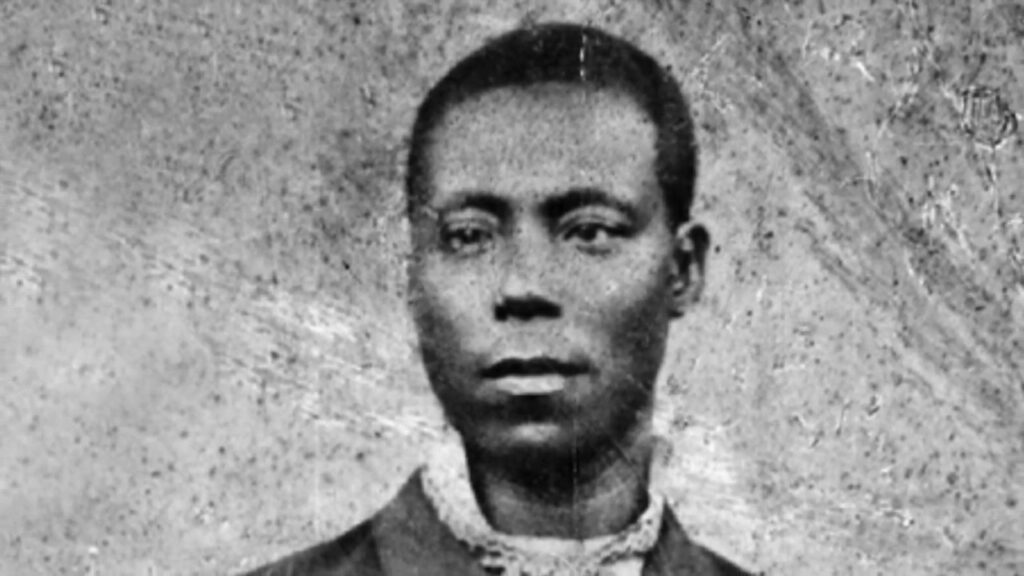
If you’ve ever been to the dry cleaners, you have Thomas Jennings to thank. Thomas Jennings was a free-born African American tailor who, in the early 1800s, invented a process he called “dry-scouring.” 🧺 The details of his method are unknown — a fire destroyed the original formula — but dry-scouring involved using a solvent […]
How creative brands stand the test of time

In the GLI’s “Emerging Technologies for Innovation” Substream, David Simnick (founder of Soapbox) focuses on communication as key. On the one hand, relevant brands transmit high-level vision, purpose, and values in a way that differentiates, inspires, and engages stakeholders. On the other hand, relevant brands convey nuanced features and benefits important to their customer base. […]
How arts innovation works: Five principles
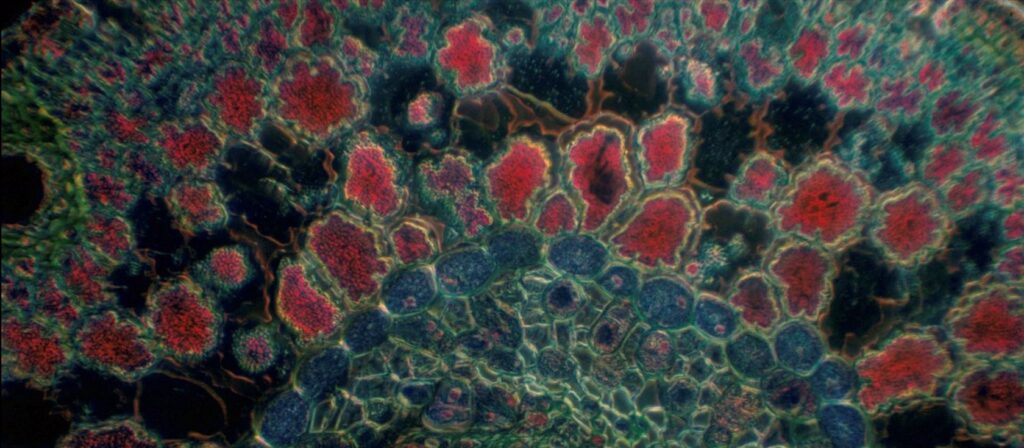
Arts innovation helps solve critical social challenges by revealing new ways of addressing the needs of diverse groups. Here are five frequent attributes of arts innovation — 1) using existing resources in novel ways 2) rethinking traditional processes to arrive at out-of-the-box solutions 3) linking ideas and technologies across sectors 4) working with traditionally overlooked […]
Fearless Change: Dubai Opera with Paolo Petrocelli

In March 2023, Italian arts entrepreneur Paolo Petrocelli left Cremona’s celebrated Academia Stauffer to become General Manager of the Dubai Opera House in the United Arab Emirates. A longtime faculty mentor at The Global Leaders Institute, Petrocelli serves the UAE public today by presenting wide-ranging concerts, including opera, ballet, musicals, jazz, and pop, in the […]