
Five leadership lessons from Dmitri Shostakovich

What if there was a universe of hidden messages in music? 🔮 Imagine a composer who used secret codes to fight against tyranny and censorship through his tunes… 🎵 Meet Dmitri Shostakovich – the musical rebel who shook the Soviet Union. 🤘 He faced Stalin’s fury, war’s horror, and the state’s control. But he never […]
How innovation works: Architect I M Pei
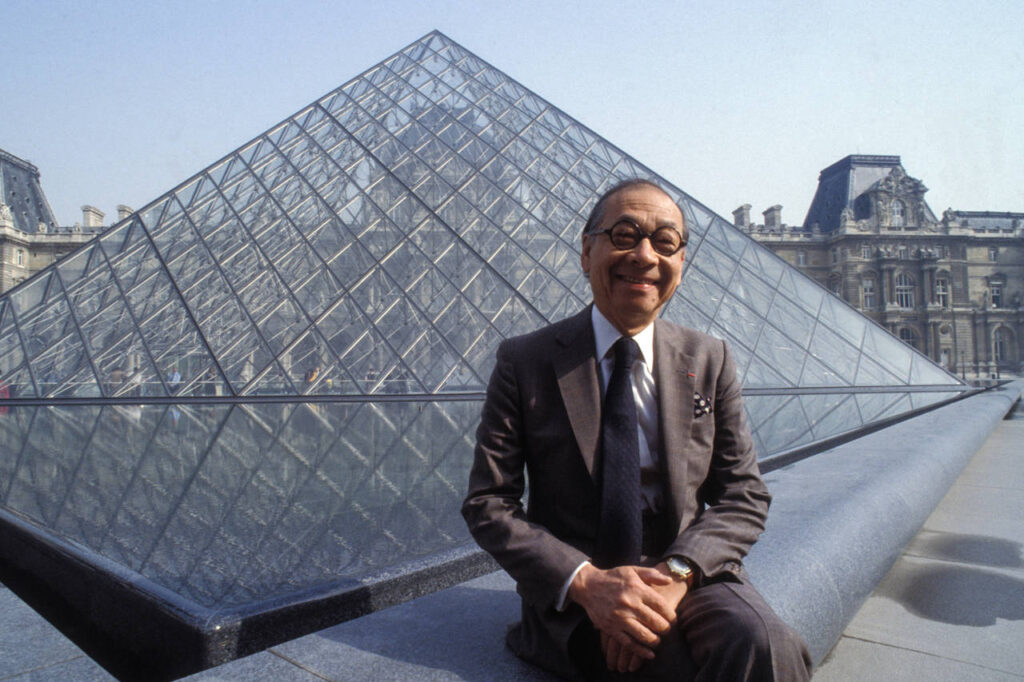
I M Pei was a Chinese-American architect known for his creative use of modernist architecture combined with natural elements and open spaces. He designed some of the world’s most recognizable and iconic buildings, such as the Louvre Pyramid in Paris, the Bank of China Tower in Hong Kong, and the Museum of Islamic Art in […]
Jorge Peña Hen’s memory echoes in Chile
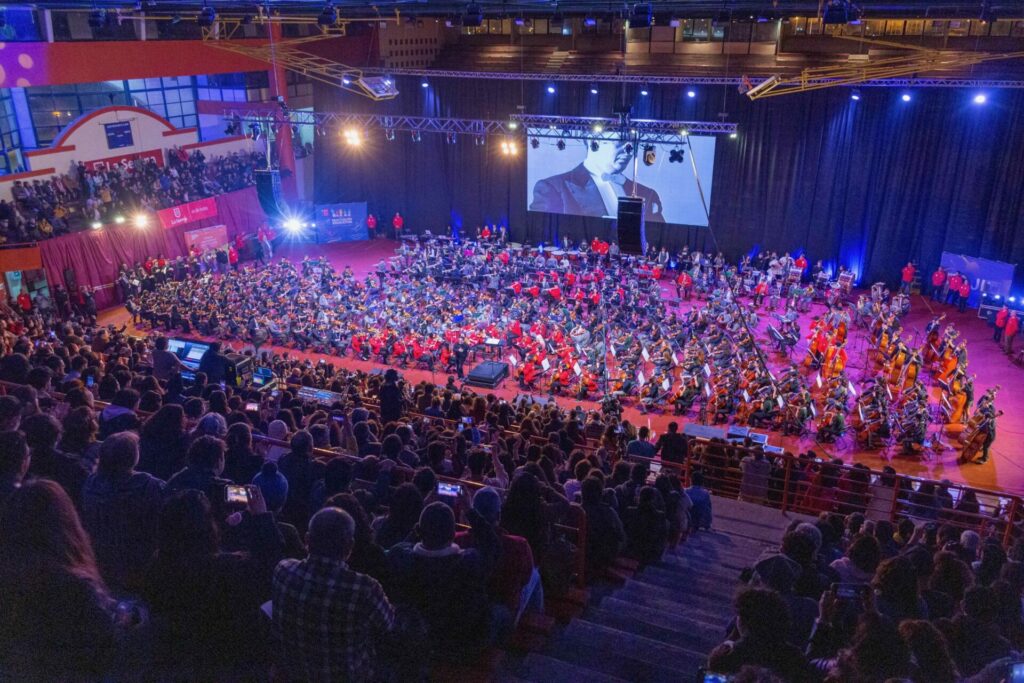
On a recent Saturday night in La Serena, Chile, an audience of over 2000 offered a standing ovation in memory of a distinguished musician and citizen killed 50 years ago: Jorge Peña Hen, a visionary educator, composer, and social activist who founded the first Children’s Orchestra in Chile and Latin America. His legacy lives on […]
Five leadership lessons from Clara Schumann

Clara Schumann was more than a brilliant pianist and composer. She was a leader who showed us how to overcome obstacles, collaborate with others, and live a balanced life. Here are five leadership lessons from Clara Schumann’s inspiring story: Cultivate unique abilities. Through childhood, Clara immersed herself in music studies, becoming a prodigy who dazzled […]
Three leadership lessons: Chevalier Saint-Georges
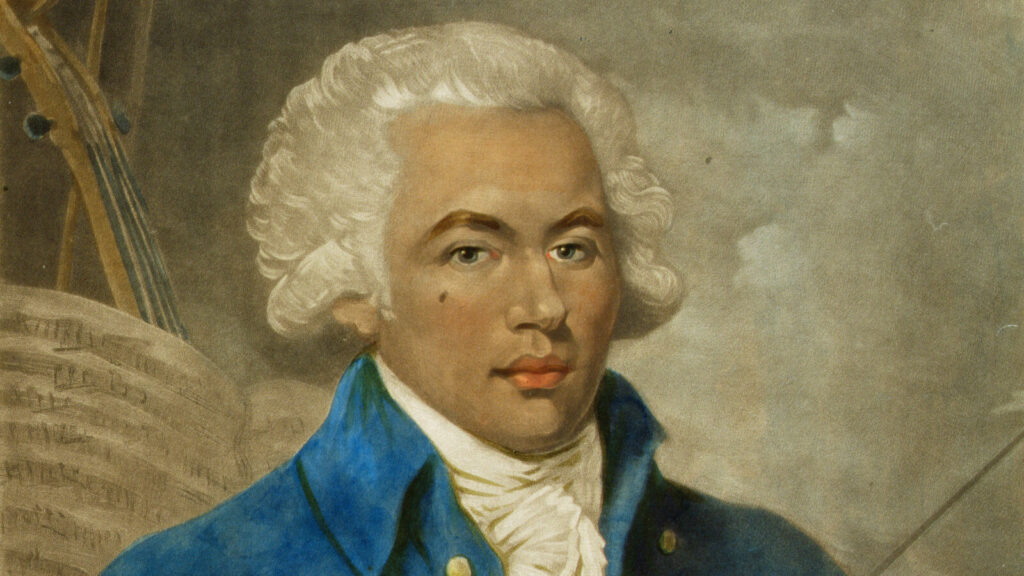
Picture this: A master of music 🎶 — a fencing star ⚔️ — a hero of the French Revolution 🇫🇷 — and a civil rights pioneer ✊🏿 — all while being the son of an enslaved person and a nobleman in 18th-century France. Sounds like a movie, right? This is the real-life story of Chevalier […]
What is a Music City? The future awaits
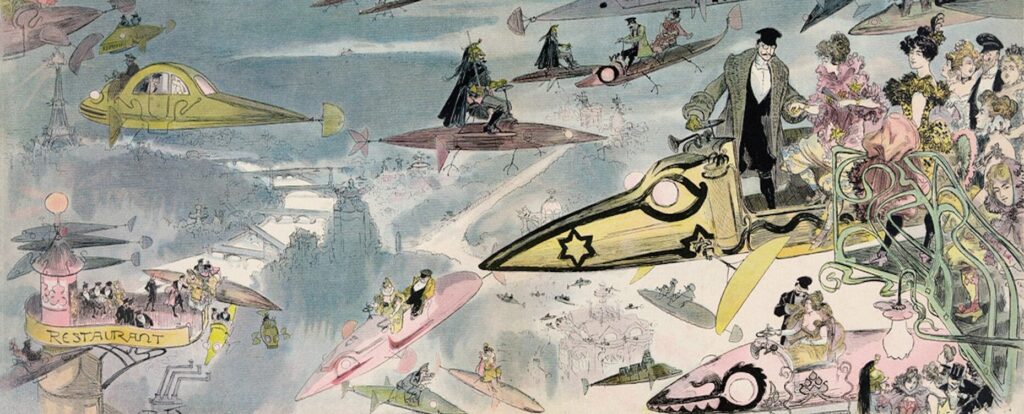
Can you envision a community where music is not just entertainment but a way of life? A place where music shapes its culture, its economy, its health, and its identity. A city where music catalyzes creativity, innovation, and social change. You’re looking at a Music City. In the Creative Ecosystems Seminar, led by Shain Shapiro […]
Mental Aikido: Turning challenges on their head

Sometimes, we don’t want to think too hard about things. We use shortcuts and habits to deal with everyday problems. But this can also make us lazy and stuck in our ways. We stop seeing the possibilities and wonder of the world like children do. We only see things for what they are, not what […]
Five leadership lessons from Joan of Arc
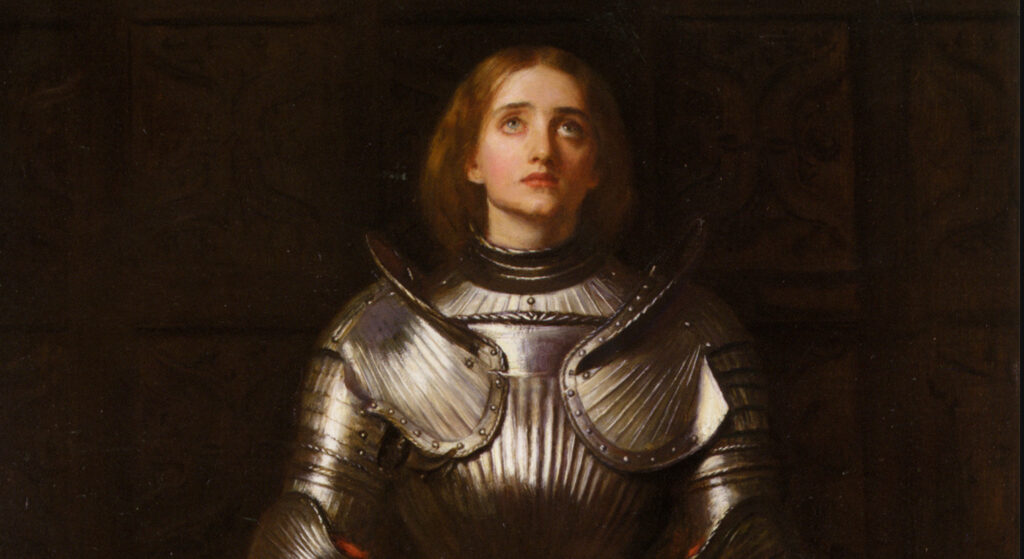
Joan of Arc was a French farmgirl who, in 1428, at age 16, proclaimed that she would lead the kingdom of France to reclaim Orleans — territory lost to England. Given the might of the English military, this claim would have been bold for anyone at the time! But it was especially so for a […]
Peabody Prep gets a gold star: new arts centers

The Global Leaders Institute recently met with 2023 Cohort Member Maria Mathieson, Executive Director of Peabody Preparatory, to discuss the importance of scaling Peabody’s impact in Maryland. To provide context on Mathieson’s work, The Peabody Preparatory is Baltimore’s premier community school for the performing arts. The Institute has long been a model for community arts […]
How innovation works? Graham Bell’s Telephone

Alexander Graham Bell was a Scottish-born American scientist and teacher known for inventing the telephone in 1876. He also made significant contributions to phonography, aeronautics, hydrofoils, and technologies for the deaf. Bell developed the telephone out of groundwork laid by his own prior experiments and inventions. With the telephone, he found a way to transmit […]