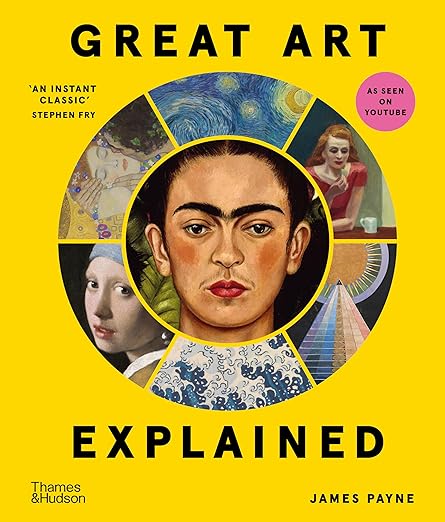
1. What made this feel like the right moment to turn Great Art Explained into a book?
The channel had reached a point where the audience wasn’t just growing, it was deepening. People weren’t only watching, they were returning, rewatching, and asking better questions. That felt like the time to work on a book, which I think allows for a different kind of engagement; slower, more deliberate, something you can physically hold and live with, and return to. It’s not replacing the videos, it’s extending them. And importantly, it fixes something in place. In a digital world that moves quickly, a book creates a kind of permanence. Also, I just love beautiful art books.
2. A big part of your work is demystifying art without flattening it. What opens up once art is freed from art-speak?
Clarity. And with clarity comes confidence. Art-speak often acts as a barrier; it signals who’s “in” and who’s “out.” Once you remove it, people realize they’re allowed to look, to question, to interpret. And what opens up is not a simplified version of art, but a more direct relationship with it. The work becomes less about decoding jargon and more about seeing, really seeing, what’s there.
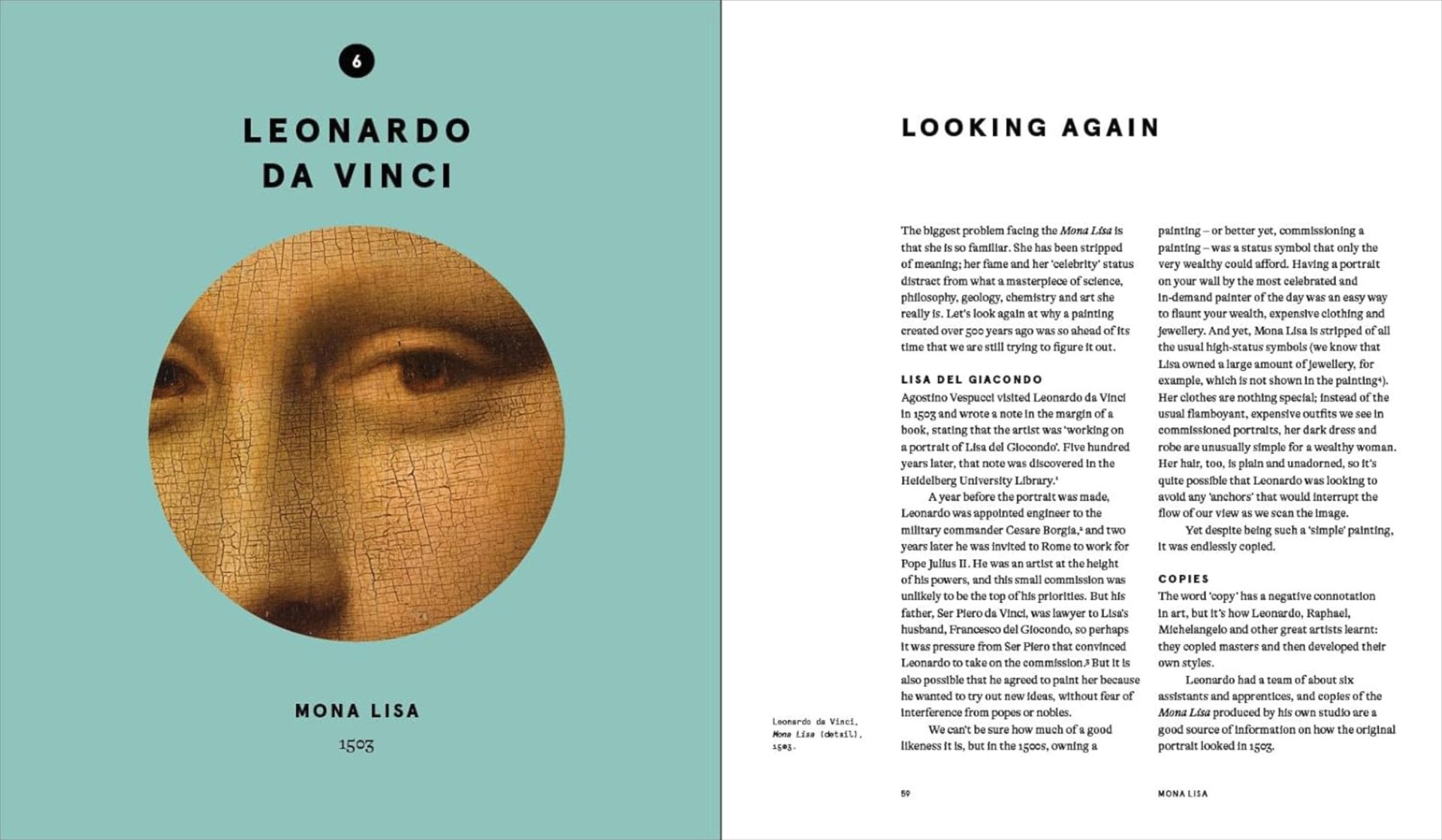
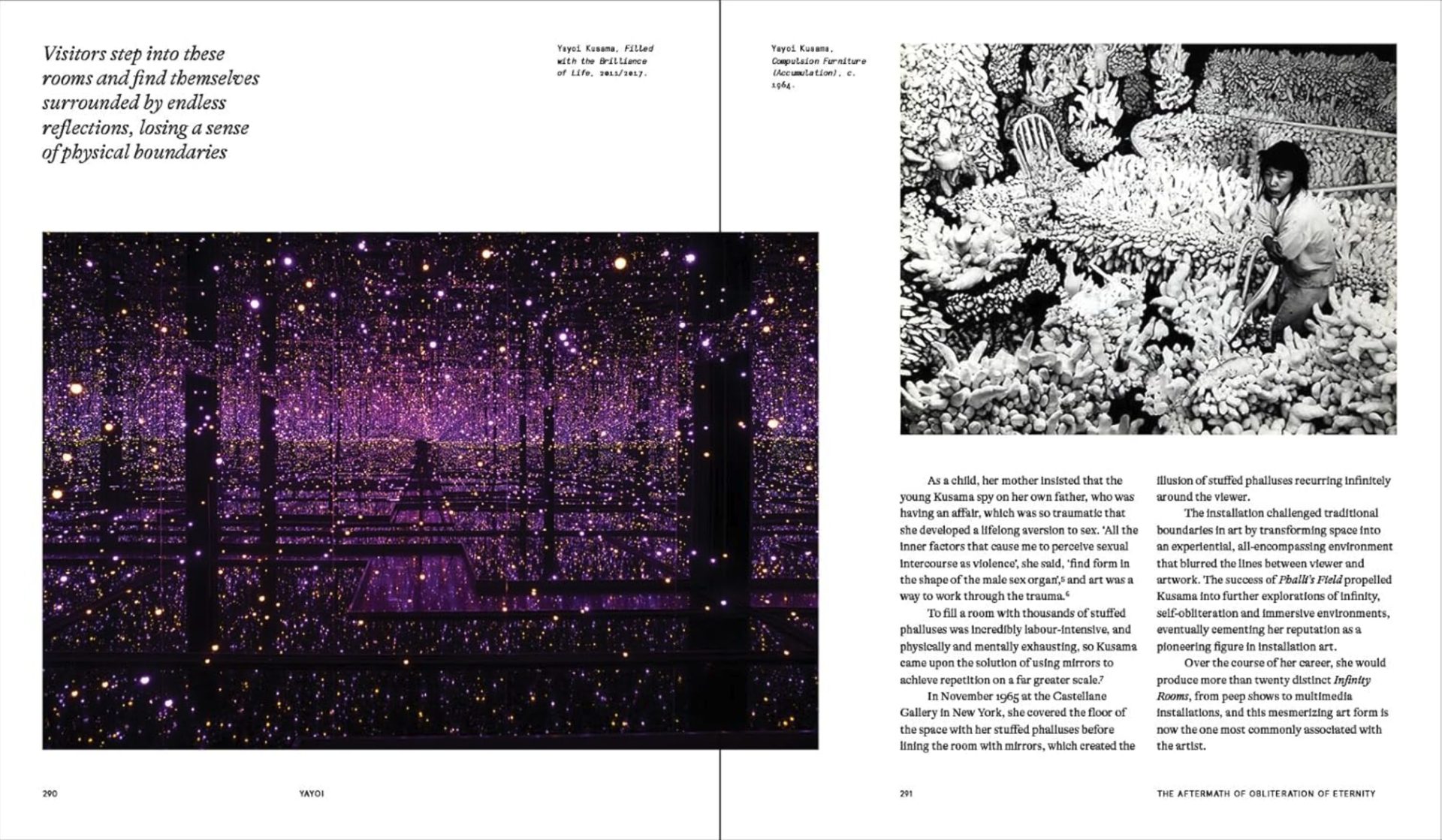
3. The book brings thirty masterpieces to life through story, context, and close looking. What can that combination reveal that quick viewing often misses?
Time. And meaning that unfolds over time. A quick glance tends to confirm what we already think we see, but when you slow down and add context: who made the work, why, under what conditions, you begin to notice decisions that artists make, and those decisions accumulate into meaning. I’ve always said that my book doesn’t really “explain” art; it doesn’t tell people what to think. I created it to give people context, background, and ideas. Tools for them to explore further.
4. What do great artworks ask of our attention that many people have simply never been taught to give?
That the work comes from showing up, not from waiting for intensity or inspiration. The myth is that great work arrives in moments of heightened emotion, but the reality is much quieter. It’s built through repetition, attention, and persistence. And that’s actually good news, because it means the conditions for making something meaningful are far more within our control than we’ve been led to believe.
5. What is one lesson from your journey into this subject that any creative can carry into their work and life?
That the work comes from showing up, not from waiting for intensity or inspiration. The myth is that great work arrives in moments of heightened emotion, but the reality is much quieter. It’s built through repetition, attention, and persistence. And that’s actually good news, because it means the conditions for making something meaningful are far more within our control than we’ve been led to believe.
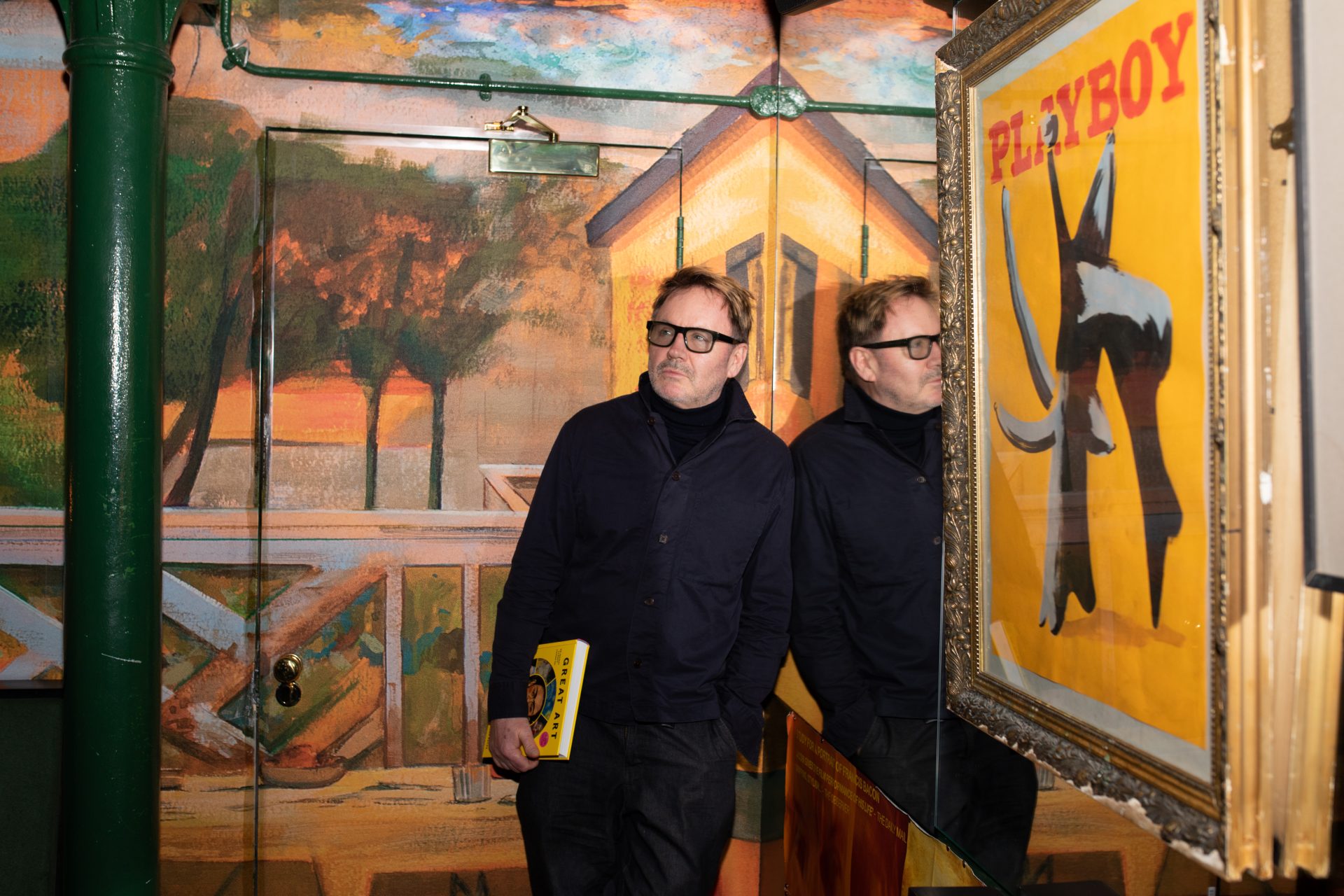
ABOUT JAMES PAYNE
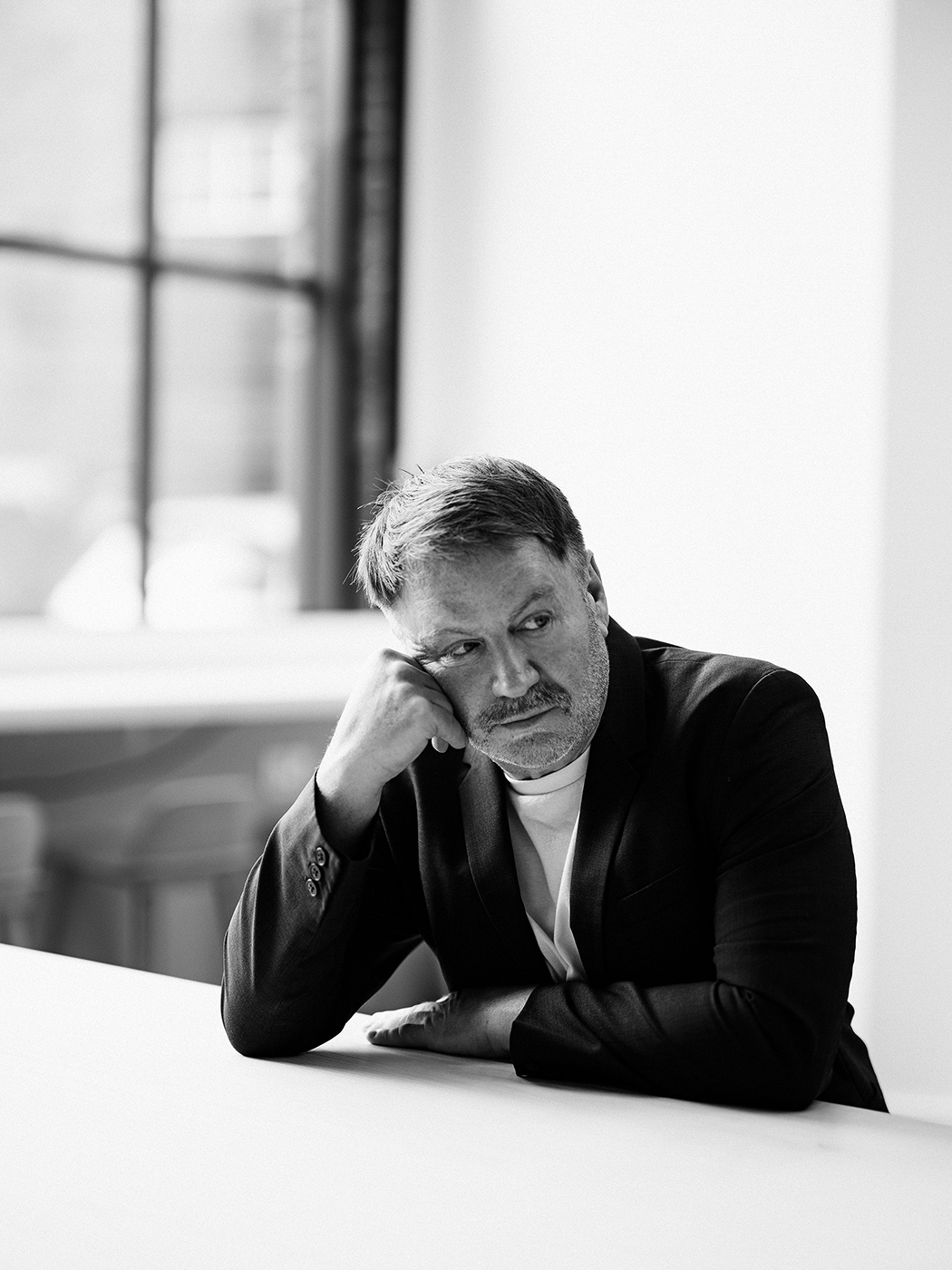
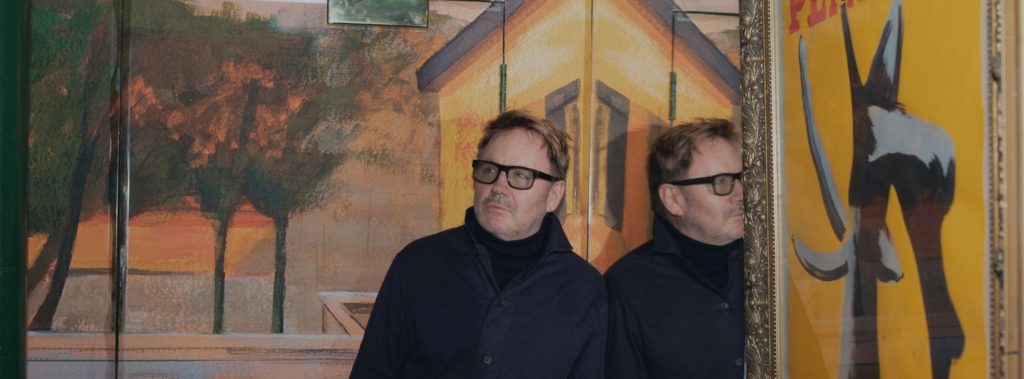
James Payne is the creator of the YouTube channels Great Art Explained and Great Books Explained. His work brings millions of people into art who were never invited in. His new book brings the project into a new form: slower, more tactile, and made for deeper looking.