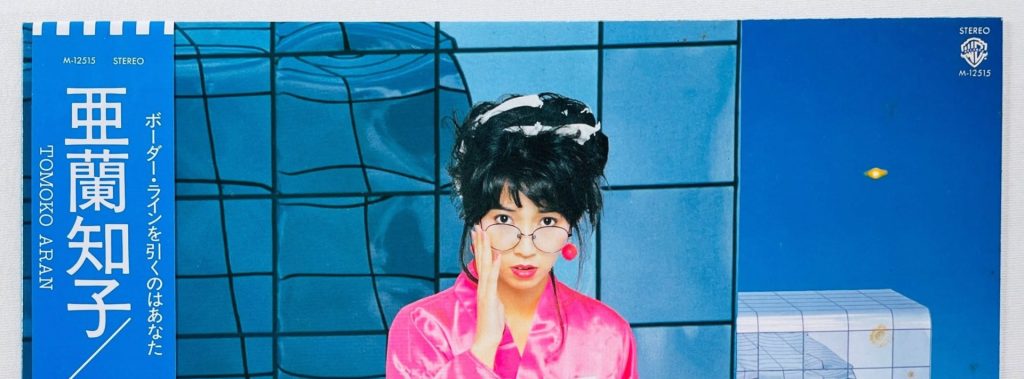
Some music becomes inseparable from the time in which it was made. Years later, a song can bring back more than melody. It can recover clothes, places, slang, political atmosphere, ideas about the future, even a former version of ourselves.
Sometimes this happens at the scale of a generation. A musical movement catches something already shifting in society and gives it a shared language. The music becomes connected to how people dressed, moved, spoke, imagined themselves, and recognized one another.
The movement does not need to represent everyone. Its cultural power comes from capturing something distinct about a particular moment: belonging, transformation, aspiration, identity.
Eventually, music becomes one of the ways an era remembers itself.
ROCK EN ESPAÑOL
Belonging across borders
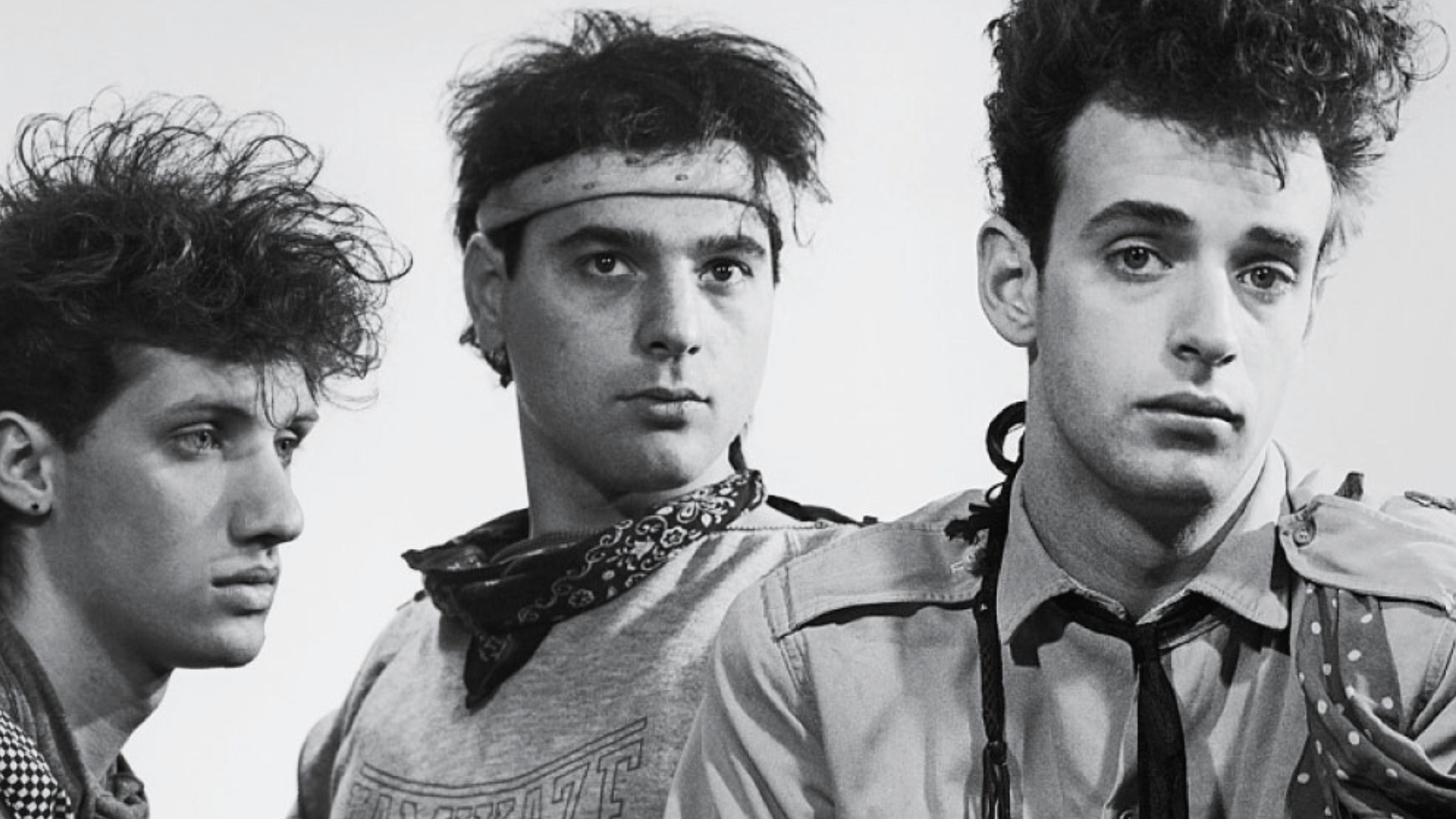
By the 1980s, rock in Spanish had deep roots across Latin America. What changed was its ability to circulate at continental scale.
A generation increasingly encountered bands from across the region as part of a shared cultural conversation rather than only through separate national scenes. Soda Stereo became one of its most visible representatives, touring extensively across Latin America and helping demonstrate how far that audience could travel.
For young listeners accustomed to much of their rock arriving from the United States and Britain, this carried cultural weight.
Modernity, experimentation, style, and rebellion could sound just as powerful in Spanish.
Rock en español became more than a genre. It helped create a sense that Latin America could participate in a global cultural form while sounding unmistakably like itself.
CITY POP
Aspiration in stereo
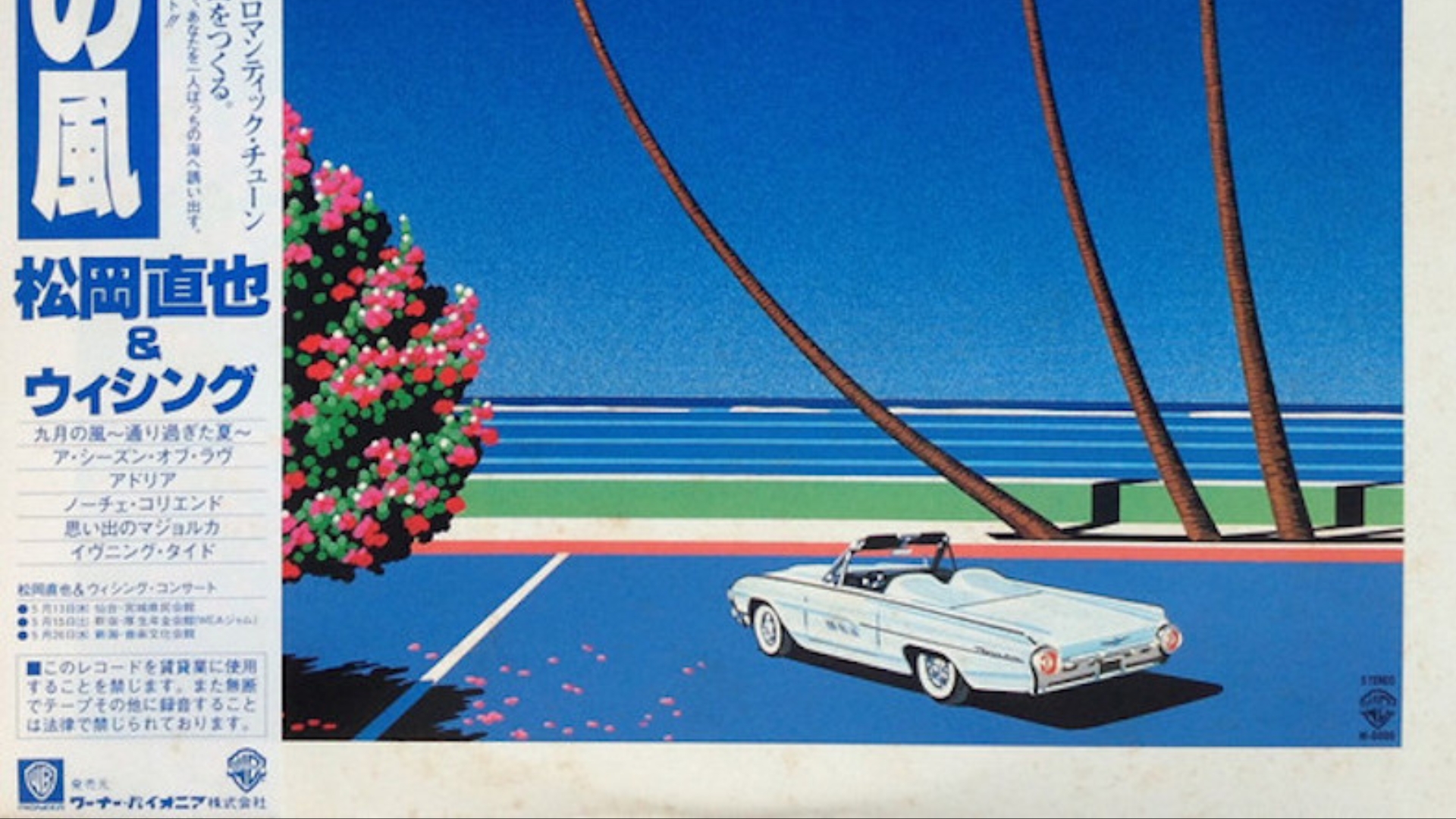
City Pop captured a very different historical mood.
Its roots reach into 1970s Japan, but the sound flourished in the 1980s alongside the country’s growing economic confidence.
Artists such as Tatsurō Yamashita and Mariya Takeuchi became associated with a polished urban world of romance, driving, nightlife, leisure, and metropolitan life. Drawing on soul, funk, jazz fusion, disco, and soft rock, the music conveyed an atmosphere of a future that felt sleek, mobile, and abundant.
Decades later, City Pop found a new global audience online, often heard by younger listeners as an imagined retro-future.
For those who first encountered it in Japan, it still carries traces of an era of aspiration and possibility.
KWAITO
A generation finds its language
In South Africa, another musical movement emerged during the transition out of apartheid.
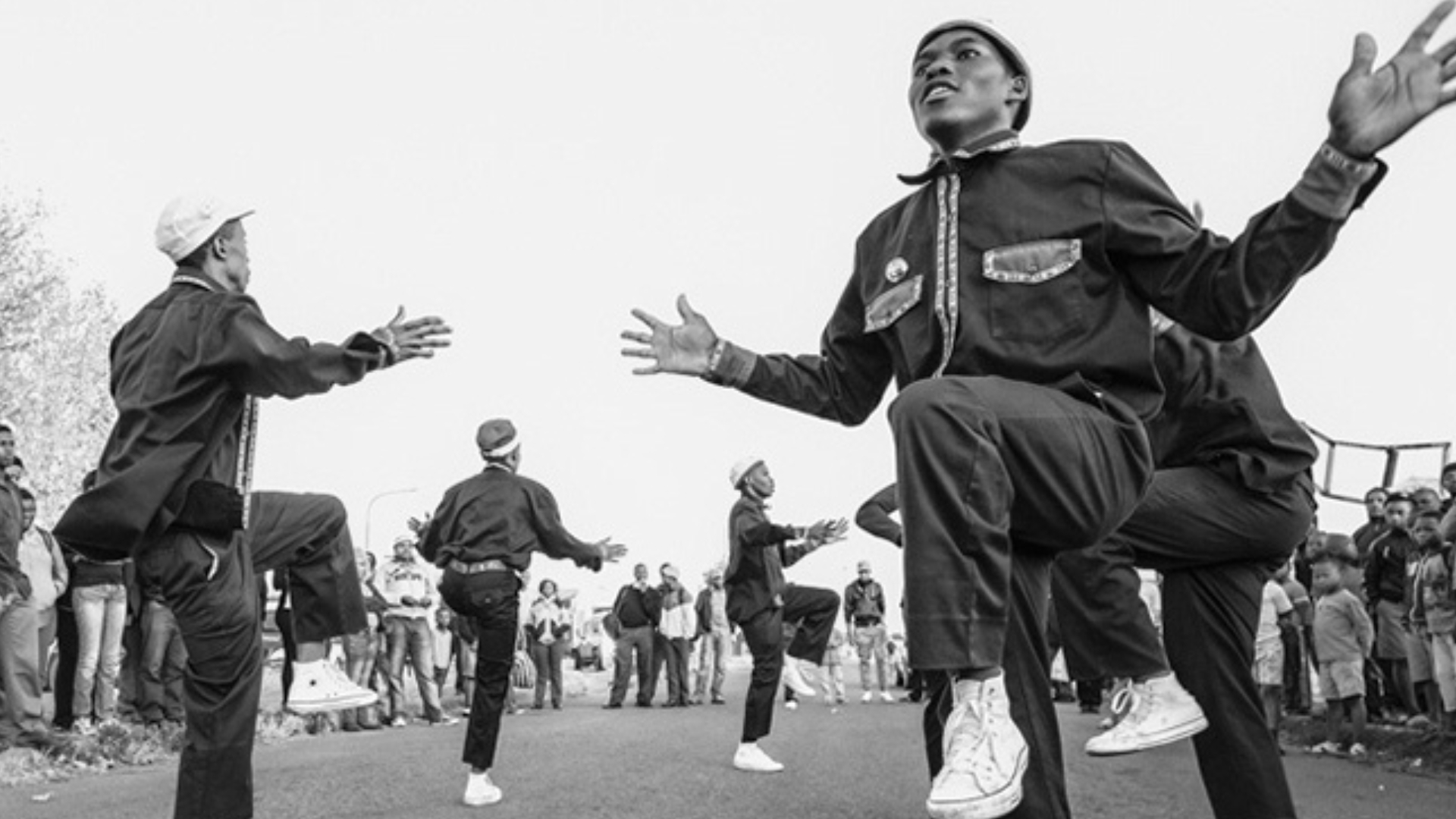
Kwaito developed in the early 1990s from house music, local musical traditions, heavy bass, South African languages, and township slang. It quickly expanded beyond music into fashion, dance, radio, and street culture.
Its power was not simply political. Kwaito expressed something more immediate: township pride, pleasure, confidence, and young Black South Africans describing their own lives on their own terms.
A generation entering adulthood as apartheid ended was living through enormous social change. Kwaito gave that transition a cultural language.
It made transformation something that could be heard, worn, danced, and shared.
WHEN CULTURE HOLDS A MOMENT
Rock en español fostered a sense of belonging across borders.
Kwaito gave cultural expression to profound social transition.
City Pop captured an atmosphere of aspiration and economic confidence.
These movements emerged from very different histories, but each became large enough to hold something collective.
That may be one of culture’s most powerful functions. Historical records can tell us what happened. Photographs can show us what things looked like. Music can preserve something harder to document: what a moment felt like from inside it.
Some songs endure because they are extraordinary. Others endure because somewhere along the way a generation began to hear itself in them.
Register for the chance to be invited to apply to The Global Arts Diploma