Creative work often begins inside a set of inherited rules.
A photograph captures a moment. A building occupies space. Dance communicates through movement. A book unfolds across pages.
These rules help define a medium. They also quietly define what creators imagine is possible within it.
One way to escape that boundary is to borrow the rules from somewhere else.
What happens if photography behaves like painting? If architecture behaves like a children’s book? If dance begins using the tools of theatre?
The result is more than mixing disciplines. It changes the logic of the work.
WHEN TWO LANGUAGES MEET
In The Act of Creation, published in 1964, Arthur Koestler used the term “bisociation” to describe a recurring mechanism underlying creative breakthroughs.
Instead of developing an idea entirely within one familiar frame of reference, the mind brings together two systems that normally operate separately. The collision creates possibilities that neither system would generate on its own.
For creators, this offers a useful way of thinking about originality.
A new idea does not always require inventing a new language. Sometimes it comes from importing the grammar of another language.
The creative question changes from What else can I make in this medium? What could this medium learn from somewhere else?
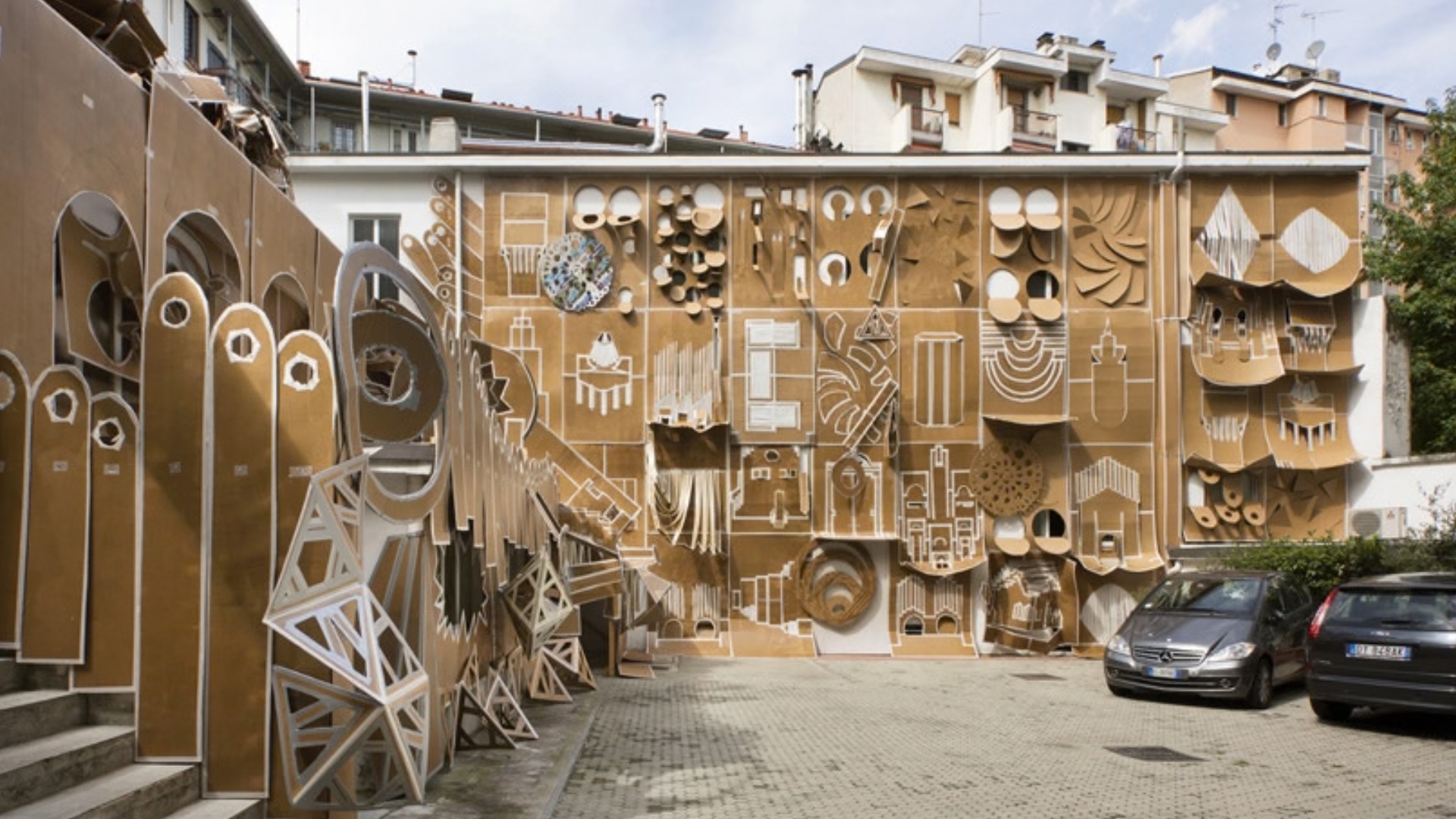
Daniel González, Pop-Up Building Milan
In 2015, Argentine artist Daniel González transformed the façade of Marsèlleria in Milan into a 250-square-meter cardboard installation inspired by children’s pop-up books.
Using cut-and-fold techniques associated with kirigami, González created architectural forms that appeared to emerge from the flat surface. Milanese landmarks, impossible buildings, and surreal structures pushed outward from the façade as if someone had opened an enormous illustrated book.
The scale makes the work spectacular. The creative move underneath it is even simpler.
The logic of a page becomes the logic of a building.
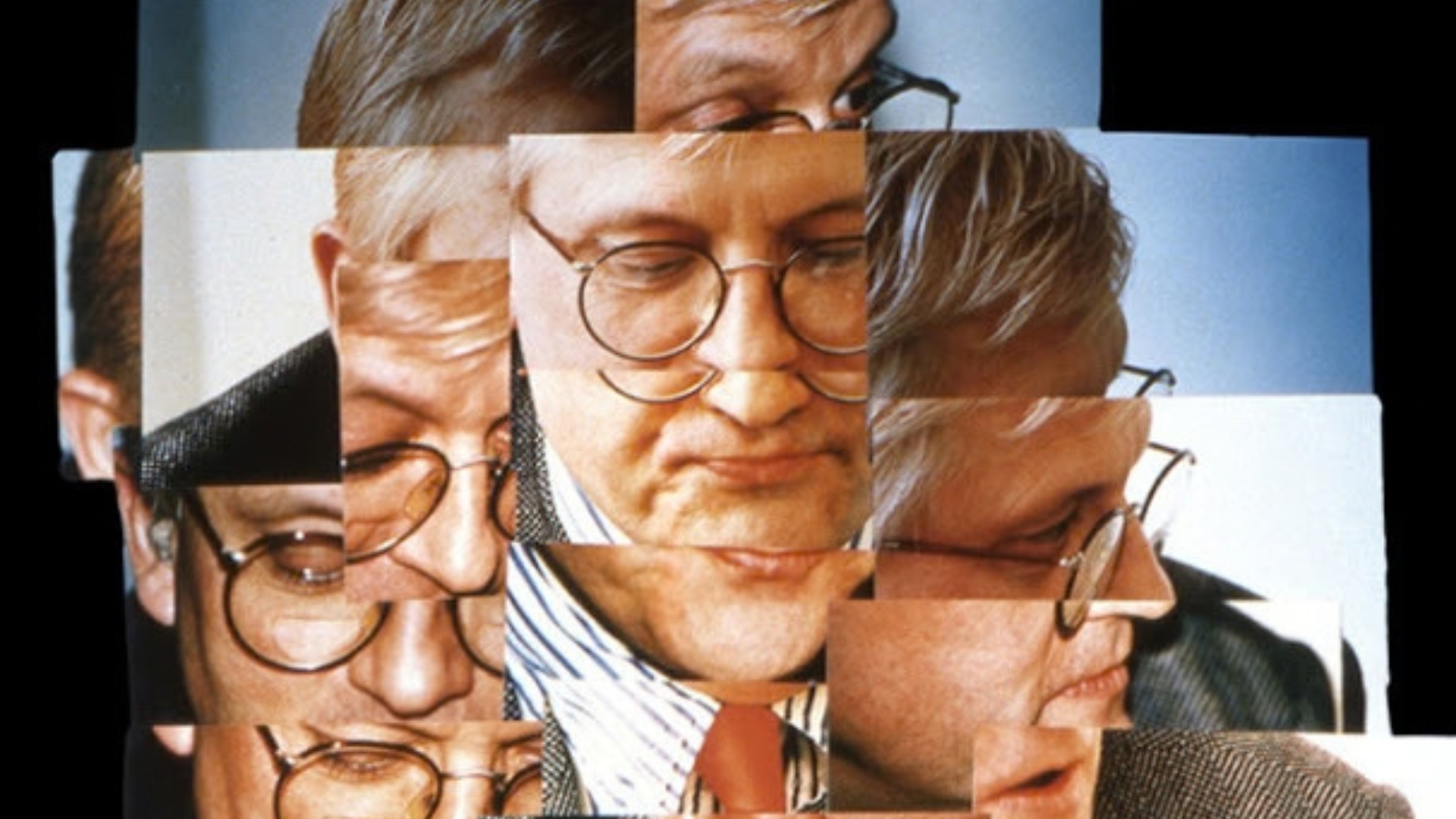
David Hockney, photographic joiners
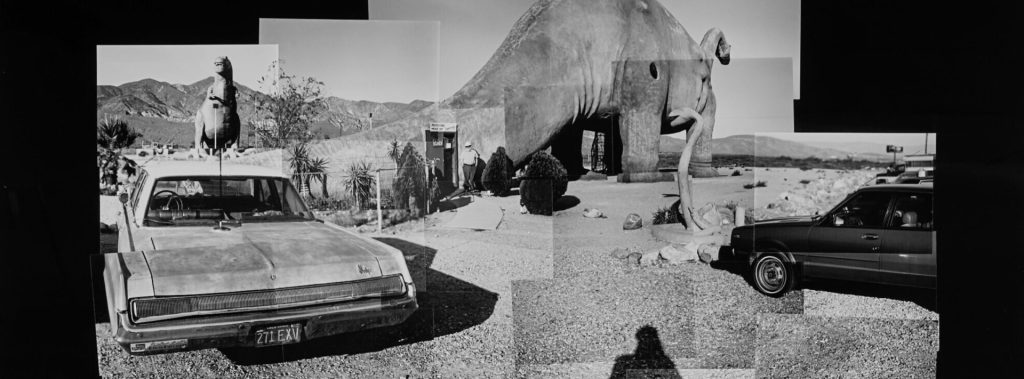
David Hockney became dissatisfied with the way conventional photography fixes a scene from a single viewpoint at a single instant.
His photographic collages of the 1980s approached the problem through another visual language: Cubism.
Hockney assembled many photographs of the same subject, taken from different positions and moments, into a single composition. The resulting “joiners” allowed the viewer to move through space and time rather than encounter one fixed perspective.
Tate connects these works directly to Hockney’s engagement with Picasso and Braque. For Hockney, Cubism offered a way to represent how seeing actually unfolds: through movement, memory, changing viewpoints, and accumulated attention.
Photography began behaving according to rules borrowed from painting.
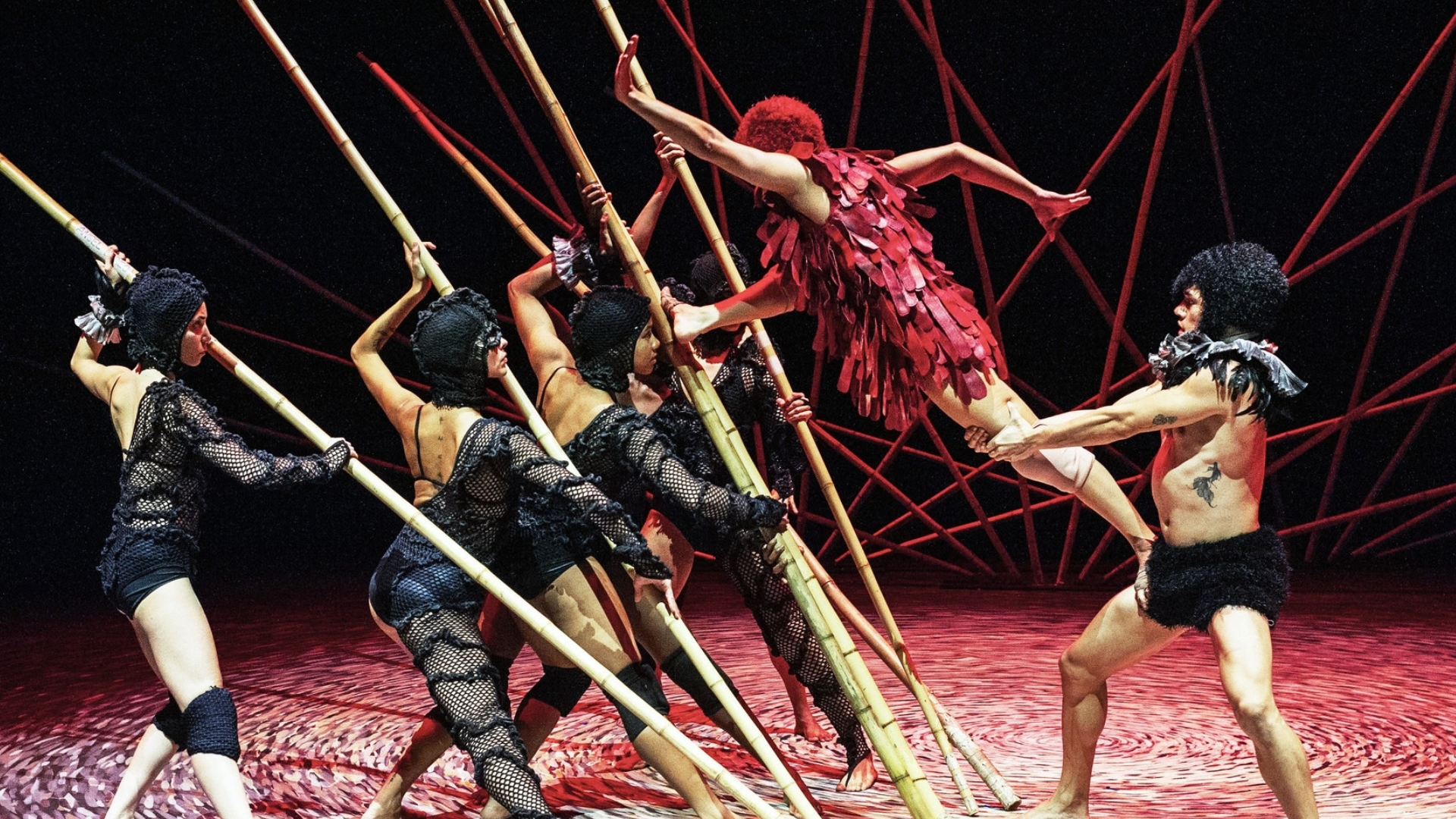
Deborah Colker borrowed from poetry.
For Cão Sem Plumas, Colker began with João Cabral de Melo Neto’s 1950 poem about Brazil’s Capibaribe River. Rather than simply illustrating its story, she translated its poetic language into bodies, texture, and movement. The river becomes a physical force; mud coats the dancers; human bodies merge into landscapes and collective forms. Images that existed first as metaphors become choreographic material.
A way of constructing meaning in poetry becomes a way of constructing movement onstage.
The method helped define the form her work would take for decades. Dance acquired possibilities from theatre without losing its physical language.
BORROW SOMETHING ELSE’S LOGIC
Creators often seek originality by exploring new subjects, tools, or ideas.
Another possibility is to change the rules governing what is already there.
A writer might borrow the structure of a musical composition.
A filmmaker might think like a choreographer.
A designer might borrow from theatre.
A musician might organize sound like architecture.
The value lies in the mismatch.
Rules that feel ordinary inside one medium can become strange and generative when transferred into another.
González did not need to invent a new way of folding paper. Hockney did not invent multiple perspectives. Bausch did not invent theatre.
The creative act came from relocating those ideas.
Sometimes originality begins with a new idea.
Sometimes it begins by asking an old idea to behave in a place it has never been before.