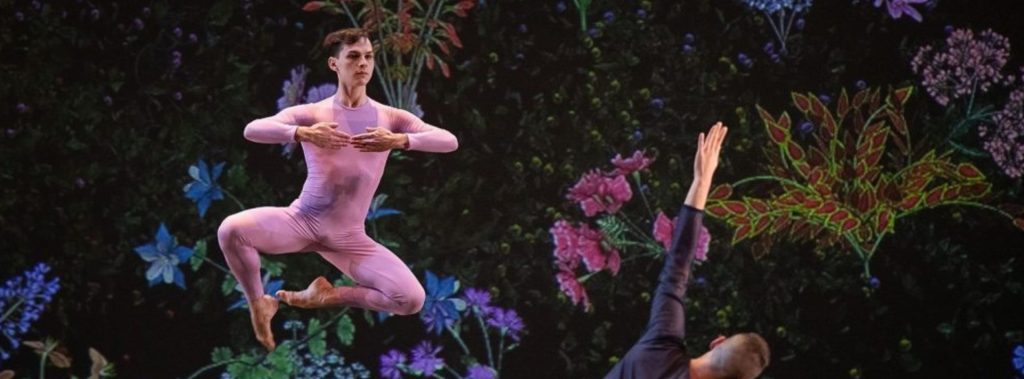
Culture loves beginnings.
New buildings, premieres, exhibitions, festivals, commissions, and launches attract funding, press, and institutional attention. They create visible moments of achievement.
Maintenance attracts far less attention. It happens through repair, documentation, rehearsal, conservation, training, and the steady care of relationships and infrastructure.
These activities rarely generate headlines, yet they determine whether cultural value survives beyond its initial moment.
Artist Mierle Laderman Ukeles identified this hierarchy in her 1969 Manifesto for Maintenance Art. She drew attention to the labor required to keep homes, institutions, and cities functioning, questioning why creation was associated with progress while care and upkeep remained largely invisible.
The same hierarchy shapes cultural organizations today. Leaders are rewarded for growth, expansion, and new initiatives. Funders often prefer projects with clear launch dates and visible outputs. Maintenance is more likely to be classified as administration, overhead, or routine operations.
The result is a maintenance gap: a growing distance between what cultural organizations create and what they can sustain.
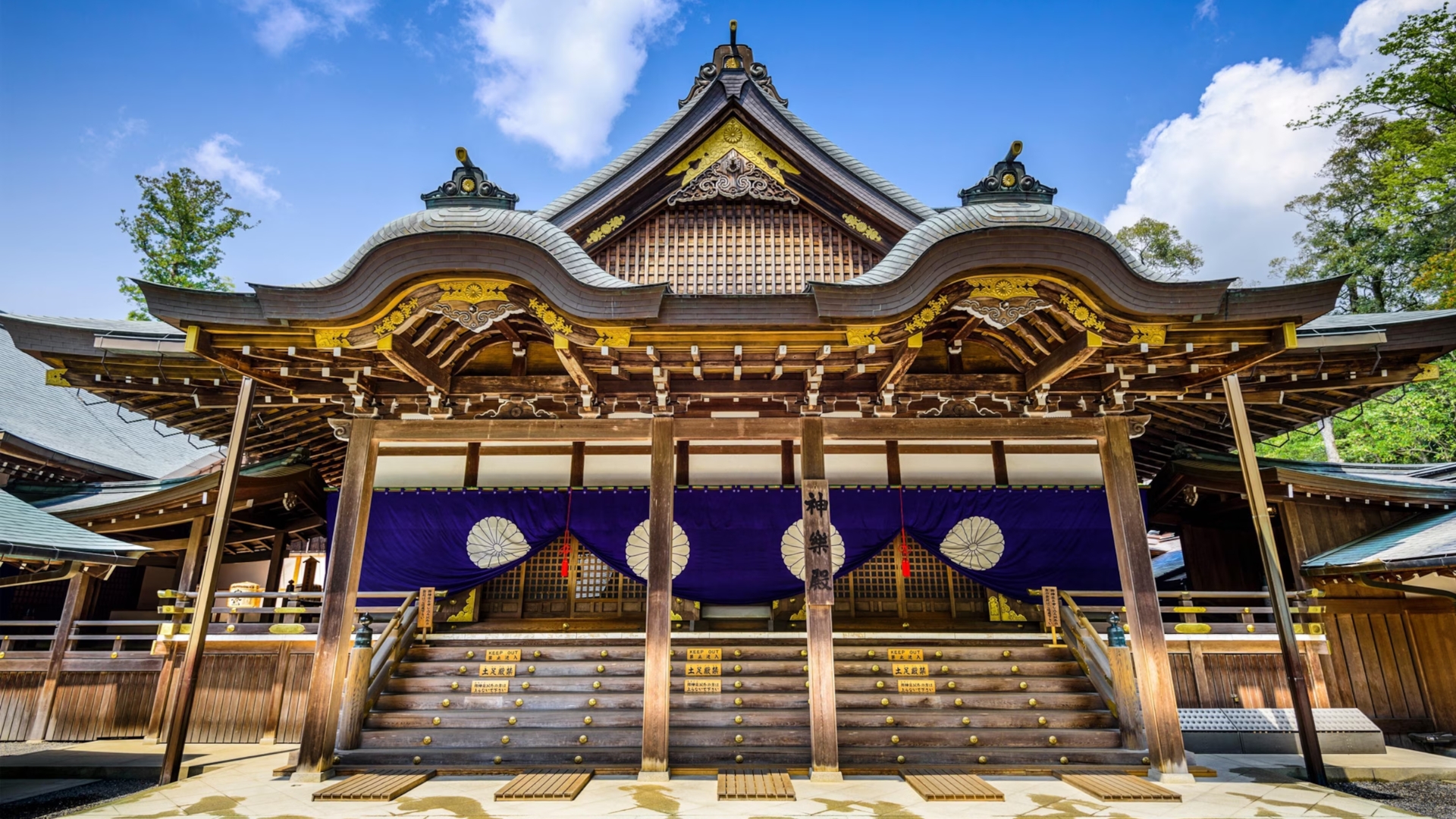
ISE GRAND SHRINE
Maintenance as transmission
At Ise Jingu in Japan, the central sanctuaries are rebuilt every twenty years through the ritual of Shikinen Sengu. The new buildings reproduce the form and dimensions of the previous structures, while sacred objects and furnishings are also remade.
The practice has continued for more than a thousand years. Its value lies partly in the transfer of knowledge. Each rebuilding cycle requires a new generation of craftspeople to learn the techniques, materials, and rituals involved.
Ise offers a model of continuity based on repeated practice. The physical structure is renewed, while the knowledge required to create it remains active.
This matters for cultural organizations that invest heavily in collections, buildings, and archives while neglecting the people who understand how to interpret, produce, and care for them. Cultural inheritance depends on skills being passed forward, not simply on objects being retained.
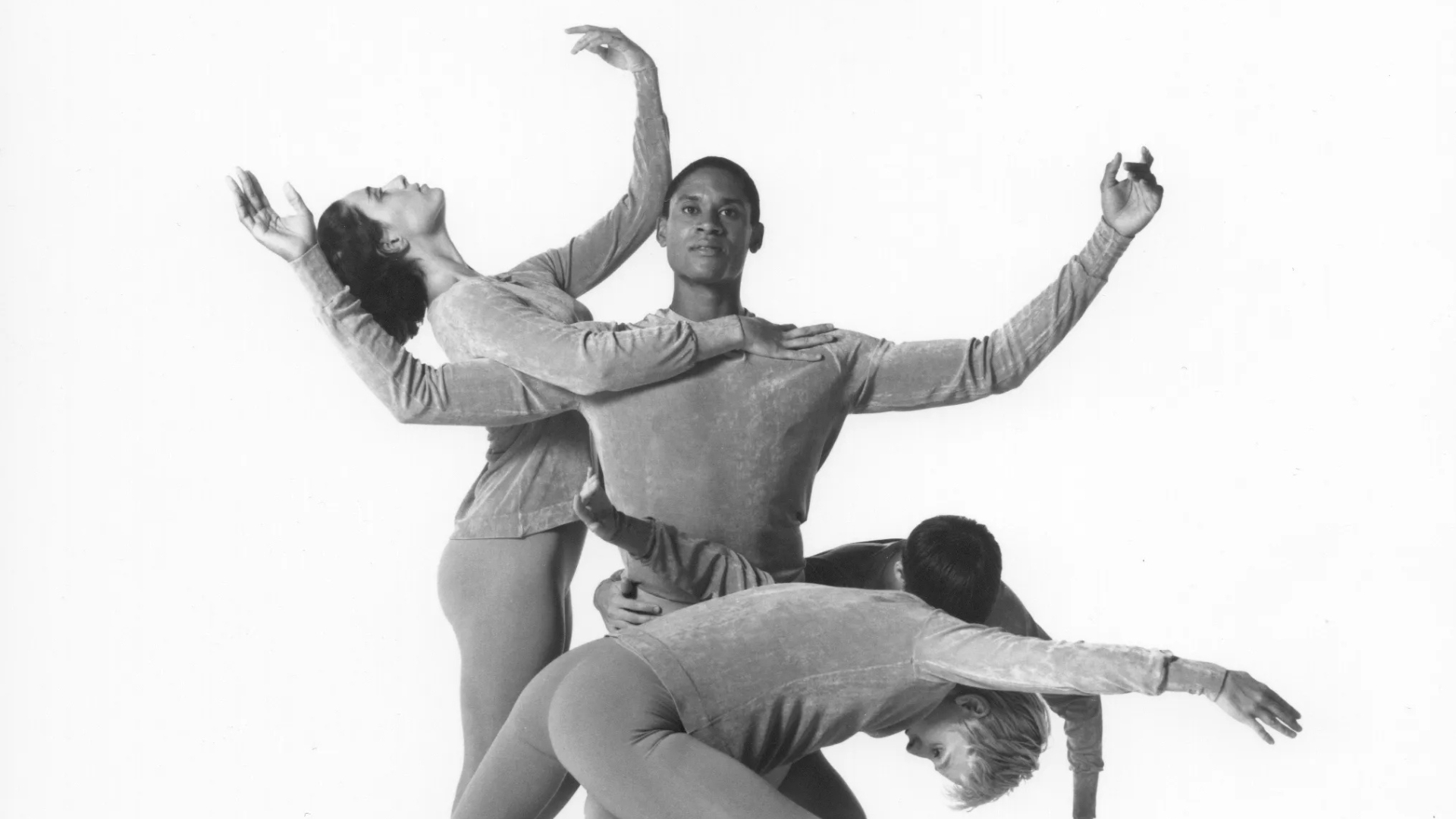
MERCE CUNNINGHAM’S DANCE CAPSULES
Maintenance as activation
Dance creates a different challenge because choreography cannot be preserved through objects alone. It depends on bodies, timing, space, music, costumes, lighting, and interpretation.
Following Merce Cunningham’s death, the Cunningham Dance Foundation developed digital Dance Capsules for 86 of his works. Each capsule brings together performance recordings, rehearsal footage, production notes, music, lighting information, costumes, and interviews.
The capsules allow dancers and companies to study and restage Cunningham’s work as a living repertoire.
They reveal an important distinction. Documentation records that something existed. Maintenance creates the conditions for it to happen again.
Many cultural organizations have archives filled with material that remains inaccessible, underused, or disconnected from current practice. Preserving cultural knowledge requires systems that allow new people to encounter, interpret, and reactivate it.
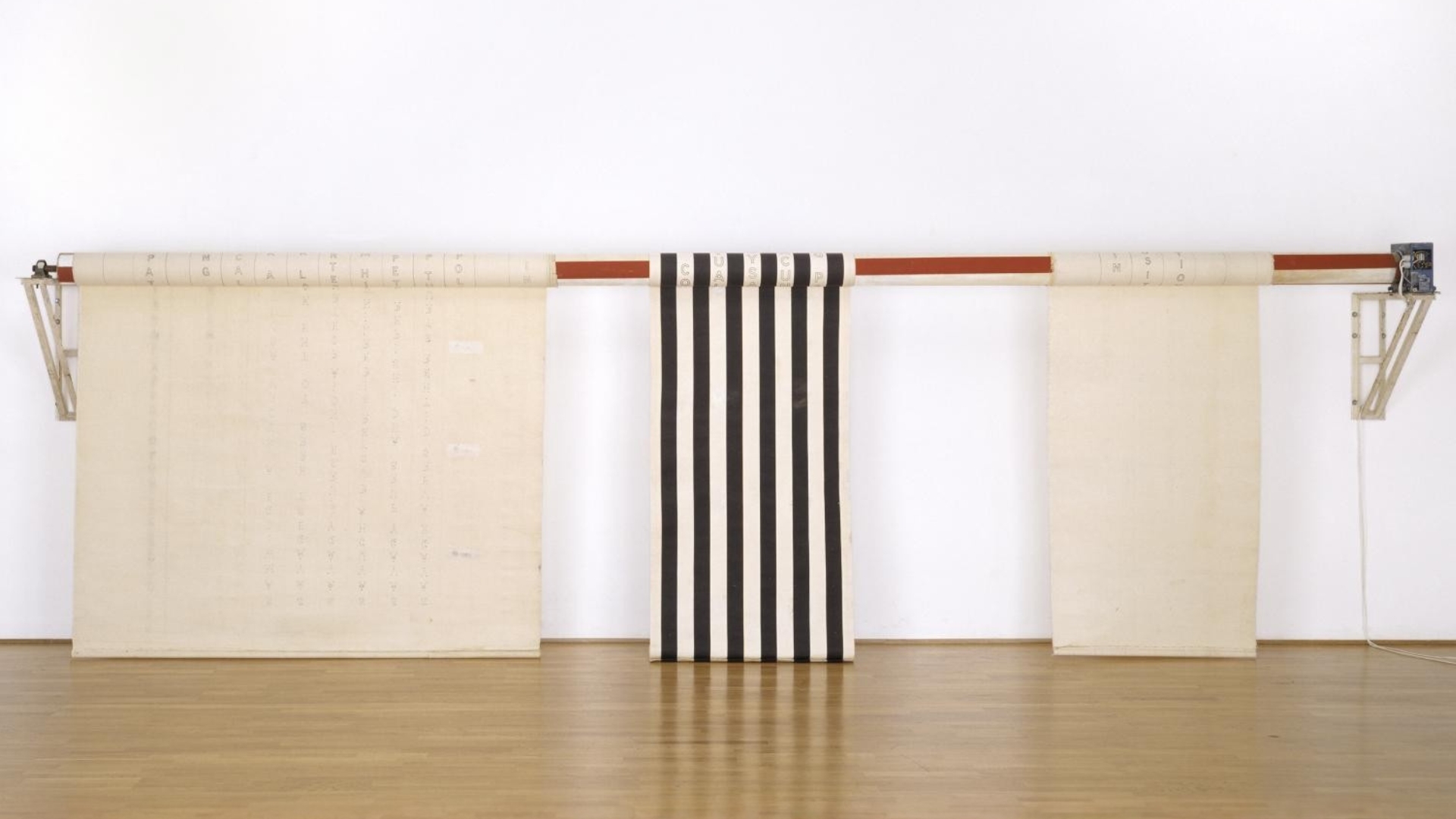
TATE’S TIME-BASED MEDIA CONSERVATION
Maintenance as interpretation
Tate faces another form of instability in its collection of video installations, sound works, software-based pieces, and digital artworks.
These works often depend on equipment and operating systems that deteriorate or become obsolete. Keeping every original component may eventually make an artwork impossible to exhibit. Replacing the technology can alter its appearance, behavior, or meaning.
Conservators must therefore decide which aspects of a work are essential, what can change, and how technological substitutions affect the audience’s experience.
Maintenance in this context requires technical expertise and aesthetic judgment. Every decision influences how future audiences will encounter the work.
The case also demonstrates that cultural continuity sometimes depends on adaptation. An artwork can only remain accessible when institutions understand which elements must be protected and which can evolve.
WHAT CULTURAL LEADERS CHOOSE TO SUSTAIN
Every new cultural project creates future obligations. A building requires care. A program needs stewardship. A commission needs documentation. An archive needs activation. Relationships with artists, audiences, and communities require continuity.
When organizations prioritize launches without funding these obligations, they accumulate initiatives while losing knowledge, exhausting teams, and allowing previous investments to deteriorate.
Maintenance is therefore a strategic capacity. It determines whether skills are transferred, whether work can be reactivated, and whether cultural assets can adapt to changing conditions.
Cultural leaders must look beyond what should be created next. They also need to decide what deserves to remain alive, who will carry that knowledge forward, and what systems will make its future possible.
Creation produces the cultural moment. Maintenance gives it a future.
Register for the chance to be invited to apply to The Global Arts MBA