Most debates about AI and art begin with the finished output.
Who made it? Is it original? Was the machine trained ethically? Will audiences still value work created with computational assistance?
These questions matter, but they miss a shift already visible in performance, music, and visual art. Some artists are building systems that interpret, answer, and introduce results they cannot fully predict.
The creative act becomes a feedback loop. The artist selects the data, designs the conditions, establishes constraints, reads the system’s output, and decides how to respond.
This changes the location of mastery. It expands from technical execution into system design, judgment, improvisation, and the ability to recognize a productive surprise.
JOHANNA SPIEKER’S DANCING WITH LORA
The system as an interpreter
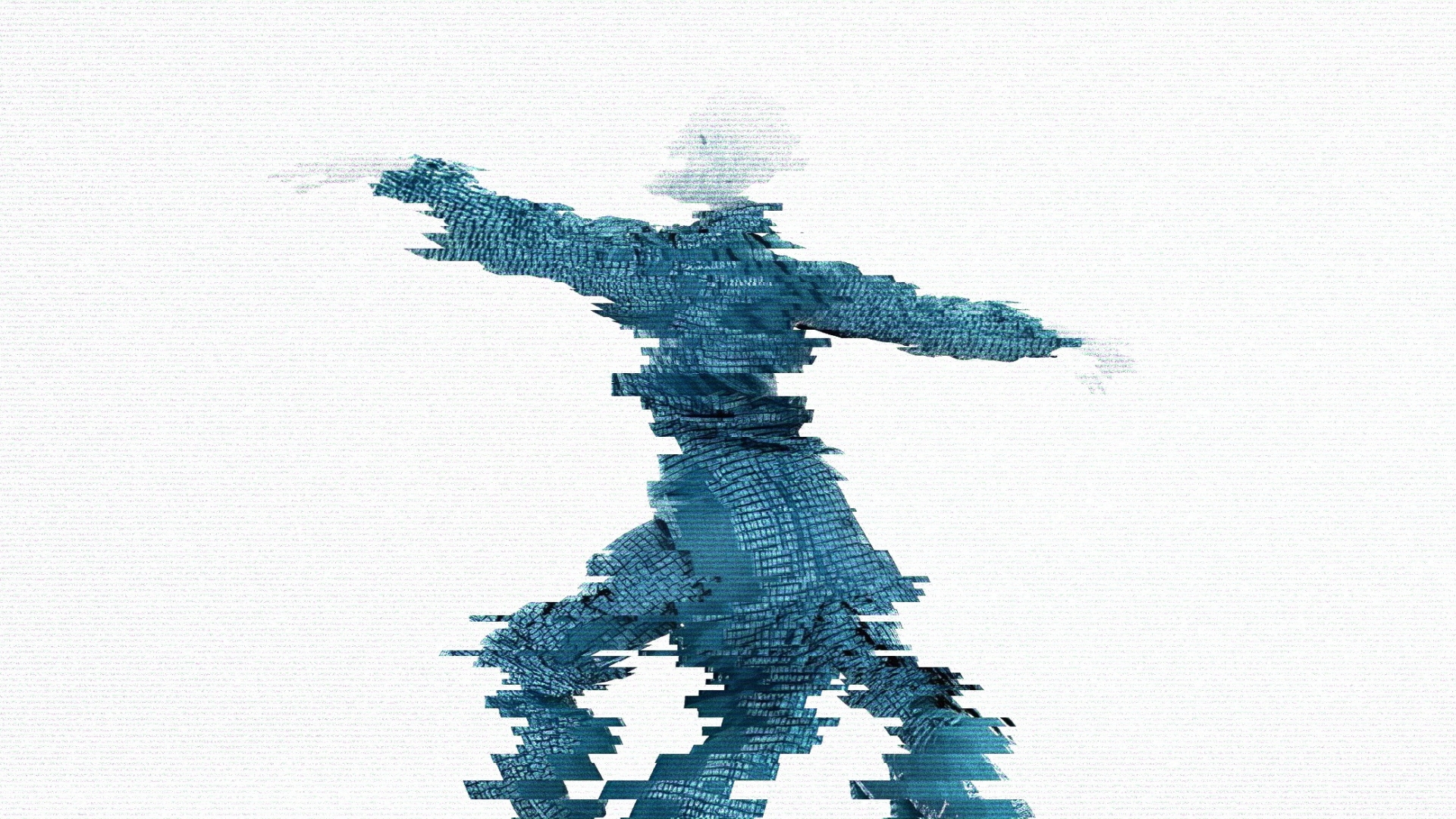
Developed during a four-week residency at RedSapata and Sonnensteinloft, Johanna Spieker’s dancing with LoRA explores the relationship between human movement and its interpretation by artificial intelligence.
LoRA is a technique that adapts a pretrained model using a smaller set of trainable parameters. Spieker used it to create a customized model around the project’s particular movement language.
Movement passes through the model and returns altered. Distortion, misreading, and machine hallucination become part of the inquiry. The dancer encounters the body through a form of perception that behaves differently from a camera, a mirror, or a human observer.
Spieker’s project introduces another point of view into the creative process. Its artistic potential emerges from the distance between the original gesture and the system’s reconstruction.
SWITCH ANGEL
The system as an instrument
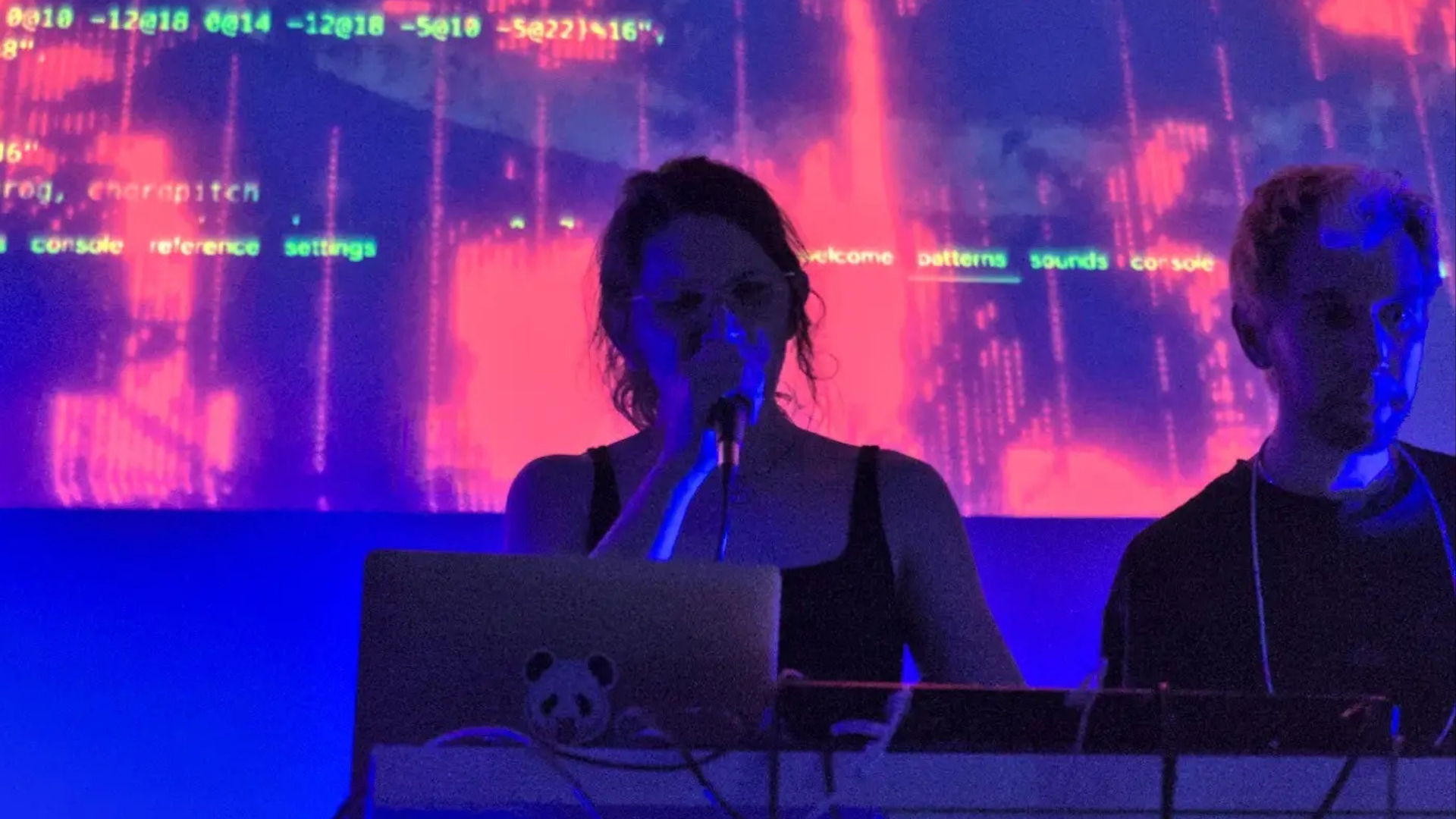
Switch Angel creates electronic music through live coding, changing patterns, sounds, and structures as the music plays. The code remains visible, allowing the audience to witness the track being constructed in real time.
The practice often uses Strudel, a browser-based live-coding environment built around dynamic musical patterns. Its creators describe live-coding tools as instruments activated through programming, with algorithms, unexpected outcomes, and human errors forming part of the creative material.
The performer must understand musical structure and system logic, anticipate the consequences of each intervention, and recover when the code produces an unexpected result.
Decisions, errors, and adjustments become part of the performance. The process carries its own tension because the artist is composing, executing, and responding simultaneously.
SOUGWEN CHUNG’S D.O.U.G.
The system as a collaborator
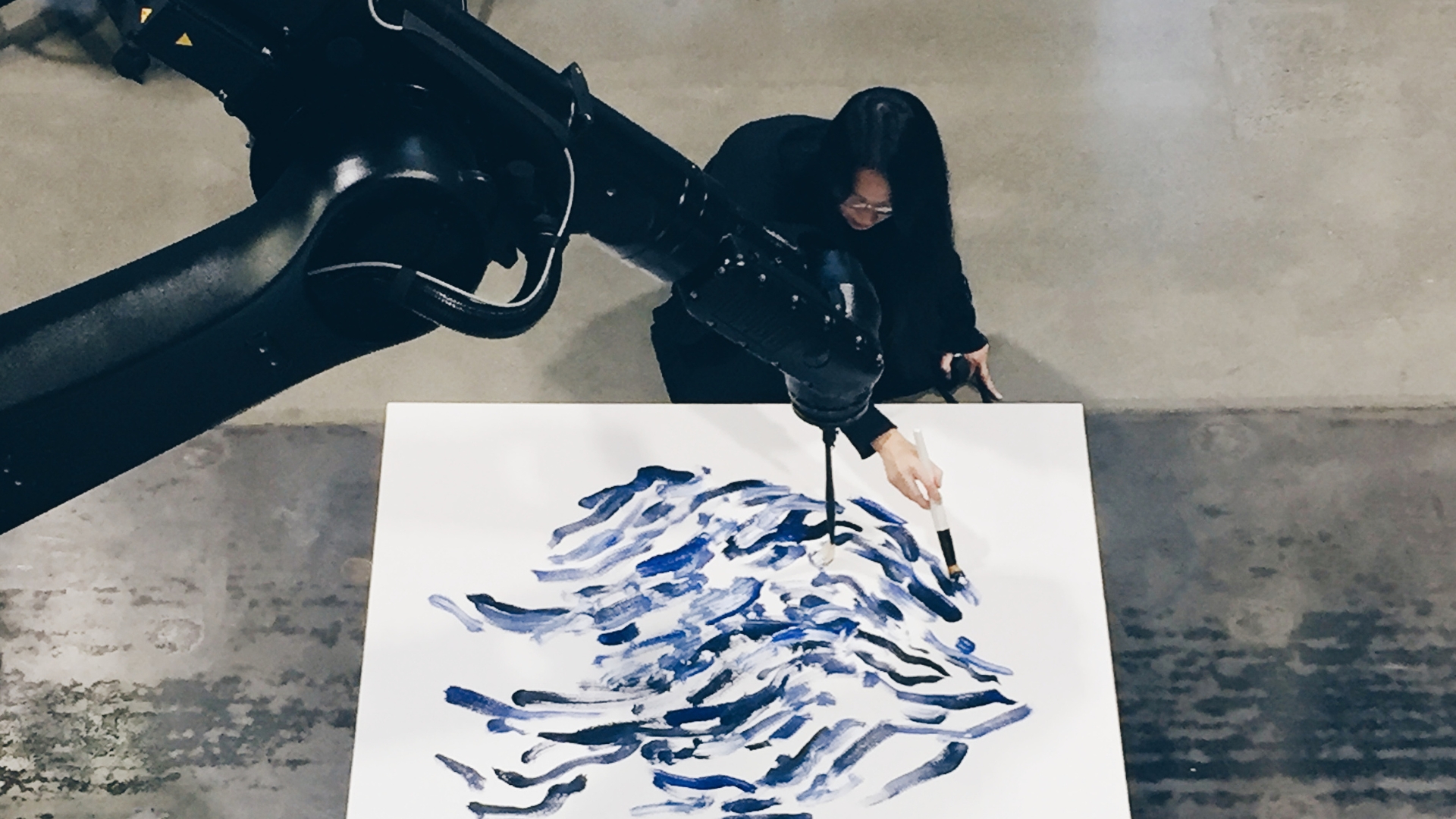
Since 2015, Sougwen Chung has developed Drawing Operations Unit, or D.O.U.G., a series of robotic systems designed to draw alongside the artist.
In MEMORY, a neural network trained on Chung’s archived drawing gestures guides a robotic arm during a live drawing duet. The machine carries traces of the artist’s previous practice and translates them into movements encountered in the present.
Each mark changes the conditions for the next one. Chung responds to the robot, while the robot’s behavior originates in data drawn from Chung’s own visual history.
The work includes the model, the robotic body, the artist’s gestures, and the evolving negotiation between them. The relationship becomes part of the artistic material.
FROM CONTROL TO RESPONSIBILITY
These artists create through different kinds of responsive systems.
Spieker works with machine interpretation. Switch Angel performs computational rules in real time. Chung builds a drawing partner from accumulated gestures and data.
Their practices expand conventional ideas of authorship. Artistic agency can reside in choosing the system, training it, setting its boundaries, interpreting its behavior, and accepting responsibility for what it produces.
This also changes what cultural institutions must support. Technologically ambitious art requires time for experimentation, access to technical collaborators, spaces for rehearsal, and permission to develop processes whose outcomes remain uncertain.
The next frontier of computational art will be shaped by artists who can build meaningful relationships with systems that can respond.
Their mastery lies in knowing when to direct, when to adapt, and what to do with the surprise.
Register for the chance to be invited to apply to The Global Arts MBA