Cultural organizations often explain demand in terms of quality.
A strong exhibition. A prestigious artist. A powerful performance. A respected institution. A carefully designed program.
All of these matter. But they do not fully explain why certain cultural experiences become magnetic.
People do not only desire culture because of what it contains. They often desire it because others do first.
This is the logic behind mimetic desire, a concept developed by René Girard in Deceit, Desire, and the Novel. Girard argued that human desire is often imitative. We learn what to want by watching what others value, pursue, admire, or compete for.
For cultural organizations, this insight is uncomfortable but useful.
Audiences, collectors, donors, tourists, and sponsors are not moved only by intrinsic value. They are also influenced by visible demand, social proof, access, prestige, and a sense of belonging.
Culture has always had a status layer. The question is whether institutions understand how that layer shapes desire.
MODELS IN PRACTICE
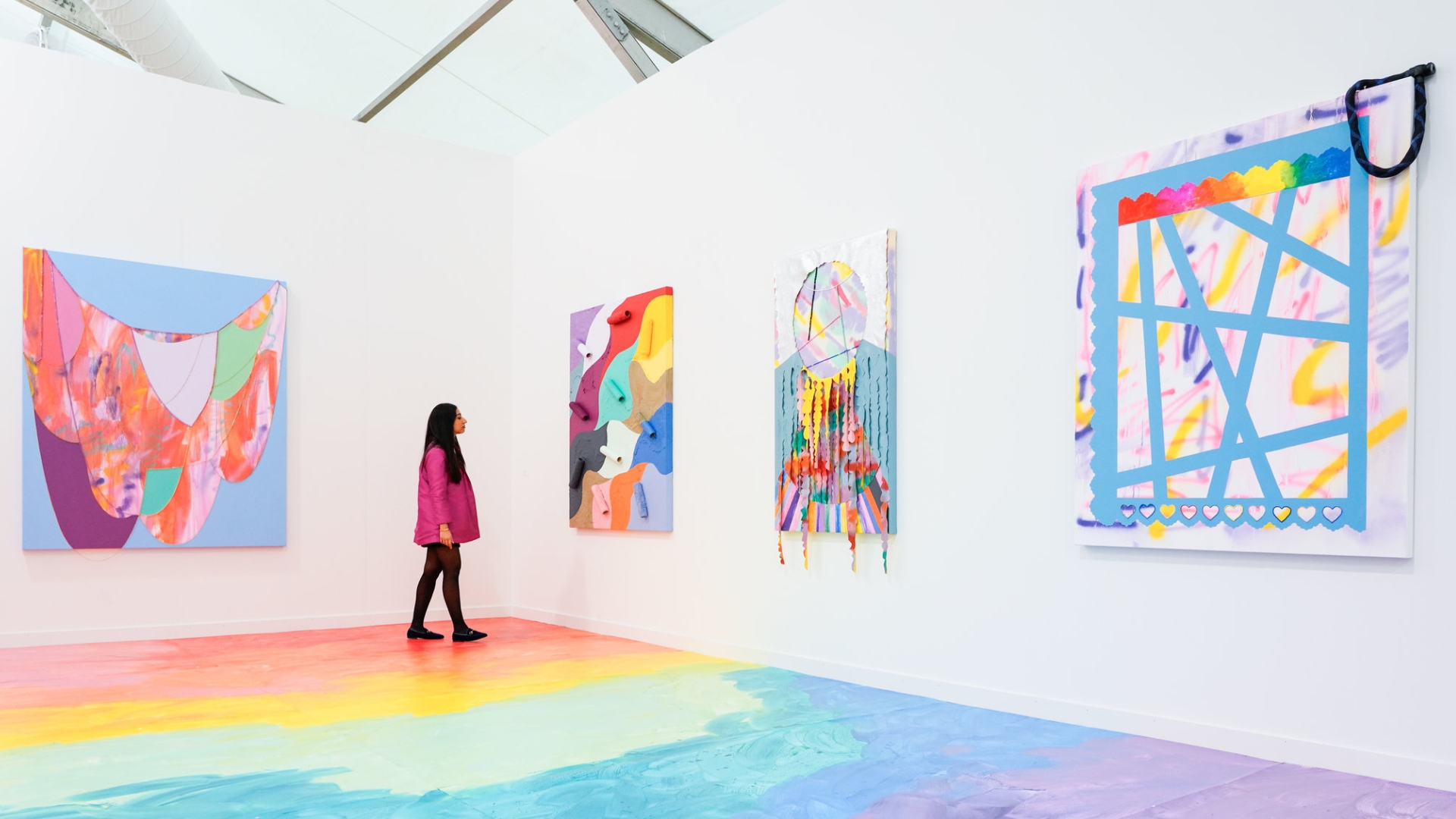
Frieze London — Contemporary Art Market
Frieze London has become one of the world’s most influential contemporary art fairs, bringing together galleries, artists, collectors, curators, critics, and cultural insiders each year.
Its value does not come only from the works on display, but also from the visibility of desire around them.
At an art fair, people look at art, but they also look at who else is looking. A crowded booth, a rapid sale, a collector’s attention, or a curator’s presence becomes part of the signal.
Frieze shows how status can be choreographed. The market is shaped not only by objects, but by the social visibility of attention.
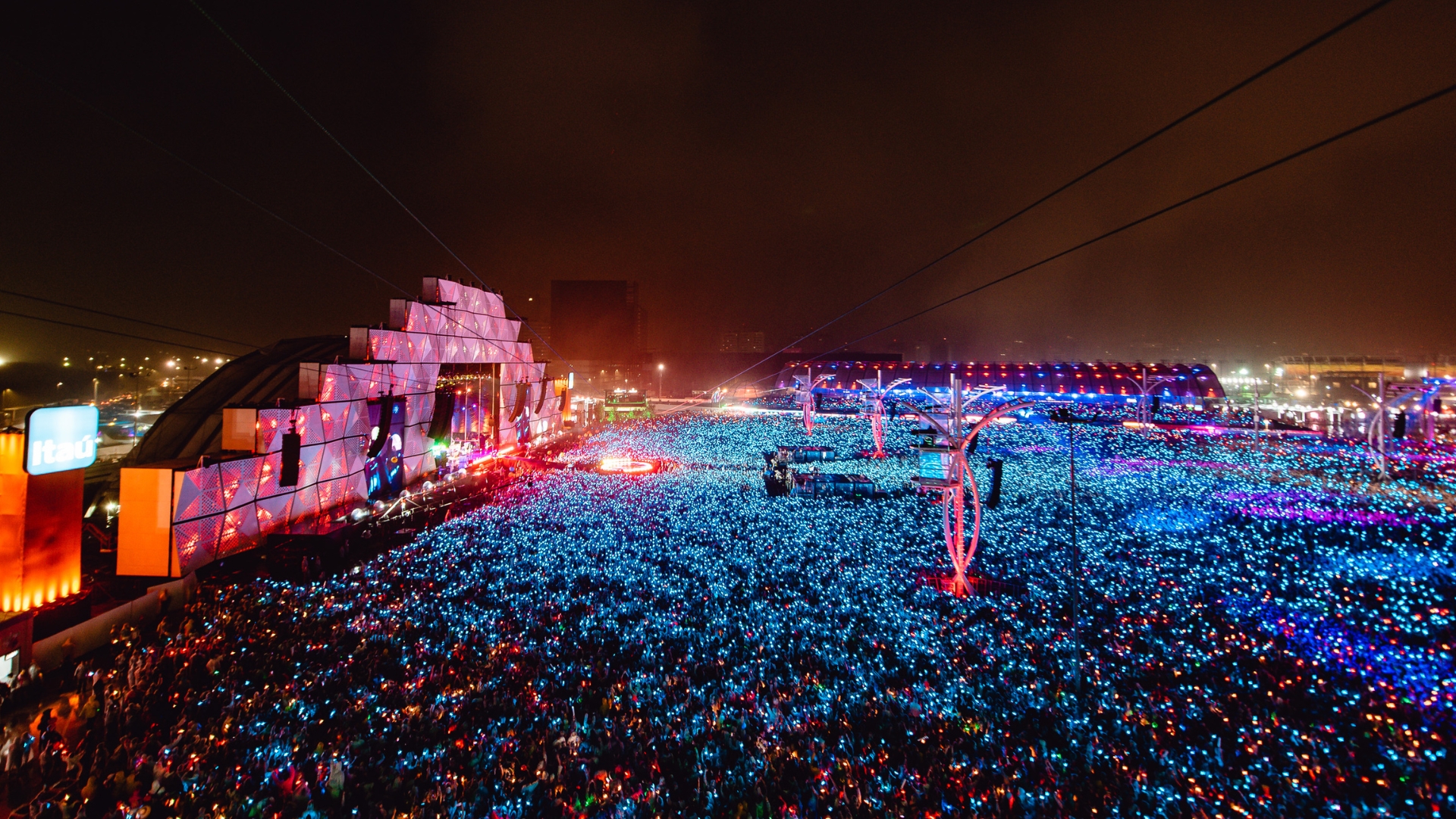
Rock in Rio — Rio de Janeiro
Rock in Rio offers a more popular version of the same mechanism. The festival began in Rio de Janeiro in the 1980s and has grown into one of the world’s largest music and entertainment events. Its status layer does not depend on silence, formality, or elite access. It depends on scale.
At Rock in Rio, the crowd is part of the value. The wristband, the lineup, the photo, the stage, the sponsor activations, and the shared memory of being there all become part of the experience.
The festival turns attendance into social currency. People do not only go to watch performances. They go to participate in a moment large enough to be recognized by others.
Rock in Rio shows that status is not limited to luxury culture. Mass participation can also produce prestige when the experience becomes visible, collective, and culturally recognizable.
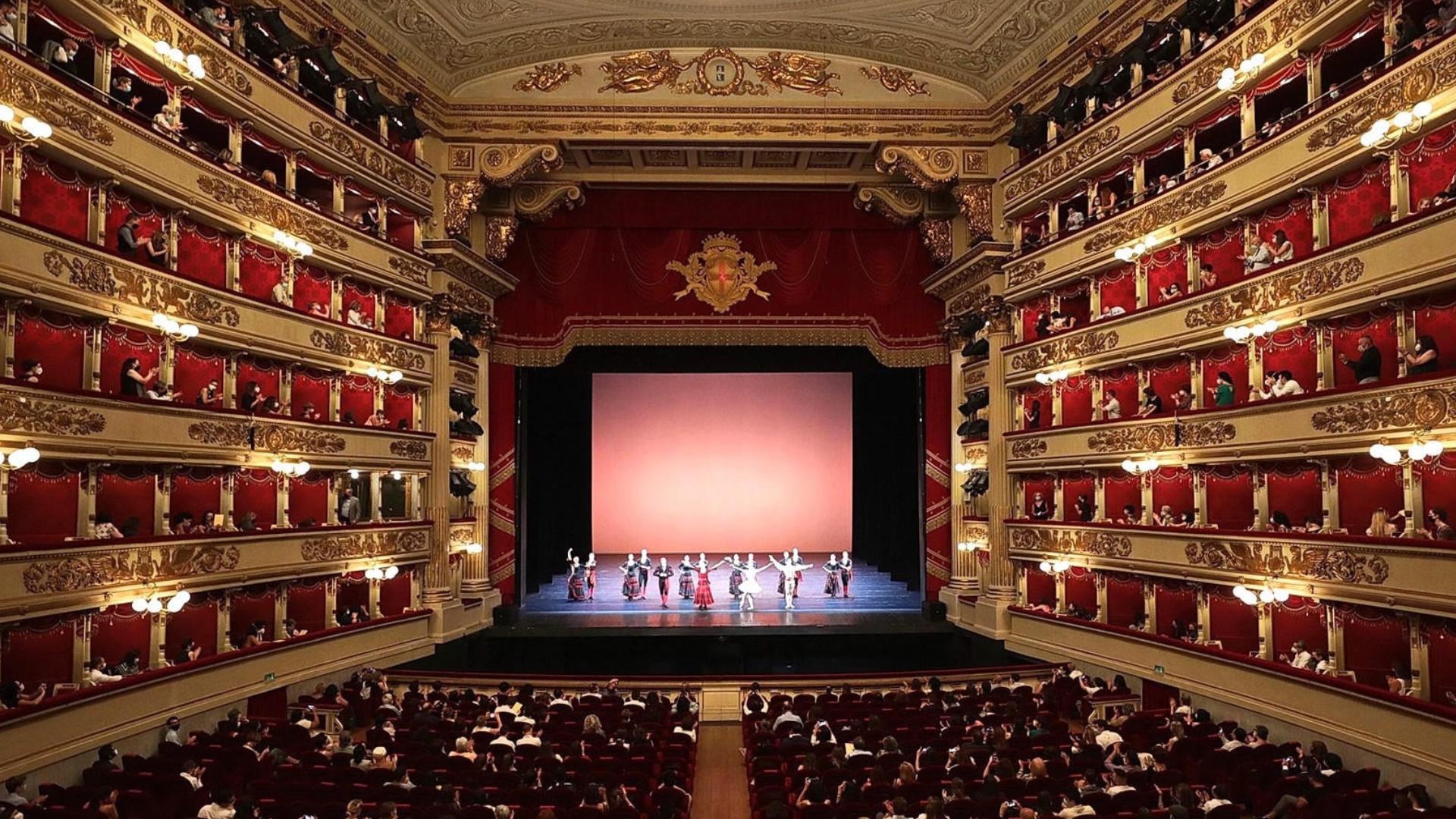
La Scala — Milan
Teatro alla Scala operates through a different status code. The Milanese opera house asks audiences to dress in keeping with the theatre’s decorum. This expectation does more than regulate clothing. It signals the symbolic weight of the experience.
For some audiences, these codes intensify value. Attending La Scala is not simply going to a performance. It is entering a ritual shaped by history, formality, and collective behavior.
But status codes always carry risk. They can create meaning for insiders while creating distance for newcomers.
La Scala illustrates the double edge of cultural status. Codes of belonging can elevate an experience, but they must remain legible enough for new audiences to enter.
DESIGNING VISIBLE VALUE
The status layer is not superficial. It influences demand, pricing, fundraising, media attention, tourism, sponsorship, and institutional reputation.
For cultural organizations, the strategic question is not whether status exists. It already does. The question is how it is being produced.
A sold-out room communicates value. A public endorsement communicates value. A waiting list communicates value. A full plaza, a visible community, a repeated image, or a recognizable opening-night ritual can all make desire easier to imitate.
But status must be handled carefully. When overdesigned, it can make culture feel exclusionary or performative. When ignored, institutions leave one of the strongest drivers of cultural behavior unmanaged.
The goal is not to manufacture prestige artificially. The goal is to understand how people perceive value socially.
Culture is rarely experienced in isolation. People watch what others attend, share, support, photograph, discuss, and remember. They borrow signals from each other. They learn what matters by seeing what others treat as meaningful.
The strongest cultural organizations not only produce programs. They create the conditions under which value becomes visible.
Register for the chance to be invited to apply to The Global Arts MBA