
Stuck? Time to Unlearn
Organizations across sectors are continuously pressed to innovate and adapt. Cultural organizations, in particular, face unique challenges in staying relevant,

Organizations across sectors are continuously pressed to innovate and adapt. Cultural organizations, in particular, face unique challenges in staying relevant,

Podcasting has rapidly emerged as a powerful tool in the arts and creative industries. As of 2025, the global podcast
Imposter syndrome is a persistent sense of self-doubt where individuals, despite clear achievements, feel undeserving of their success. Originally identified

Cities around the globe are redefining urban spaces by repurposing underutilized infrastructure into vibrant cultural hubs. This strategic transformation not

In the rush to capture attention in today’s crowded cultural landscape, it’s easy to overlook one of the most powerful

Not all impact happens in the moment. Some of it builds in advance — quietly, emotionally, invisibly. Long before the

What if cultural organizations stopped planning to get it right the first time? In an industry that still prizes polished

Most strategic plans follow a familiar formula: assess where you are, define where you want to go, and plot a

No matter where you live — whether you realize it or not — you fund the arts. The question isn’t
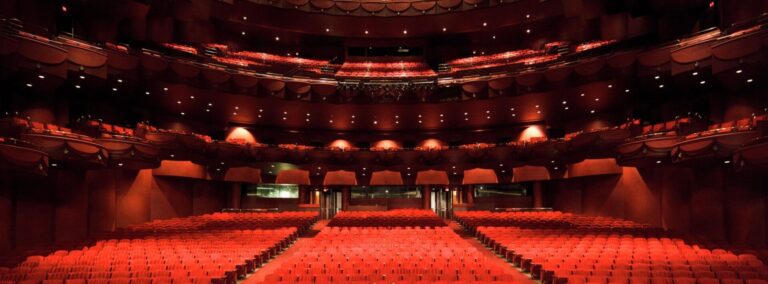
In a few sentences, what does impact mean in the context of your work? The human voice is a powerful
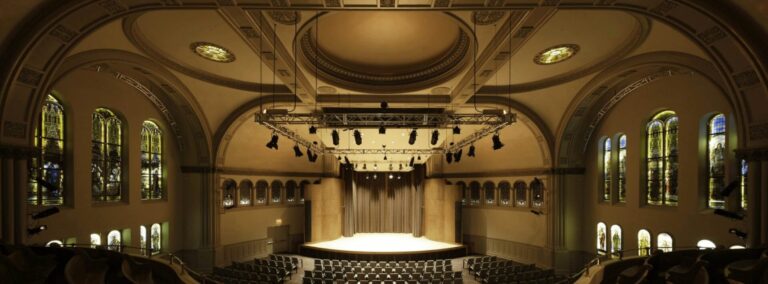
In a few sentences, what does impact mean in the context of your work? The most significant impact that Salle
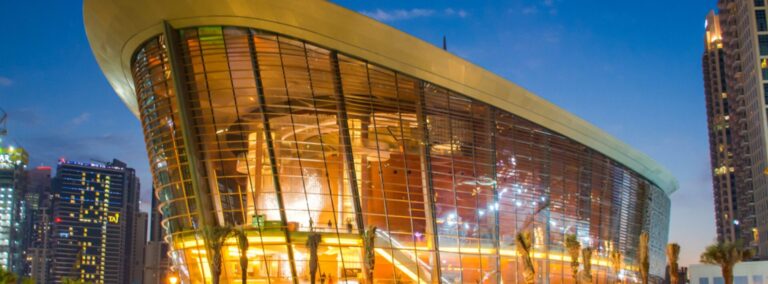
What does impact mean in your work? In my work as Head of Dubai Opera, impact means the multifaceted influence
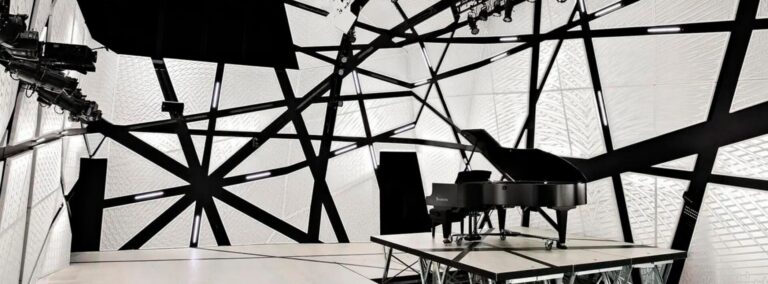
In a few sentences, what does impact mean in the context of your work? In the context of my work,

Thank you very much for joining us today at GLI’s Arts-In-Action Leadership Insights. First, could you please give us a
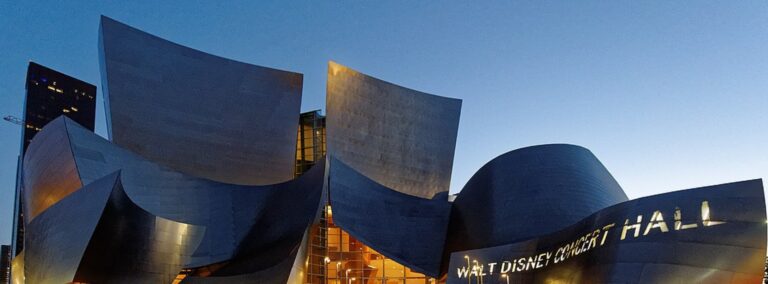
How has your career evolved, and how did you arrive at innovation in artistic programming? For over eight years, I’ve

A Strategic Lens for Understanding How Cultural Organizations Create Value The theory of Jobs to Be Done (JTBD), introduced by

Culture and the silent epidemic of our time Social isolation — particularly among older adults — has become one of

A small theater in Berlin receives multi-year public funding, pays artists union wages, and never relies on ticket sales to

In recent years, cultural institutions have faced a growing set of competing demands: to remain mission-driven while achieving financial sustainability,
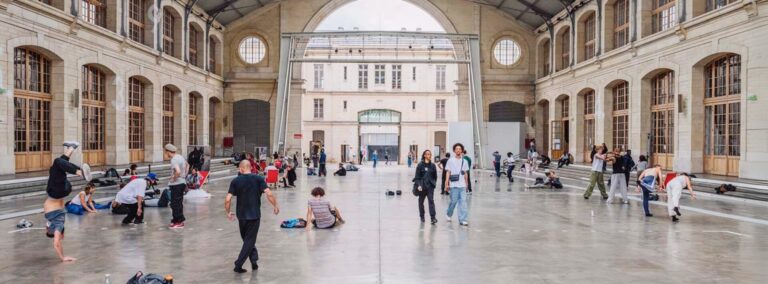
In an era where social connection and community engagement are increasingly valuable, cultural institutions have a unique opportunity to reconsider

As the cultural sector navigates shifting societal expectations, changing audience behaviors, and an increasingly networked world, one design principle has

A thriving creative enterprise isn’t just about talent—it’s about bold leadership, smart strategy, and, most importantly, a powerhouse board that

Cultural organizations often find themselves operating under the weight of limited resources—whether it’s time, money, or staff capacity. Scarcity: Why

The digital revolution has created an unprecedented opportunity for arts administrators, cultural leaders, and creative entrepreneurs to optimize their work.

The “attention economy,” first introduced by economist Herbert Simon, describes how businesses compete for a finite resource: human focus. In

Rick Rubin is not just a legendary music producer—he is considered by many as a philosopher of creativity. In his

Cultural institutions and creative organizations constantly face challenges like limited funding, shifting audience preferences, and technological disruptions. The Theory of

Some cultural organizations are now emerging as labs for innovation. Rather than being solely custodians of tradition, these institutions are
The phrase “Think global, act local,” originally coined by urban planner Patrick Geddes, serves as a guiding principle for addressing

A playwright might craft narratives that evoke empathy, a choreographer may tell stories through movement, and a painter can capture