

The New Hierarchy of Needs: Redefining Purpose for Culture and the Arts

Maslow’s hierarchy of needs has shaped our understanding of human motivation, depicting a progression from basic needs to self-actualization. But as society evolves, so do our collective aspirations. The “new hierarchy of needs” incorporates modern priorities, including environmental responsibility, social connection, and purposeful living. For the creative and cultural sectors, this updated model provides essential […]
NaNoWriMo: Igniting Creativity Beyond Writing

Each November, National Novel Writing Month, or NaNoWriMo, inspires hundreds of thousands of participants worldwide to write a 50,000-word novel in 30 days. Since its inception 25 years ago, this annual event proves that the love for storytelling remains strong even in an age dominated by fast content. For arts organizations, NaNoWriMo offers valuable lessons […]
The Power of the Nighttime Economy: Fueling Culture and Community After Dark
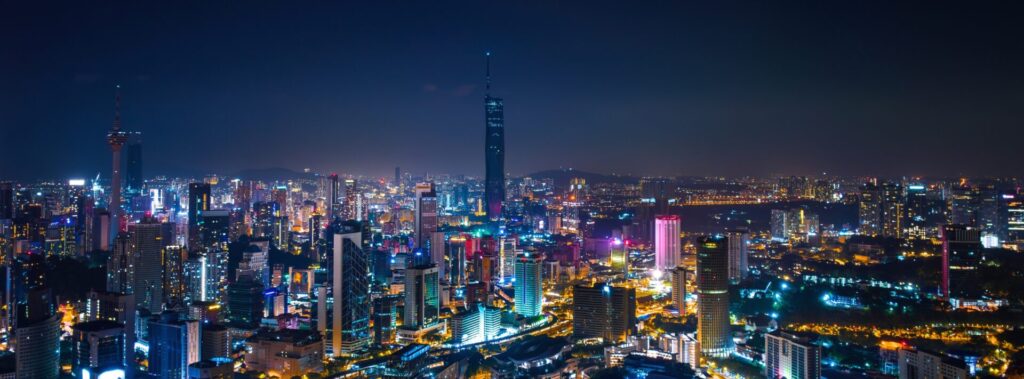
The “nighttime economy” encompasses all businesses and activities that come alive after sunset—from theaters and art galleries to bars and concert venues. Cities worldwide are beginning to recognize the unique economic and cultural value of the nighttime economy as it drives revenue, builds communities, and shapes urban identities. The nighttime economy provides untapped opportunities for […]
Tax Incentives for Culture: A Global Tool for Supporting the Arts

Tax incentives for culture are vital tools for governments aiming to bolster the arts and cultural sectors. These incentives can take various forms and can help transform a country or region’s cultural landscape. Tax incentives for culture can be broadly categorized into three main types: Artist-Based: These include income tax exemptions on earnings from sales […]
When Art Meets Marketing: The Rise of Brand Collaborations with Cultural Institutions
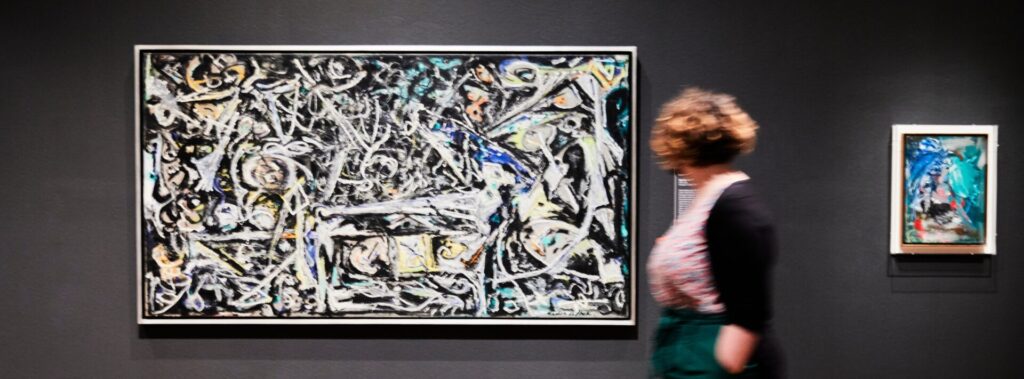
Collaborations between brands and cultural institutions have become more than just a marketing strategy—they reflect the increasingly intertwined relationship between commerce, art, and culture. These partnerships are often designed to leverage the authenticity and prestige of cultural institutions to enhance brand narratives while the institutions gain much-needed financial support and extended reach. Although these collaborations […]
The Evolution of Fundraising: Trends and Opportunities for Cultural Organizations

Over the past two decades, fundraising has undergone a remarkable transformation. Technological advancements, shifts in donor behavior, and evolving organizational strategies have redefined how funds are raised, especially for cultural organizations. Cultural institutions need to be attentive to these changes, adapt to emerging trends, and seize new opportunities. The Changing Landscape of Fundraising Traditionally, fundraising […]
How Incubators are Shaping the Future of Cultural Organizations

Incubators are revolutionizing the cultural sector landscape, bringing fresh perspectives and innovative approaches to the arts. This emerging trend has an impact on how creative businesses operate, fostering an environment that nurtures talent and encourages experimentation. As traditional models evolve, incubators are becoming instrumental in shaping the future of cultural institutions, offering new pathways for […]
Echoes of Change: Fostering Emotional and Physical Well-being in Musicians from Violent Territories
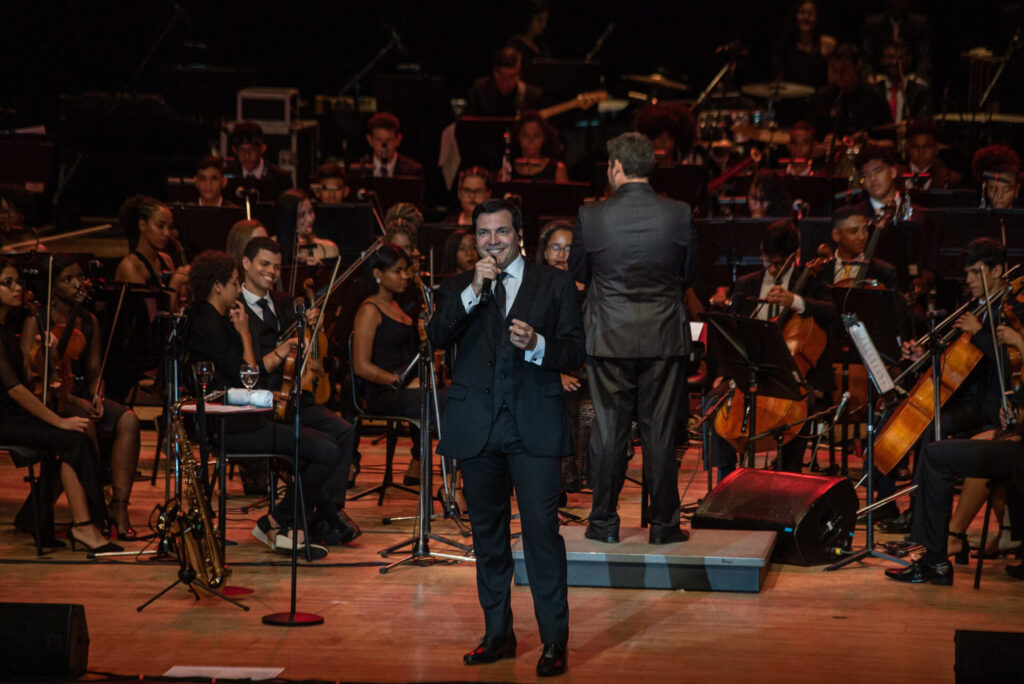
Author: Bella Lordelo Ramos Edited by: Deborah Wanderley dos Santos Bella Lordelo Ramos is a teaching artist in social impact music programs, a Firebird Fellow 2022-3 from Academy for Impact through Music (AIM), and a GLI Young Leaders Fellow 2023-4. AIM is a global innovation lab for changemakers tackling educational inequality through music. The Academy of […]
Asking “How Might We?” for Innovation and Problem Solving

In the world of design and innovation, asking the right questions is often more powerful than providing quick answers. The “How might we?” question has roots in design thinking, a methodology developed by IDEO, a global design firm known for its innovative approach to problem-solving. Design thinking emerged in the 1960s. Its core idea was […]
Hybrid Business Models for Cultural Institutions

Cultural organizations, traditionally reliant on public funding, now face increasing challenges as public expenditure on culture has declined, averaging just 1.2% of national budgets across OECD countries. To ensure sustainability, these institutions are exploring mixed funding models incorporating private investment, sponsorship, and earned income, shifting away from dependence on government support. This diversification is critical […]