

Rethinking Age in the Arts

The future is intergenerational, experience-rich, and longer than ever before. Cultural organizations that continue to ignore the 50+ audience aren’t just overlooking a powerful market. They’re missing the chance to build deeper loyalty, greater impact, and smarter growth. Defining the Field Cultural organizations have invested heavily in attracting younger audiences. In doing so, many […]
Curating Creative Disobedience

Most organizations, no matter the sector, drift into familiar grooves. Decisions get easier when everyone agrees. Risks feel safer when the outcomes are predictable. But comfort has a dark side: stagnation, especially dangerous in moments that demand reinvention. Innovation rarely dies from a lack of talent or imagination. It dies because systems are built to […]
Retention Revolution: rethinking loyalty

For decades, cultural organizations have measured success by attendance: tickets sold and feet through the door. Yet as audience behavior becomes more fragmented and competition for attention intensifies, one-time visits no longer guarantee long-term relevance. Today, the more critical question is not how many people show up, but how many come back. A revolution is […]
Tuned for Life. Early childhood arts

In the rush to capture attention in today’s crowded cultural landscape, it’s easy to overlook one of the most powerful audience segments: children under seven. Often seen as too young to engage meaningfully, they are at the most critical stage of cognitive, emotional, and sensory development. What happens during these early years may shape not […]
The Odyssey Plan, Reimagined for Cultural Leadership

Most strategic plans follow a familiar formula: assess where you are, define where you want to go, and plot a path to get there. But what happens when the future is too uncertain or full of possibilities for a single path to make sense? That’s the question behind the Odyssey Plan, a framework developed at […]
Who’s Picking Up the Tab for Creativity?

No matter where you live — whether you realize it or not — you fund the arts. The question isn’t if citizens support cultural production, but how they do it, and more importantly, who decides what cultural projects deserve support. Understanding the macroeconomics of culture reveals a surprisingly consistent pattern across nations: people are always […]
Can Art Cure Loneliness?

Culture and the silent epidemic of our time Social isolation — particularly among older adults — has become one of the defining health challenges of the 21st century. By 2030, more than half of the population in the developed world will be over 50, double what it was just a few decades ago. As societies […]
Who Pays for the Arts? Global Lessons in Cultural Funding

A small theater in Berlin receives multi-year public funding, pays artists union wages, and never relies on ticket sales to stay afloat. Meanwhile, an equally acclaimed company in New York fundraises year-round just to cover its operating costs, often while creatively piecing together earned revenue strategies to stay viable. The difference isn’t artistic ambition; it’s […]
What If Your Arts Organization Operated Like a Venture Studio?

In recent years, cultural institutions have faced a growing set of competing demands: to remain mission-driven while achieving financial sustainability, to innovate without losing sight of tradition, to broaden access while upholding curatorial excellence. It’s a balancing act few organizations were designed to manage—and legacy models are starting to show their limits. But what if […]
Cultural Institutions as Third Spaces: Beyond gallery walls
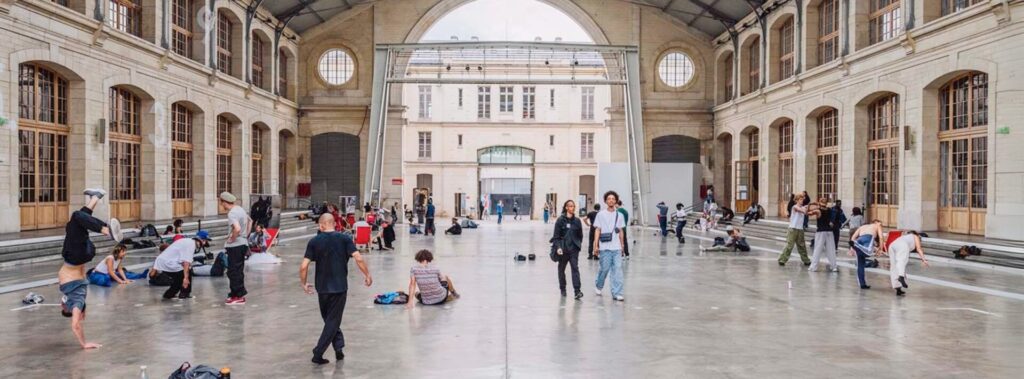
In an era where social connection and community engagement are increasingly valuable, cultural institutions have a unique opportunity to reconsider their role. By positioning themselves as “third spaces,” these organizations can attract new audiences, expand revenue streams, build partnerships, and strengthen community ties. What Are Third Spaces? Sociologist Ray Oldenburg introduced the term “third place” […]