

Loyalty by Design | Subscribing to the creative economy

The subscription economy is built on recurring payments for continuous access. In cultural institutions, this shifts the focus from ticket sales and fundraising drives to sustained engagement. A subscription model transforms audiences into members of an ongoing relationship, while giving organizations predictable revenue and data to guide strategic planning. Why It Matters Cultural leaders […]
Vibe Coding | Is tone the new culture marker?

What Is Vibe Coding Vibe coding is a concept in software development popularized by renowned Computer scientist Andrej Karpathy, that involves using artificial intelligence to generate code from natural language prompts. It describes how framing, language, and atmosphere shape audience perception as much as the content itself. In other words, people respond not only to […]
The Artist Corporation | Rethinking Structures for Creative Work

What Is the Artist Corporation The Artist Corporation is a governance model proposed by Kickstarter co-founder Yancey Strickler. It reframes how creative work is structured, shifting away from hustle culture toward long-term sustainability. The model combines elements of corporate governance with artistic autonomy. Its purpose is to give artists and creative teams tools for decision-making, […]
Are Experiences Enough? Art in the Age of Transformation

Defining the Shift In 1999, B. Joseph Pine and James H. Gilmore introduced the concept of the “Experience Economy.” They argued that organizations could no longer compete on products and services alone. To stand out, they needed to stage memorable experiences that audiences would value as distinct economic offerings. Two decades later, experiences have become […]
Can better design replace direction?

Decisions, Once Removed This concept describes a leadership practice where, instead of answering a specific question, you create a clear rule that lets others answer similar questions next time. You replace one-off approvals with reusable guidance. The effect is compounding. Bottlenecks shrink, teams act faster, and leaders focus on high-value choices. How It Works […]
Can designed disruption save the arts from stagnation?
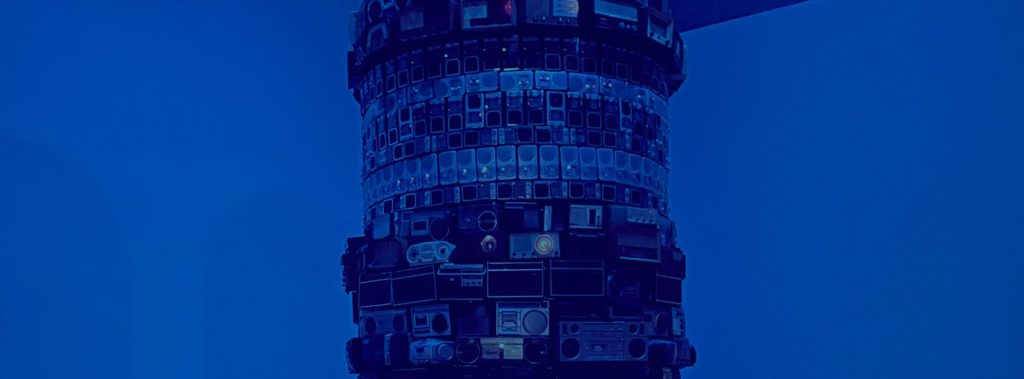
The Provocative Operation is a creativity method introduced by Edward de Bono that encourages the deliberate use of provocative or seemingly illogical ideas to spark new thinking. Instead of relying on incremental improvement, leaders introduce disruptions that force teams to look at problems differently. For cultural enterprises, the technique can help overcome inertia. When organizations […]
Power of The Frame | How context shapes perception in the arts
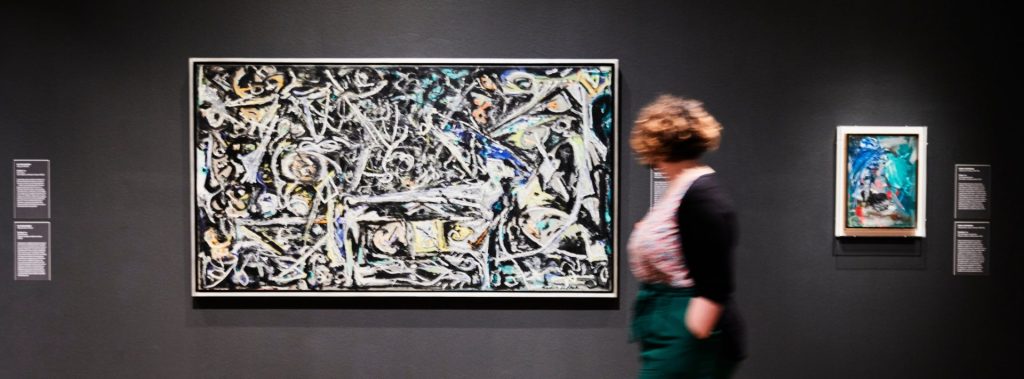
What Framing Means In behavioral psychology, the framing effect describes how the same information, presented in different ways, produces different decisions. People are more likely to choose an option described as a gain than one described as avoiding a loss – even if the outcomes are identical. For cultural institutions, framing is not peripheral. It […]
Cultural Tourism | Arts discovery driver

Defining the Field The UN World Tourism Organization defines cultural tourism as travel driven by cultural attractions — heritage sites, museums, gastronomy, contemporary art, and creative industries. Other agencies, including UNESCO and the OECD, add dimensions of participation, learning, and identity preservation. The common thread is a shift: visitors are no longer passive consumers of […]
Designing for Talkability
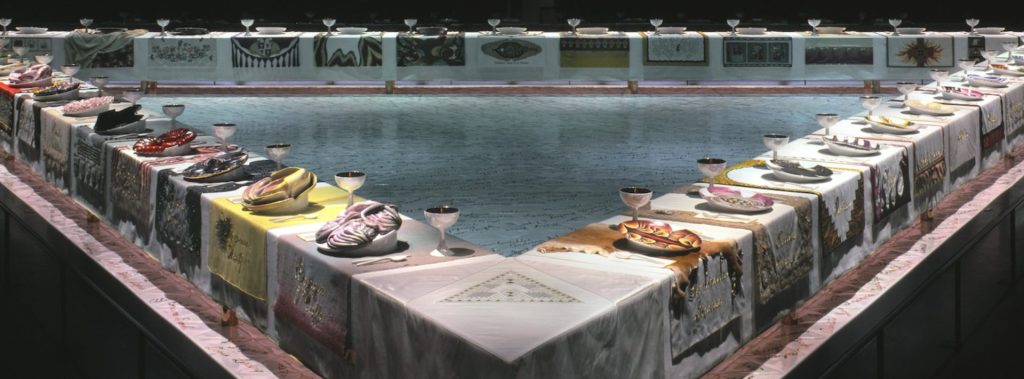
Defining Talkability In crowded media environments, visibility is insufficient. The measure of success is whether culture remains part of conversation after the event ends. Talkability captures this dynamic. It describes the likelihood that a program, exhibition, or performance will be referenced, shared, or debated in everyday life. Talkability differs from virality. Viral content spreads quickly […]
Trigger Cities: Music’s new map
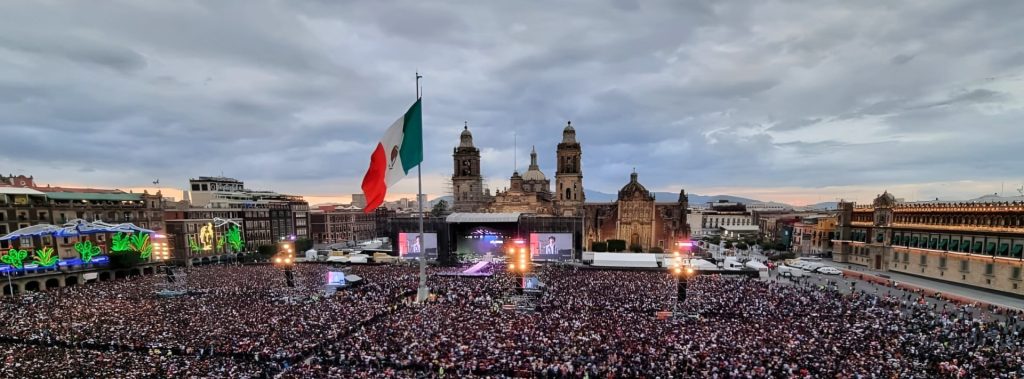
Defining Trigger Cities In the streaming era, cultural influence is no longer concentrated in New York, London, or Paris. Platforms like Spotify, YouTube, and TikTok amplify listening behavior in unexpected places. Cities such as Mexico City, Manila, and Lima now act as accelerators for global music reach. First coined by Chartmetric, “trigger cities” describe urban […]