Imagine arriving alone at a London pub and being handed a percussion instrument. The lyrics to a familiar song appear on a screen. Someone starts singing, and gradually the room joins in. You find yourself keeping time with strangers you have never met. By the chorus, everyone is contributing to what is happening around them.
This is a different proposition from the familiar promise of a great night out: watching talented people do something extraordinary. It invites people to become part of the creative experience.
Audience participation has long been part of cultural life, from communal singing to festivals and theater. What is interesting about participatory projects today is how deliberately they design for it. The invitation, the repertoire, the rehearsal, and sometimes even the content of the work are built around the people who turn up.
Three projects show how far this approach can go.
MUSIC SOCIAL: MAKING IT EASY TO JOIN
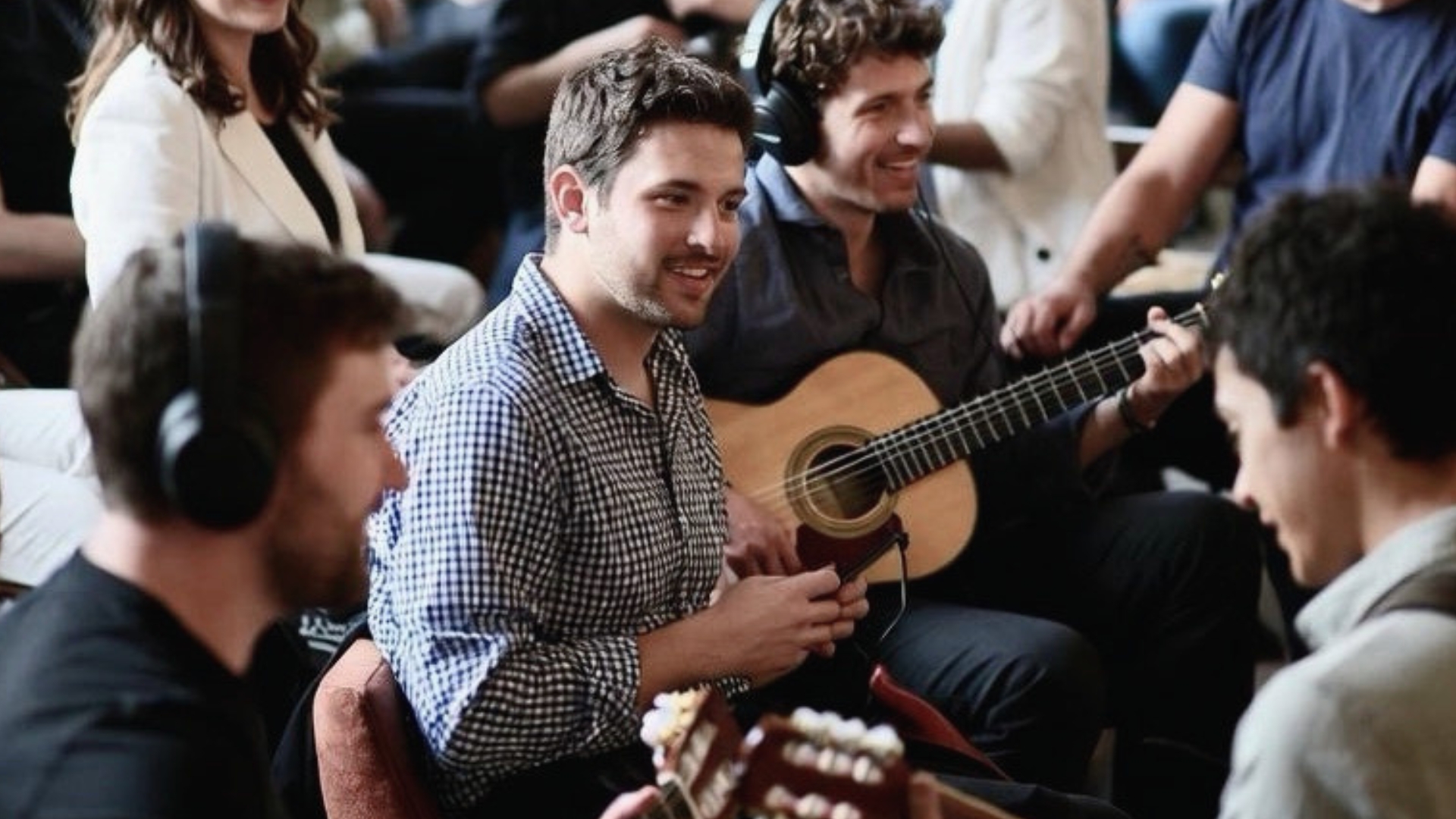
At Music Social in London, guests gather for informal evenings of collective music-making. Facilitators lead songs, lyrics appear on a large screen, and percussion instruments are provided. People can arrive alone, without musical training, and contribute as much as they like.
Those choices are central to the format. Familiar songs reduce uncertainty; shared percussion gives people another way to participate; and nobody has to demonstrate ability before joining. The evening depends on the combined sound of the people in the room, shaped by whoever happens to be there.
CHOIR! CHOIR! CHOIR!: A CROWD FINDS ITS VOICE
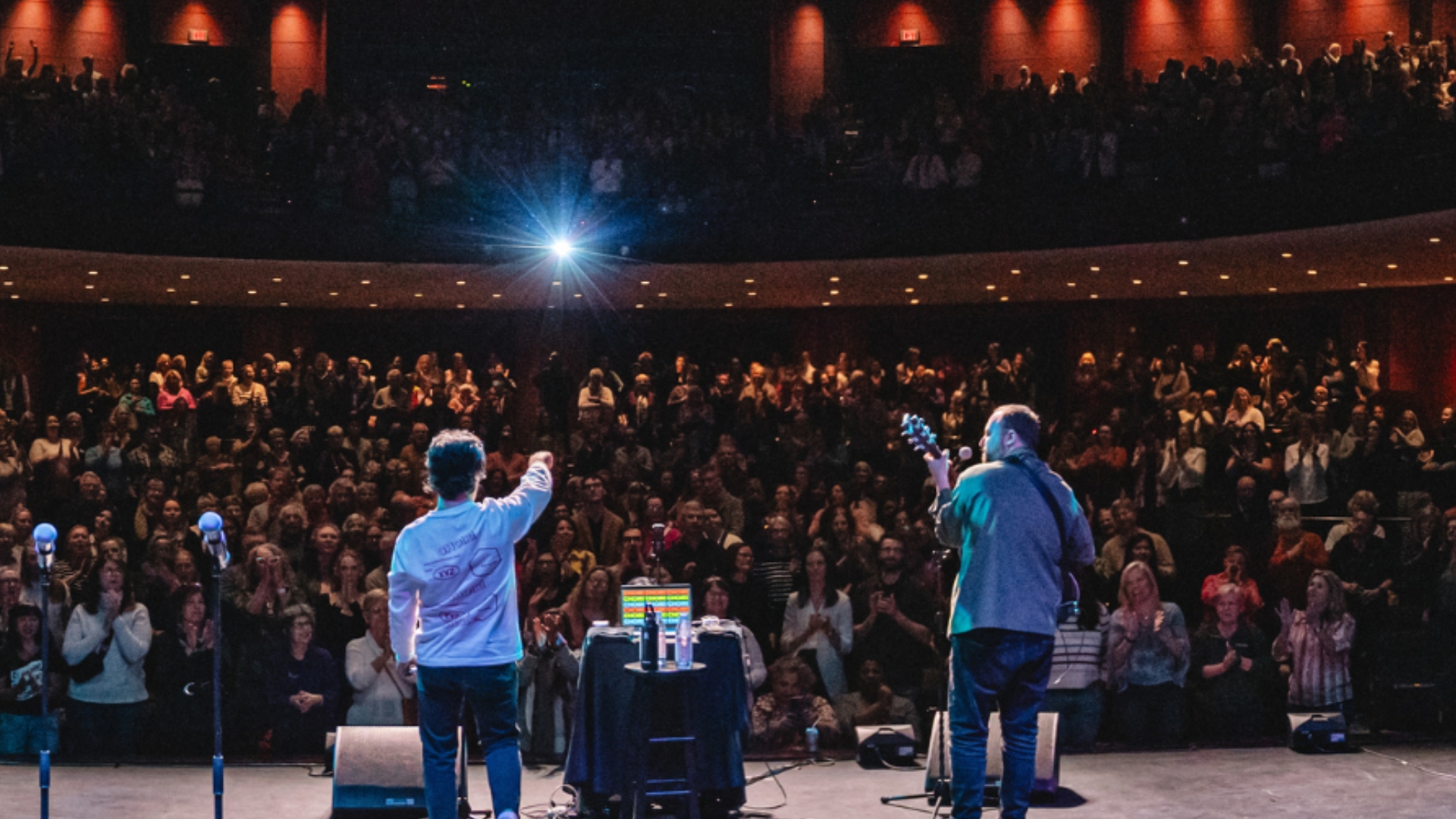
In Toronto, Daveed Goldman and Nobu Adilman launched Choir! Choir! Choir! in 2011 as a drop-in singing gathering. Participants arrive without auditions, learn an arrangement on the spot, and perform together. What began with friends has grown into events in major venues, sometimes featuring well-known musicians.
In January 2016, following David Bowie’s death, more than 550 people gathered at the Art Gallery of Ontario to sing “Space Oddity.” The resulting video traveled far beyond the museum, showing the emotional force of hundreds of ordinary voices coming together in a collective tribute.
The project demonstrates what a crowd can accomplish with a little direction. The musical arrangement provides the structure, while the participants give each performance its character.
There is research suggesting why these experiences resonate. Oxford researchers studying newly formed singing, writing, and craft groups found that participants in singing developed feelings of social closeness more quickly. The other groups caught up over time, but singing appeared to accelerate the initial connection. The researchers called it the “ice-breaker effect.”
Shared creative activity can establish a sense of connection before strangers have even had time to get to know one another.
PUBLIC WORKS: WHEN THE CITY WRITES THE SHOW
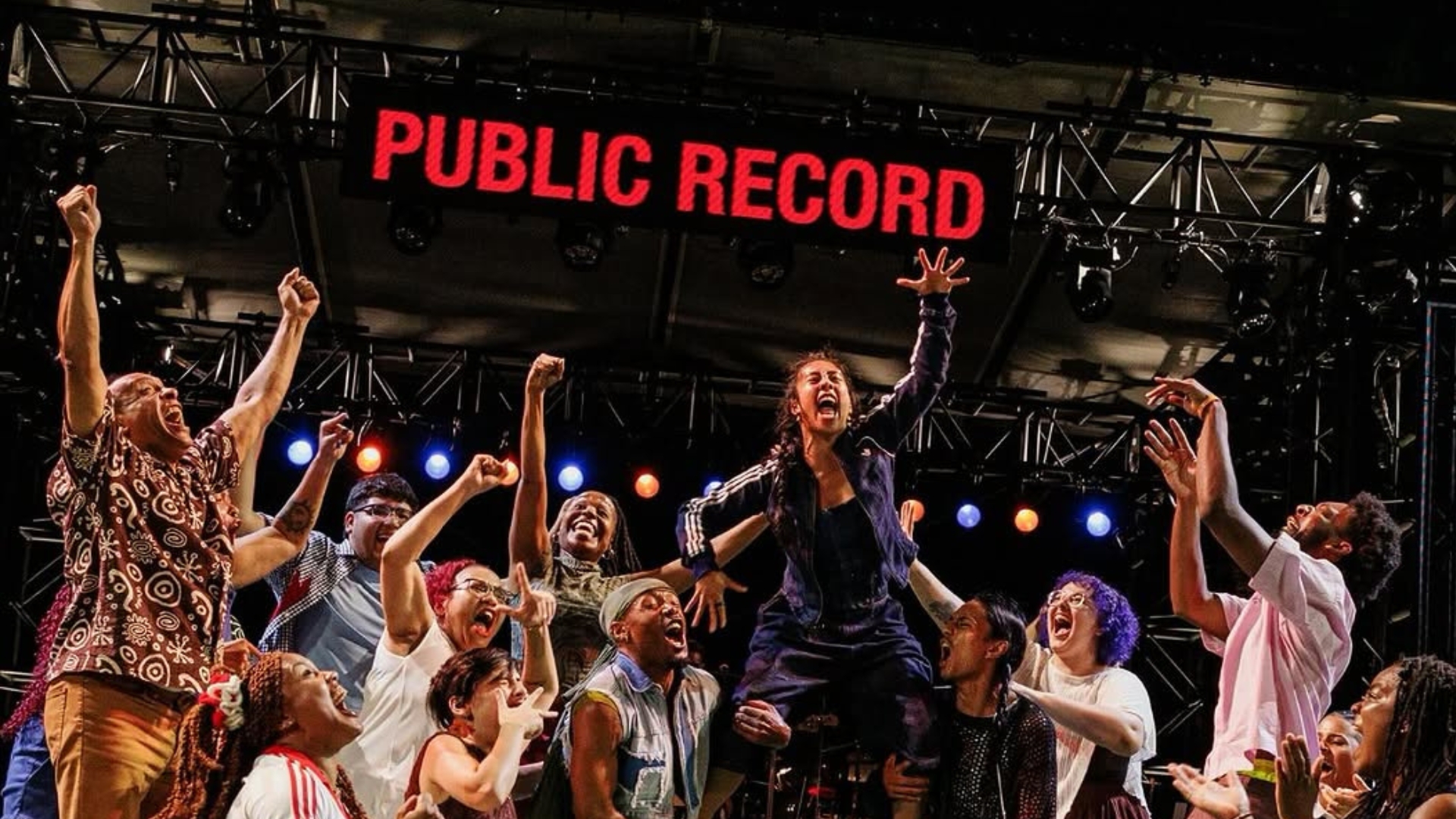
New York’s Public Theater takes participation into the making of theater through Public Works, which brings community members into large-scale productions alongside professional artists.
Its September 2026 production Public Record was shaped by stories gathered through workshops and surveys involving around 350 New Yorkers. More than 100 performers, many of them community members, brought those accounts to Central Park’s Delacorte Theater in a live-album format combining music, movement, and storytelling.
A Spanish-language reimagining of “New York, New York,” titled “Nuevayol,” was one expression of the city’s cultural mix.
The participants contributed their own experiences to the material that formed the basis of the performance. The city’s inhabitants became part of its artistic representation.
DESIGNING FOR PARTICIPATION
These formats require artistic decisions every bit as intentional as those behind a conventional production. Someone has to choose the material, build participants’ confidence, and provide enough structure for the group to create something worthwhile. There also has to be room for different levels of involvement: some people are ready to perform immediately; others need time.
The opportunity extends beyond adding an interactive moment to an existing event. It invites them to reconsider who gets to make the work, whose stories it carries, and how the experience shapes the relationship between an institution and its community.
People who help create an artistic experience leave with something more personal than the memory of having attended. They carry the knowledge that the work would have been different without them.