
Cultural organizations often assume that if the work is strong enough, audiences will understand why it matters.
A collection has historical depth. A performance has artistic rigor. A festival has a carefully constructed curatorial line. A building carries institutional memory.
Yet value does not always travel by itself.
For many audiences, the barrier is not a lack of interest. It is a lack of legibility.
Legibility refers to how easily people can read a system, space, or experience. In culture, it shapes whether audiences can quickly understand what is being offered, why it matters, and how they are invited to participate.
This is where many institutions struggle.
Cultural value can be real and still difficult to read. A museum can have extraordinary objects and a confusing interpretation. A concert can be artistically exceptional and socially intimidating. A cultural building can be open to the public and still unclear about what the public is allowed to do there.
The legibility gap occurs when institutions understand their own value better than audiences can perceive.
MODELS IN PRACTICE
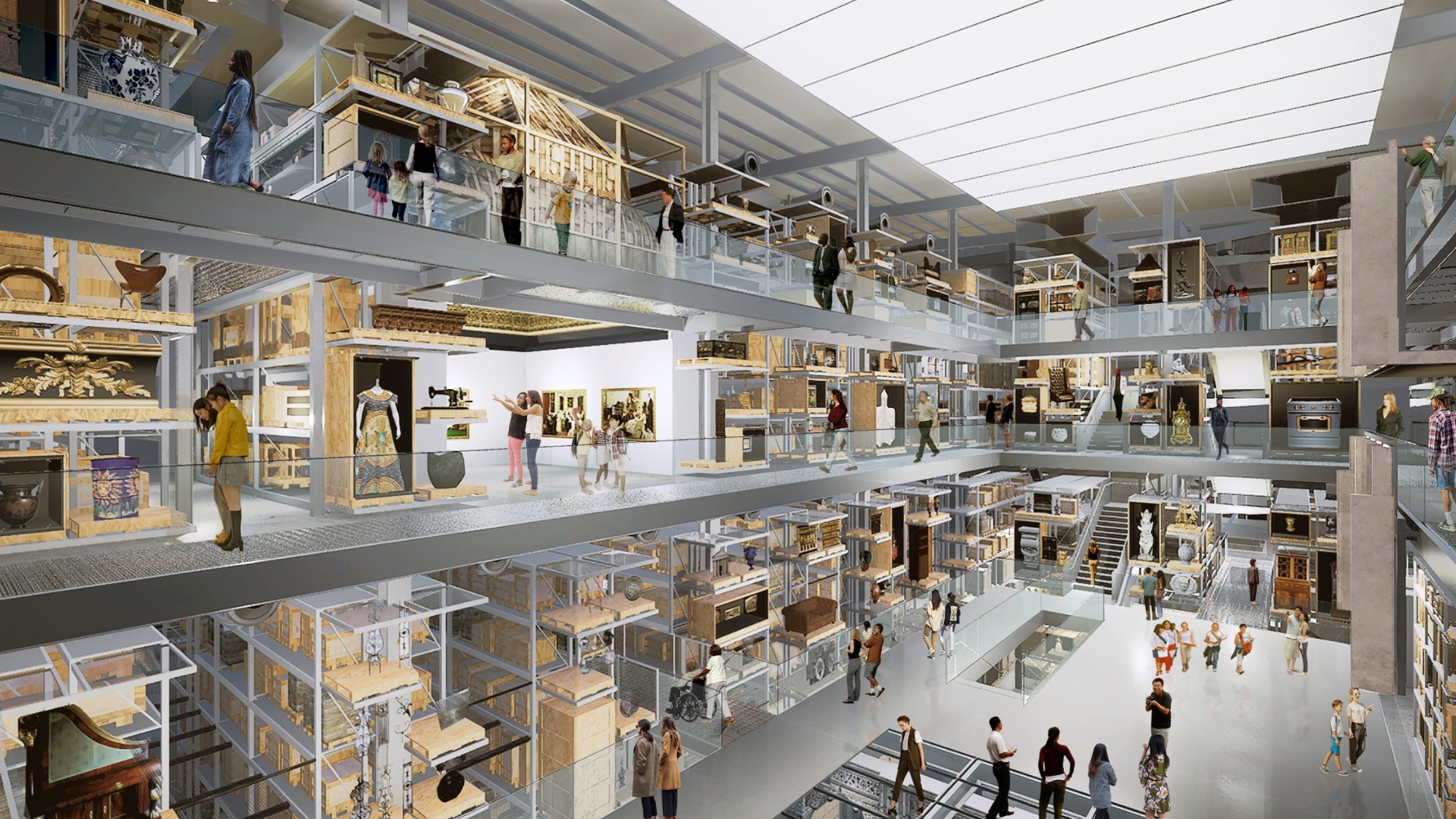
V&A East Storehouse — London
V&A East Storehouse offers a useful example of how to make hidden value readable. The project opens the museum store to the public, allowing visitors to encounter objects, archives, conservation work, and collection systems that are usually kept behind the scenes. Its “Order an Object” service even allows people to request access to stored objects from the V&A collection.
The shift is simple but powerful. Storage is no longer treated as an invisible backstage function. It becomes part of the public experience.
For many museums, collections are vast but abstract. Audiences see only a small percentage of what the institution holds. V&A East makes the hidden structure more legible. It helps visitors understand that a museum is not only an exhibition space. It is also a system of care, access, research, and preservation.
The value was already there. The institution changed how visible it became.
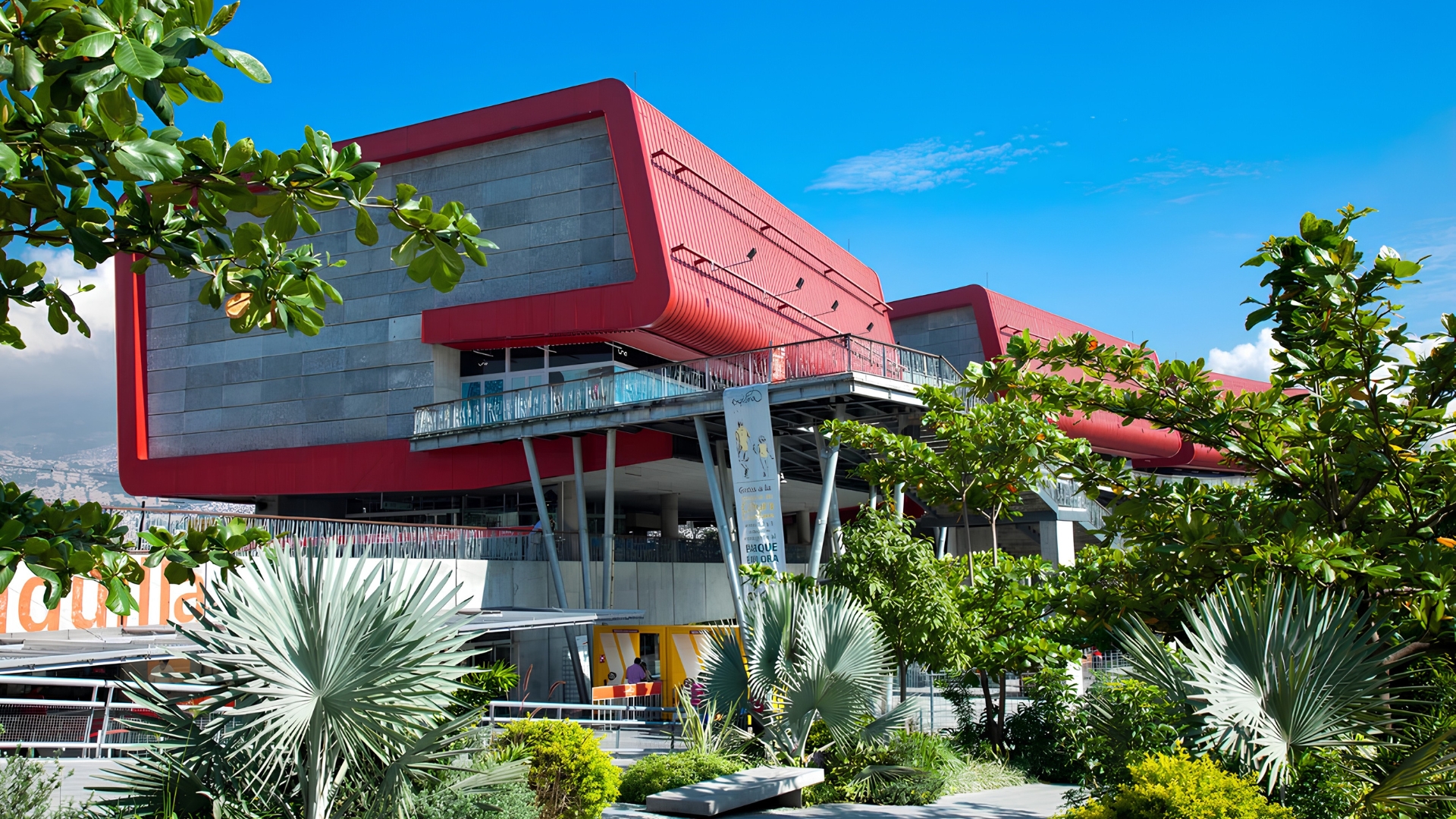
Parque Explora — Medellín
Parque Explora makes complex knowledge easier to understand.
The museum combines interactive science exhibitions, a planetarium, an aquarium, and a public experimentation workshop. Instead of presenting knowledge as something audiences must passively receive, it turns learning into something visitors can touch, test, observe, and explore.
This matters because science, like contemporary art or classical music, can become intimidating when its codes are invisible. Technical knowledge often creates distance before curiosity can begin.
Parque Explora reduces that distance through interaction and accessibility. Its spaces help visitors understand that participation is allowed. They do not need to arrive as experts. They can begin by doing.
The lesson for cultural organizations and creators is clear: legibility is not only about explanation. Sometimes people understand value because the experience gives them a way to enter physically, sensorially, or playfully.
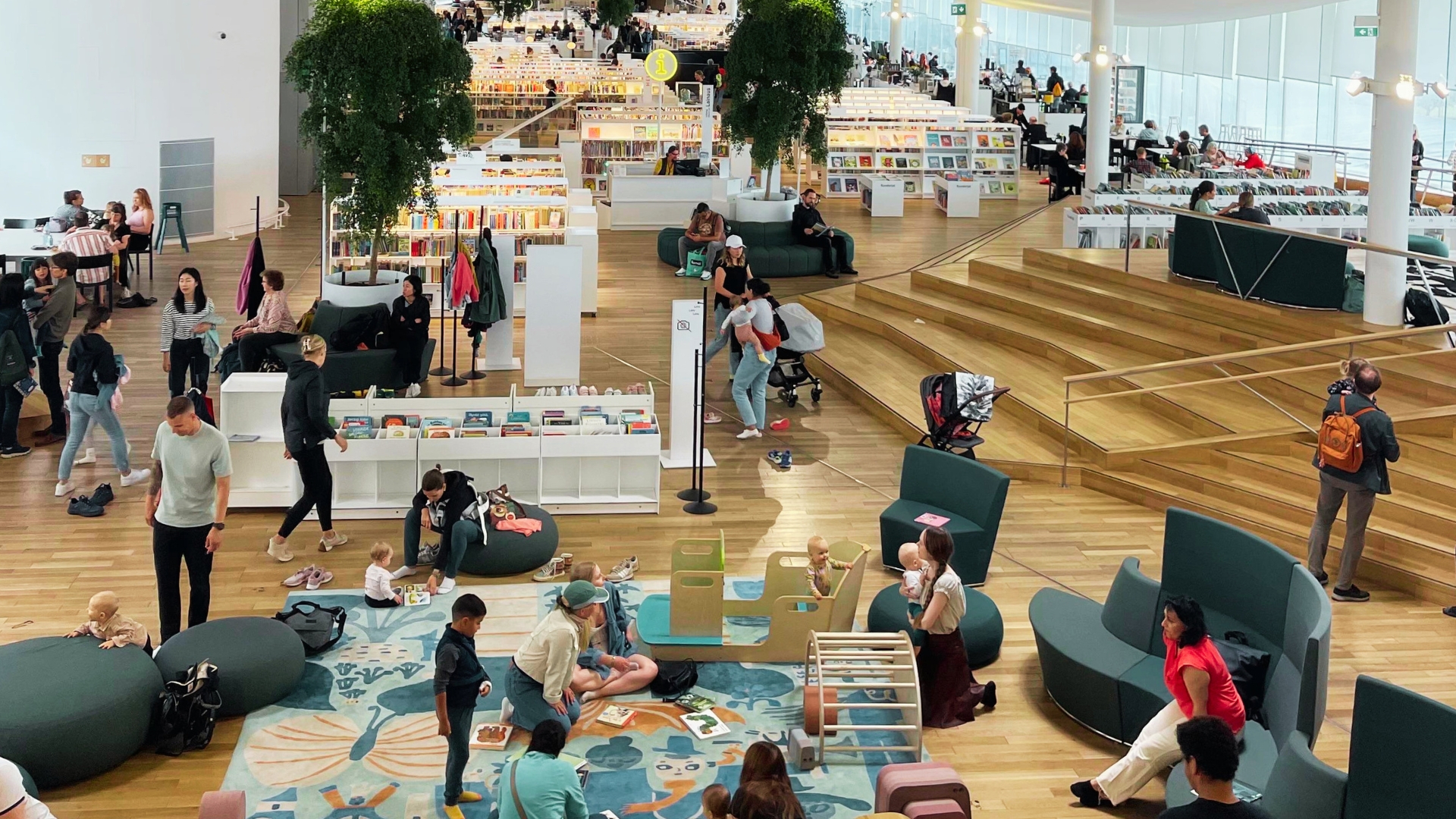
Oodi — Helsinki
Helsinki’s Central Library Oodi makes the public purpose unusually legible.
Its offer is not limited to borrowing books. Visitors can work, meet friends, attend events, use studios, create in workshops, reserve spaces, or simply spend time in the building without a commercial transaction.
This clarity matters.
Many cultural buildings say they are open to everyone, but their spaces communicate uncertainty. Can people sit without buying something? Can they work there? Can they enter without a ticket? Can they talk? Can they stay?
Oodi answers those questions through design and language. Its value is legible because the building makes possible behaviors visible.
The institution not only invites the public in. It helps the public understand what kind of participation is possible once they arrive.
MAKING VALUE READABLE
The legibility gap is not a communications problem alone. It is a strategic problem.
When audiences cannot read an institution, they cannot fully value it. They may admire it from a distance, but they are less likely to enter, return, support, recommend, or feel a sense of ownership over it.
Legibility appears in many places: the first sentence of a website, the entrance sequence of a building, the tone of a label, the design of a ticketing page, the structure of a membership offer, or the rituals surrounding a performance.
Complexity is not the enemy. Many cultural experiences should be layered, demanding, and rich.
The problem begins when institutions mistake opacity for depth.
Audiences do not need everything simplified. They need better entry points.
The strongest cultural organizations make their value easier to perceive without flattening what makes it meaningful. They help people understand where they are, what matters, what they can do, and why the experience deserves their attention.
Culture becomes more powerful when people can read their way into it.
Register for the chance to be invited to apply to The Global Arts MBA