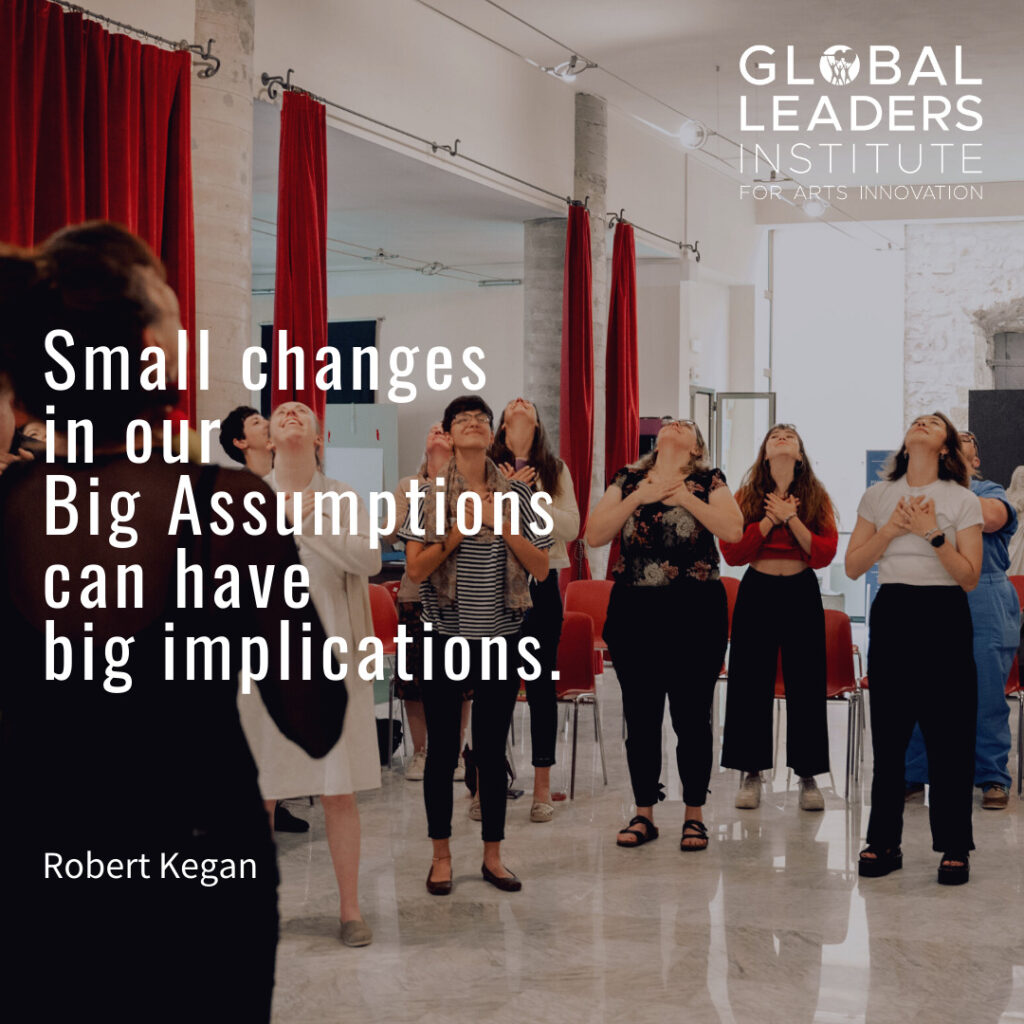
The more we grow, accomplish, build, and mature — the more challenging it can feel to continue embracing the adventurous mindset that started our journey.
The initial optimism that once made us open to collaborating, experimenting, and innovating can incrementally give way to doubts about our ability to continue transforming. Questions arise, like Have we reached our limit? How much further can we go? What might we lose?
This same resistance to change is a tendency that naturally develops in enterprises and organizations over time. The confidence of youth gives way to the caution of maturity.
To help organizational leaders better understand and respond to this phenomenon, psychologist Robert Kegan and researcher Lisa Laskow of the Harvard Graduate School of Education developed the “Immunity to Change” framework.
Kegan and Lasdow’s work demonstrates how individuals and organizations increasingly underestimate their ability to overcome hurdles as they progress. To counter this tendency, developing processes for reflecting on this increasing “Immunity to Change” can be the best basis for responding. “If you are leading anything at any level, you are driving some kind of plan or agenda, but some kind of plan or agenda is also driving you.” Individuals and organizations contemplating their resistance to change will likely develop mechanisms for overcoming new barriers.
In the GLI’s Arts Innovation MBA journey, each fellow undertakes a yearlong Change Project focused on personal growth. The Change Project cultivates the repeated process of identifying and working to overcome uncomfortable limiting beliefs, blindspots, and fear barriers — supported by a dedicated change coach and private peer partner to enhance perspective, accountability, and confidence in outcomes.
Regardless of where an individual or enterprise is in their journey, periodically and routinely reflecting on our natural tendency to become Change Immune can be the basis for maintaining long-term renewal and growth.