
THE LEGIBILITY GAP |
Why Some Art Connects

Cultural organizations often assume that if the work is strong enough, audiences will understand why it matters. A collection has historical depth. A performance has artistic rigor. A festival has a carefully constructed curatorial line. A building carries institutional memory. Yet value does not always travel by itself. For many audiences, the barrier is not […]
THE MUPPET METHOD |
Playing serious in the arts

Jim Henson’s legacy is usually described through characters: Kermit, Miss Piggy, Big Bird, Cookie Monster, Fozzie Bear, and Gonzo. But the deeper lesson is not the puppets themselves. It is the creative operating system behind them. Henson treated play as a serious method. His work combined technical craft, absurd humor, emotional intelligence, ensemble collaboration, and […]
NARRATIVE BOOST |
How stories power art that travels

Creative work is often judged by what people can see. A film. A song. A performance. A festival. A building. A body of work. A creative business. But support rarely comes from the work alone. People also support the story they believe the work belongs to. This is the useful insight behind narrative economics, a […]
RETURN OF THE SALON |
How small gatherings are repowering culture
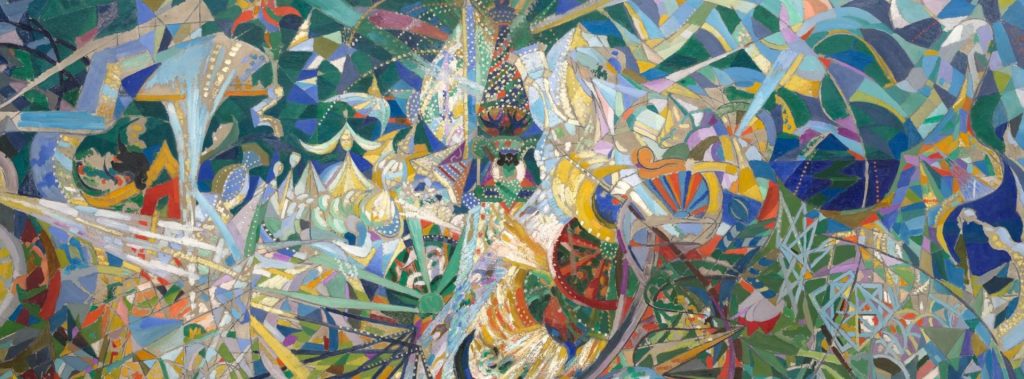
For much of the twentieth century, cultural influence flowed through institutions. Museums, theatres, publishing houses, and media organizations acted as the primary gatekeepers of artistic production and intellectual exchange. Ideas traveled through exhibitions, performances, festivals, and conferences designed to reach large audiences. Yet many creative breakthroughs have historically emerged in much smaller settings. Before work […]
NEON WILDLIFE |
Flávia Braun on wildlife, beauty, and art as activism
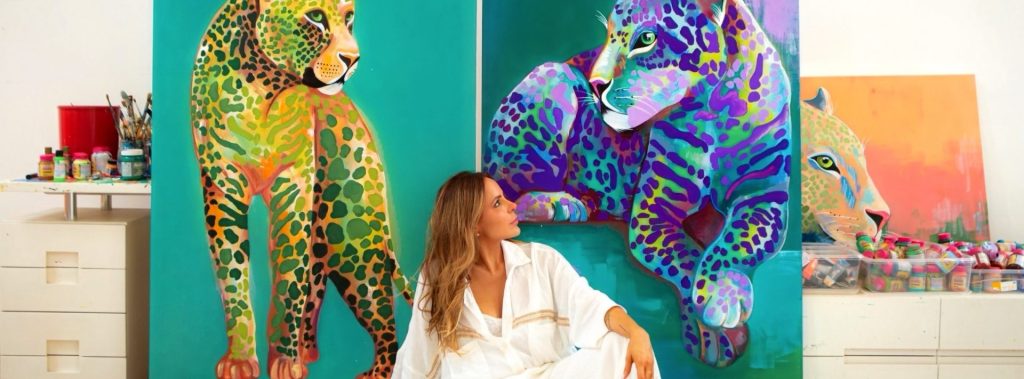
1. Your work hits first through color, scale, and animal presence. How did that visual language become yours? My visual language came very intuitively at first. Color was always emotional for me, a way to transmit energy before words even existed. Growing up in Brazil, nature never felt subtle. Everything felt alive, intense, vibrant, almost […]
STATUS LAYER | how visibility shapes creative demand
Cultural organizations often explain demand in terms of quality. A strong exhibition. A prestigious artist. A powerful performance. A respected institution. A carefully designed program. All of these matter. But they do not fully explain why certain cultural experiences become magnetic. People do not only desire culture because of what it contains. They often desire […]
THE MAYA PRINCIPLE | Innovation Without Alienation
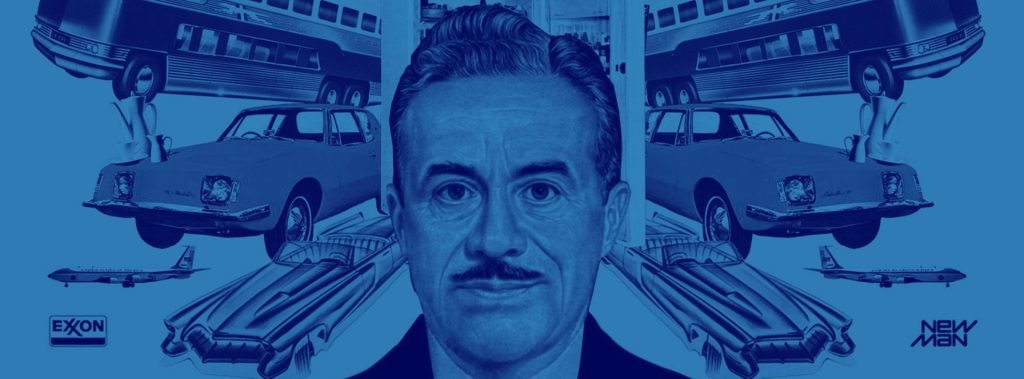
Creative fields prize originality. Festivals promote bold experimentation. Artists are encouraged to break conventions and explore unfamiliar territory. Yet a persistent tension appears across the cultural landscape. Work that is too unfamiliar often struggles to connect with audiences, while ideas that mix novelty with recognizable elements tend to travel much further. Design theory offers a […]
SONG RIGHT | Hitmaker Erika Ender on crafting songs with authenticity

1. When writing a song, do you ever know in the moment that you’ve struck gold, or do some songs surprise you later by how deeply they connect? I give every song the same love and dedication. I stay connected to my inner child, to observing life and everything around me. Some songs come faster, […]
FIRST SIGHT | Why recognition stands out in the arts
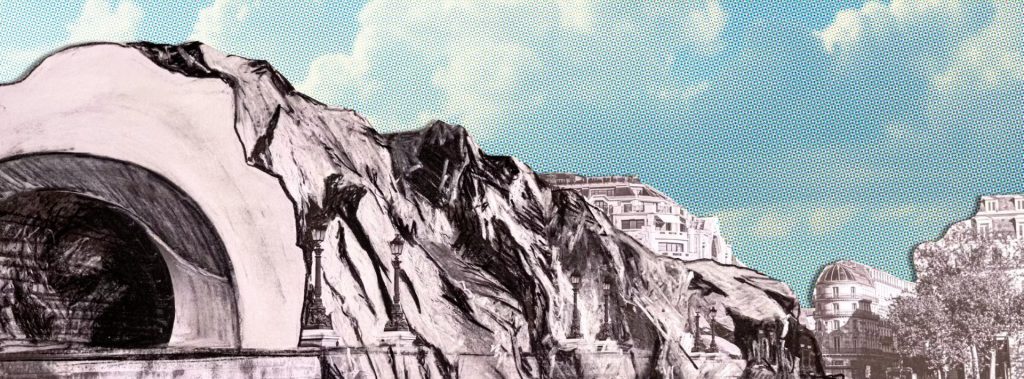
Cultural organizations often try to stand out by being different. Festivals promote unique programming. Museums develop exhibitions unlike those of their peers. Artists search for styles that feel completely original. The assumption is straightforward: difference attracts attention. Yet research in marketing science points in another direction. What audiences respond to most reliably is not difference, […]
THE GENEROSITY ADVANTAGE | What the arts can learn from unreasonable hospitality

Cultural institutions spend enormous energy perfecting what audiences come to see. Museums refine curatorial narratives. Theatres invest in staging and production. Festivals compete for premieres and prestige. Yet some of the most memorable cultural experiences are shaped by something else entirely. Hospitality. In his book Unreasonable Hospitality, restaurateur Will Guidara describes a philosophy that transformed […]