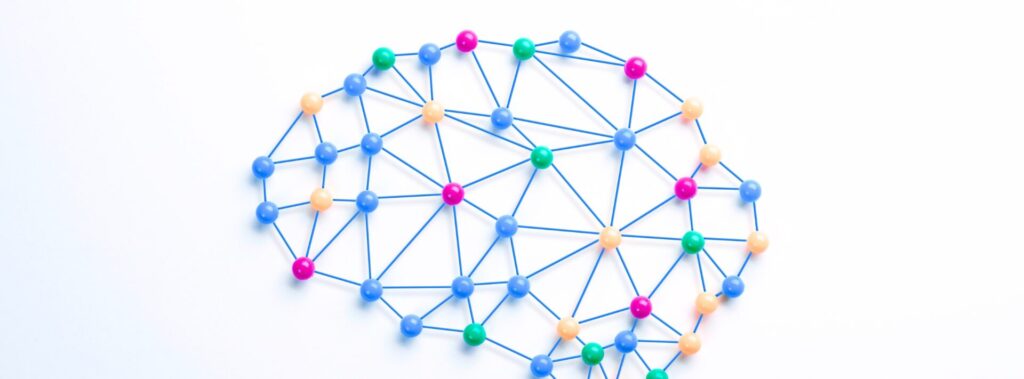
Today, the role of the arts is expanding in profound and practical ways. Beyond galleries and concert halls, the arts are emerging as essential tools for mental health, community cohesion, and innovation.
In their book Your Brain on Art: How the Arts Transform Us, Susan Magsamen and Ivy Ross illuminate art’s profound impact on our brains, bodies, and lives. This groundbreaking book reveals the science behind art’s ability to enhance cognitive and emotional health, presenting a compelling case for why cultural organizations should leverage these insights to deepen engagement and drive meaningful change.
The Science of Neuroaesthetics
Neuroscience shows that engaging with art activates multiple brain regions, triggering a cascade of positive effects. Activities like painting, dancing, or listening to music release dopamine, which boosts mood, and oxytocin, fostering trust and connection while reducing cortisol, the stress hormone. These responses may promote emotional regulation, improve memory, and foster problem-solving skills.
Crucially, these benefits are accessible to everyone, regardless of artistic skill level. This makes art an invaluable tool for enhancing well-being and resilience, whether through structured programs or informal creative engagement.
Art as a Catalyst for Community
Art’s impact goes beyond the individual. It can bring people together, fostering belonging and shared purpose. Public art projects, collaborative installations, and community festivals create spaces for dialogue and connection, bridging divides and cultivating inclusivity.
Cultural organizations are uniquely positioned to lead these efforts. Participatory initiatives, such as neighborhood murals or community art walks, enrich public spaces and strengthen the social fabric. These projects remind participants of their shared identity and collective potential.
Transforming Healthcare Through Art
Art is also gaining recognition in healthcare, where it is used to complement traditional treatments. Studies show that art therapy can alleviate anxiety, reduce pain, and improve outcomes for patients with chronic conditions or mental health challenges. Music has been used to unlock memories for dementia patients, while immersive digital art reduces anxiety in hospital settings.
Cultural organizations can expand their influence by partnering with healthcare providers to deliver art-based interventions. These initiatives may enhance patient care and position the arts as central to holistic health solutions.
The Power of Multisensory Engagement
Art’s transformative effects may deepen when engaging with multiple senses. For cultural organizations, multisensory programming is a way to captivate audiences and foster deeper engagement. Interactive installations or performances that engage sight, sound, and touch resonate more profoundly, creating lasting memories and emotional ties.
Creativity Fuels Innovation
Art is not only about expression but also innovation. Creative practices may encourage divergent thinking—the ability to generate multiple solutions to a problem. This is why companies like Google and IDEO integrate art into their work environments, leveraging it to boost collaboration and drive innovation.
Cultural organizations can adopt a similar approach, positioning themselves as hubs of creative thinking. By partnering with businesses, schools, and research institutions, they can highlight art’s role in leadership development and problem-solving, opening doors to new collaborations and revenue streams.
Strategies for Cultural Organizations
To harness the full potential of art, cultural organizations can adopt the following strategies:
Wellness Programs: Offer workshops focused on art and mental health, targeting individuals, corporate teams, and underserved communities.
Community Engagement: To foster inclusivity and shared purpose, organize collaborative art projects, such as public murals or storytelling festivals.
Healthcare Partnerships: Collaborate with hospitals or clinics to deliver art interventions addressing chronic conditions or mental health challenges.
Immersive Experiences: Design multisensory exhibits that captivate audiences and create lasting emotional connections.
Educational Initiatives: Teach the public about the neuroscience of art through interactive sessions and exhibitions.
Art has the power to heal, connect, and inspire innovation. By integrating neuro-aesthetic principles into their work, cultural organizations can transform lives and build stronger, more resilient communities.
In the hands of visionary organizations, intentional arts interventions aimed at extra-artistic outcomes can act as powerful platforms for fostering well-being, enhancing social cohesion, and inspiring innovation in ways that science is only beginning to understand.