 ABA & GLP | Innovation Field Notes
Founded in 1997 by Aaron Dworkin, The Sphinx Organization has been addressing the underrepresentation of people of color and the Latinx population in classical music. The organization covers four main programs: Education and Access, Artist Development, Performing Artists and Arts Leadership. Special emphasis is placed on preparing a new generation of arts leaders to ensure the development of innovative proposals based on the perspective of diversity and social justice through the arts.
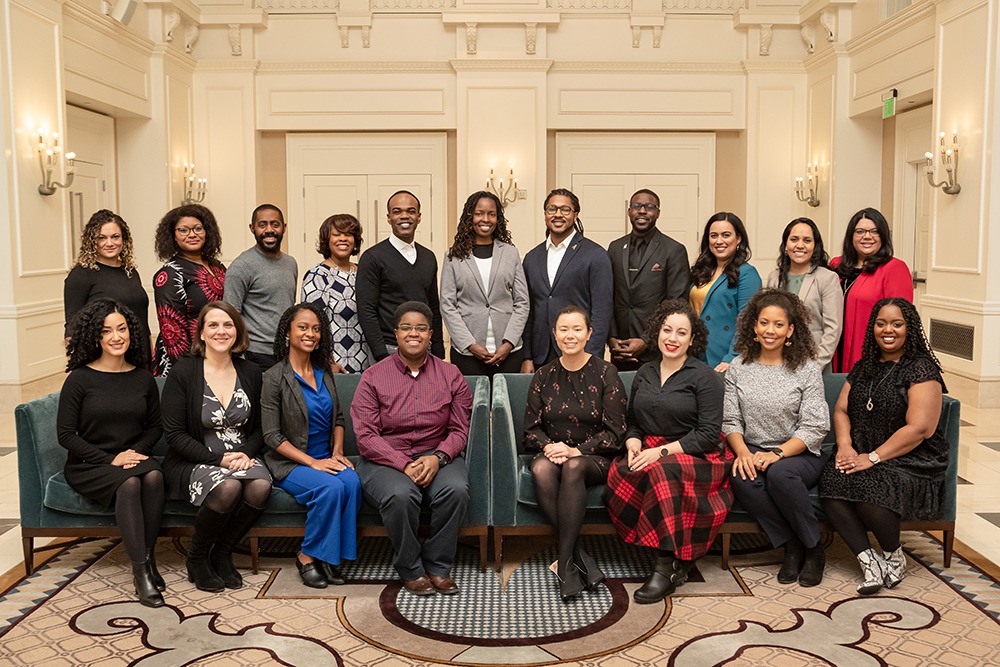
 Sphinx LEAD (Leaders in Excellence, Arts & Diversity) is a 2-year leadership program designed to evolve the industry landscape by empowering the next generation of executive leaders. Black and Latinx arts leaders are selected annually to participate in a curriculum including mentorship, networking, and leadership retreats at top institutions nationwide. LEADers receive funding of up to $5,000 towards individual professional development, stipends for housing/travel expenses, opportunities to learn the best practices from leading arts organizations across the country, professional mentorship, access to a network of influential industry professionals, and collaboration and support within the arts community. Participants are encouraged to join the new generation of advocates for social justice and life-transforming experiences through the power of diversity in the arts.
The model of Sphinx LEAD can serve as a useful reference point to other arts organizations through its advancement of a number of key values for the field at large. These includes the following:
- Artistic excellence is not the sole skill set required to excel in the field of music; leadership and executive abilities are also essential.
- Nurturing these abilities in young people supports changemakers of the future.
- For racial equity and justice to be achieved at a policy level, it is incumbent on decision-makers to first themselves reflect the diversity that they seek to represent. In this way, granting opportunities to young individuals from underrepresented communities can help prepare greater numbers to step into future decision-making roles.
- A wide network is often a leader’s most valuable asset, yet can be the most difficult resource to develop. With access to contacts and a wider community of like-minded individuals, next generation leaders can overcome many barriers they would face, fast-tracking their potential.
- A unified effort is stronger than many individual voices. Bringing together a cohort of advocates for the power of diversity in the arts can call more attention to the cause, and increase the likelihood of achieving long-lasting results.
Authored by GLP 2022 Cohort members
Anita Lee (Taiwan & Canada), Rebecca Winckworth (Ireland), María Claudia Parias (Colombia), Adrián Nájera-Coto (Costa Rica)