

Audience Development: Rules of engagement
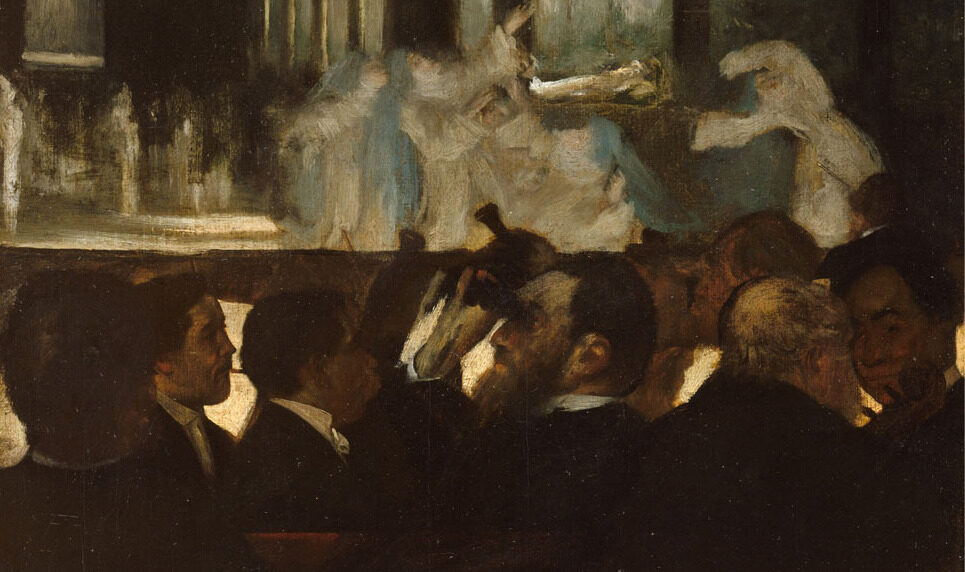
In the “The Live Performance Industry” substream led by Beata Dubiel-Stawska and Malgorzata Kucsmowska, GLI Fellows first approach the challenge of audience development by mapping the motivations that drive audiences to come together. What follows are some key takeaways to give arts leaders a starting point to this vast and complex subject. What is Audience […]
Breaking down the Immunity to Change barrier
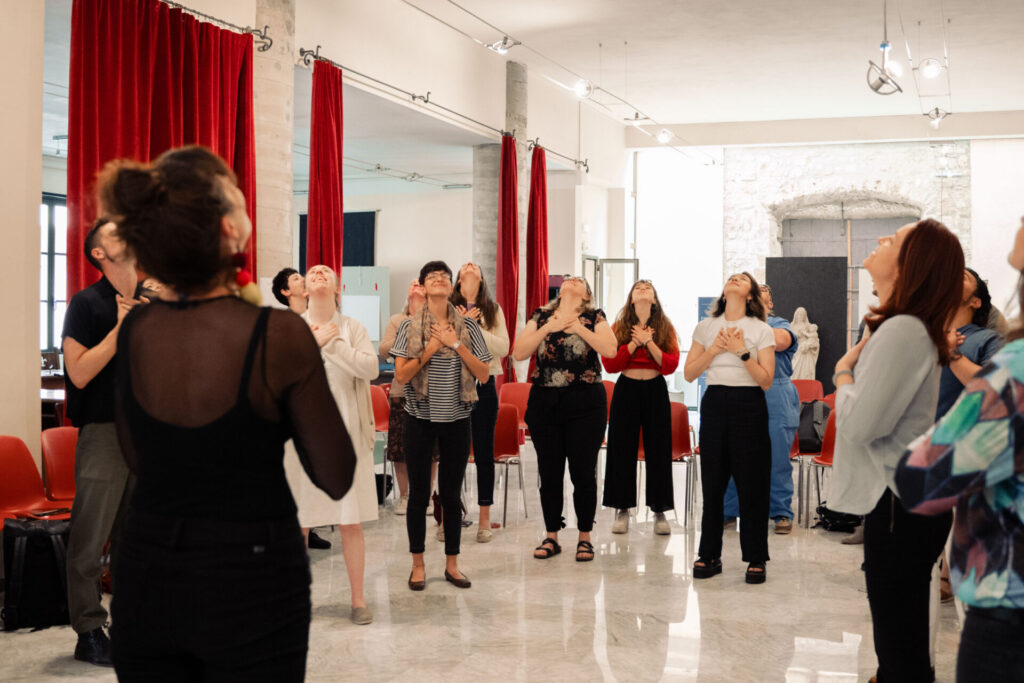
The more we grow, accomplish, build, and mature — the more challenging it can feel to continue embracing the adventurous mindset that started our journey. The initial optimism that once made us open to collaborating, experimenting, and innovating can incrementally give way to doubts about our ability to continue transforming. Questions arise, like Have we […]
How arts innovation works: Five principles

Arts innovation helps solve critical social challenges by revealing new ways of addressing the needs of diverse groups. Here are five frequent attributes of arts innovation — 1) using existing resources in novel ways 2) rethinking traditional processes to arrive at out-of-the-box solutions 3) linking ideas and technologies across sectors 4) working with traditionally overlooked […]
How Design Thinking helps the creative process
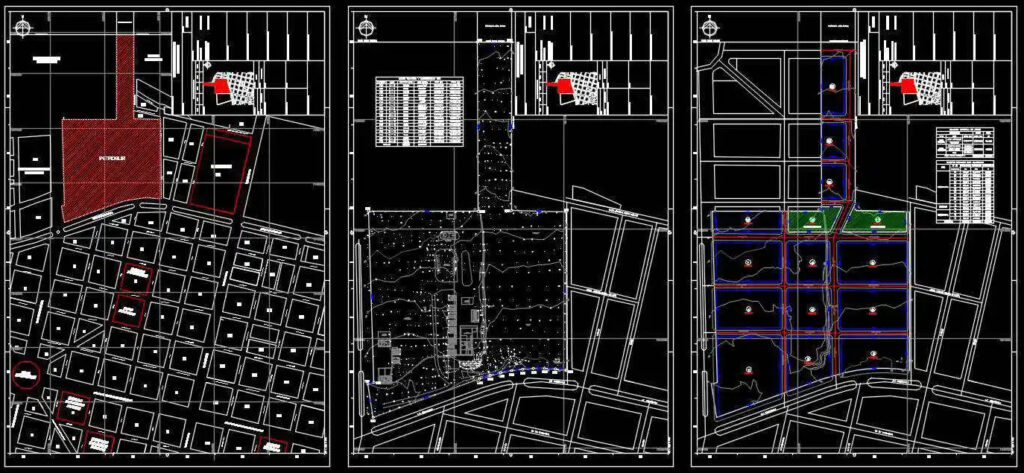
How can design thinking help the creative process? Design thinking can help the creative process by providing a structured and human-centered approach to solving problems. Design thinking is based on five stages: empathize, define, ideate, prototype, and test. 1) Empathize: This stage involves studying the values, needs, and challenges of users or audiences. It requires […]
The Reality Pitch: Common fails with Louis Songster

In “Creating Your Pitch” with Module Director Louis Songster (Social Rocket Factory), GLI Fellows practice a range of communication tools, including the “Reality Pitch.” What is a Reality Pitch? It is a pitch stripped bare of superfluous facts and details — focused on essential takeaways. Limited to 3-minutes in length, a Reality Pitch contains three […]
Identifying ethical dilemmas: a sound approach to good

In the GLI’s “Feasibility in Community-Engaged Evaluation,” Module Director Jessica Sperling (Duke University) and the 2023 Cohort explore the ethical design of evaluations. The issue of responsibility is a paramount theme in these sessions, including — 💡How to gather insights into an intended beneficiary community without overpromising solutions. 💡How to evaluate shortcomings within our organizations […]
Evaluation: A systematic approach to impact

In the “Evaluation: Frameworks for Considering Program Impact and Fostering Program Learning” by Jessica Sperling, PhD (Duke University), GLI Fellows explore the field of evaluation to understand its role in arts leadership. Supported by social sciences, evaluation is a form of research study. Evaluation is the systematic inquiry that addresses an initiative’s purpose rather than […]
The Ecological Perspective: Sense from nature’s patterns

In the GLI’s “Ecological Perspective” module led by David K. Hurst FRSA (Hill and Levene Schools of Business at University of Regina), fellows delve into what it means to assess organizational challenges and opportunities in the field. According to Hurst, ecology means a down-to-earth perspective — viewing systems within their context and avoiding abstractions that impede local […]
Artful proposal writing for effective fundraising

In the “Proposal Writing” sessions with Tracy Kaufman of Candid, the 2023 GLI Cohort delves into the world of artful fundraising. Kaufman shows how written proposals stand the best chance by aligning three elements — 1) Financial and impact data that bring to life the credibility of the plan 2) Language tailored to address the values of the prospective funder […]
The difference between good and excellent…

The Global Leaders Institute takes a deep dive into the “Customer Journey” concept under the Brand Management for the Arts module led by Renaud Legoux of HEC Montréal Business School. One of the “Customer Journey” concept’s central themes is engagement. Through case studies focused on the arts, class reading shows how creative organizations can improve engagement by creating […]