Every society has an edge of what is sayable.
There are subjects people know exist but struggle to name in public. There are realities hidden by politeness, fear, ideology, habit, shame, or institutional comfort. They may be visible in private life, but remain difficult to address in official language.
Culture often reaches those subjects first.
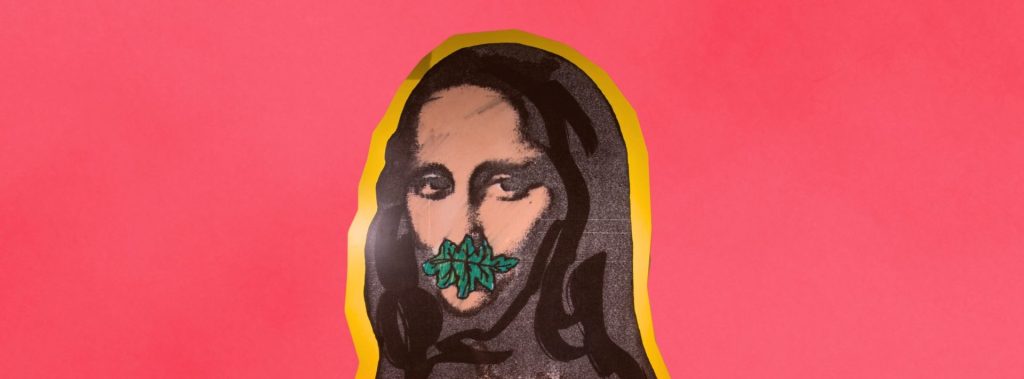
A poster can make silence look absurd. A play can give public language to a suppressed reality. A museum can frame a contested issue through memory, objects, bodies, images, and lived experience.
This is where the Overton Window becomes useful for cultural leaders. The concept comes from political theory and is associated with Joseph Overton of the Mackinac Center for Public Policy. It describes the range of ideas considered acceptable in public debate at a given time. Ideas outside the window may be dismissed as unthinkable, extreme, inappropriate, or impossible. As public values shift, the window can move.
For culture, the idea has a powerful translation.
Art, performance, film, literature, music, exhibitions, and public interventions can expand the language available to a society. They can make avoided realities visible. They can turn private discomfort into shared recognition. They can give form to what institutions have not yet found the courage, vocabulary, or legitimacy to say.
This matters because culture is often asked to justify itself in terms of attendance, tourism, economic impact, education, or entertainment.
Those things matter. But they do not fully explain the culture’s public function.
Culture also changes what a society can confront.
MODELS IN PRACTICE
Guerrilla Girls, New York and beyond
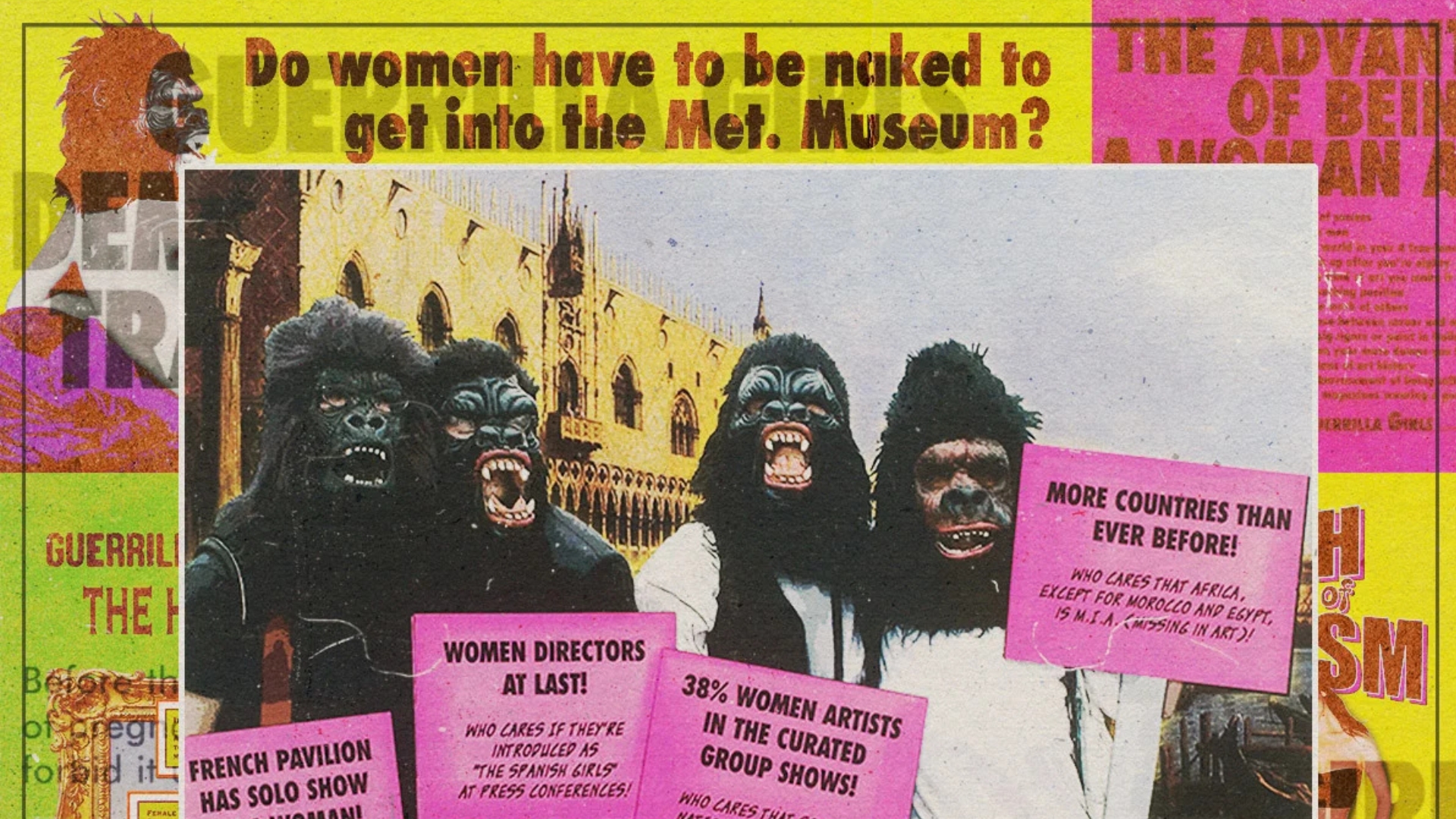
The Guerrilla Girls began in 1985 as an anonymous collective of feminist activist artists exposing sexism and racism in the art world.
Their posters used bold graphics, statistics, humor, masks, and public provocation to make institutional exclusion measurable and hard to ignore. Museums, galleries, critics, collectors, and audiences could no longer treat inequality as a vague impression.
The group shifted the conversation by making silence visible. Their work gave the art world sharper language for bias, representation, power, and accountability.
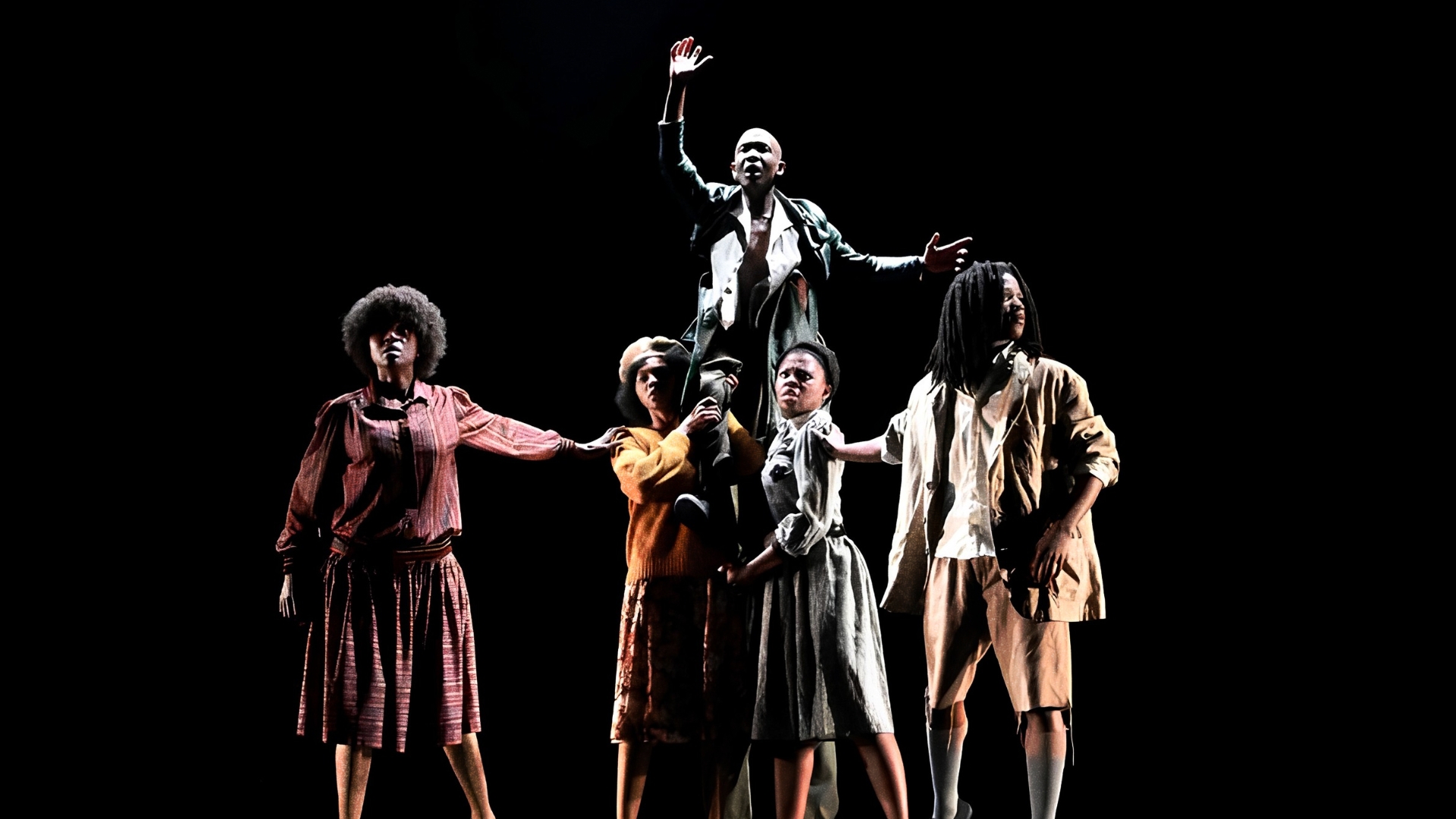
Market Theatre, Johannesburg
The Market Theatre was founded in Johannesburg in 1976, during apartheid. It became internationally known for anti-apartheid theatre and for staging work that confronted realities the political system tried to suppress.
Its legacy has continued beyond that historical moment. The Market Theatre Foundation now operates as a broader cultural institution, supporting theatre, music, dance, photography, education, and training.
This evolution matters. Market Theatre began as a stage for difficult truth. It’s newer legacy carriers that advance civic roles through artistic development, cultural memory, and platforms for new voices.
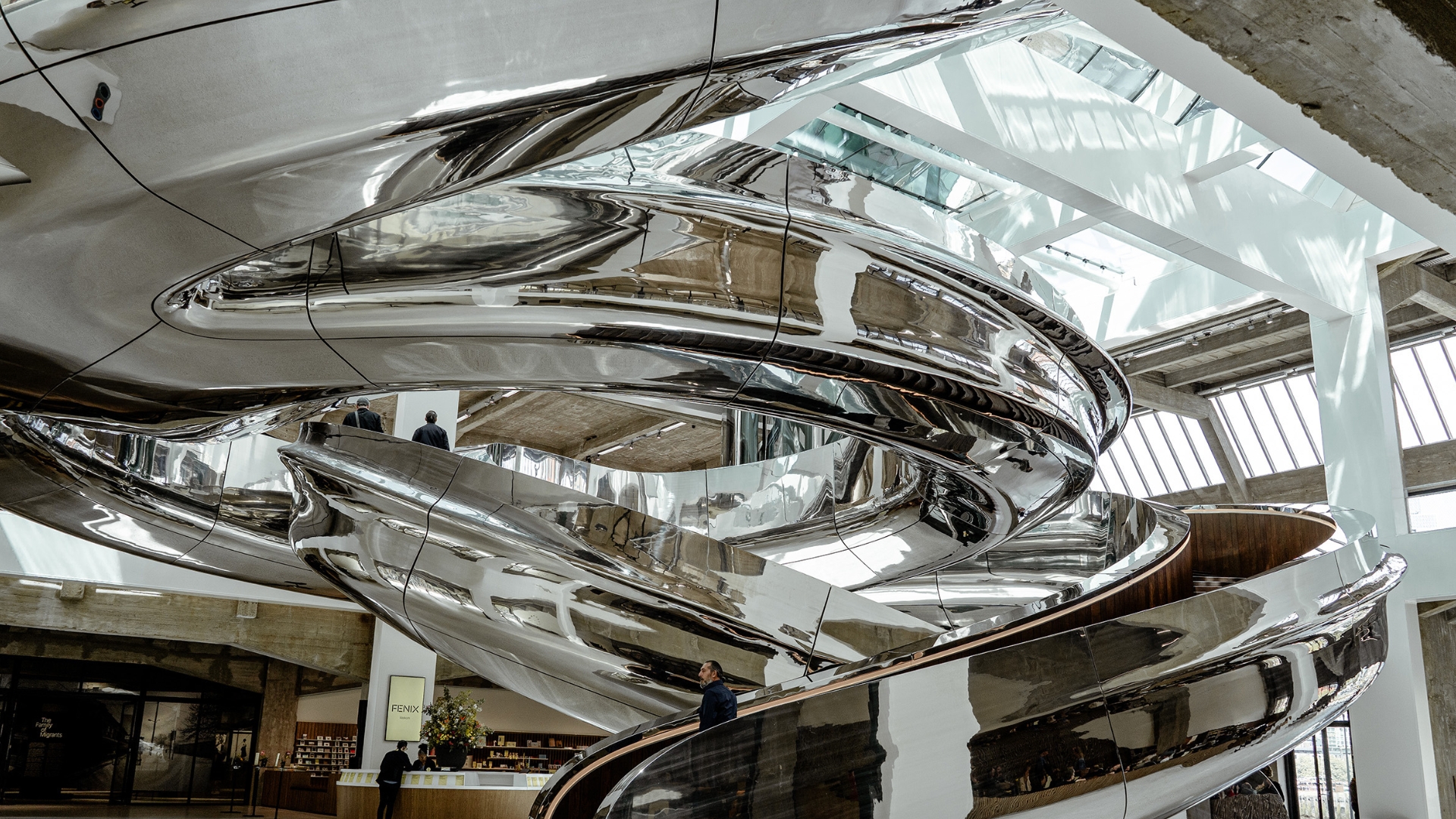
FENIX, Rotterdam
FENIX opened in Rotterdam as a new international art museum about migration. Its location matters: a restored warehouse in a historic port city shaped by departure, arrival, movement, and exchange.
Migration is often discussed in terms of crisis, numbers, borders, and policy. FENIX gives the subject a different public language. Through art, photography, personal objects, installations, and stories, it frames migration in terms of memory, identity, family, belonging, loss, and the search for home.
The museum’s role is timely. In a period when migration is politically charged across Europe and beyond, FENIX creates a cultural space where people can encounter migration as a human experience.
PUBLIC LANGUAGE
The edge of the sayable is never fixed.
It moves when artists expose hypocrisy. It moves when theatres give suppressed realities a public voice. It moves when museums create language for experiences reduced elsewhere to statistics or conflict.
For cultural organizations, this creates both opportunity and responsibility.
The question is not simply whether a program is bold. The question is whether it expands the public vocabulary with enough clarity, care, and artistic force to matter.
Some cultural work entertains. Some preserve memory. Some build community. Some help society say what it has avoided for too long.
That function is difficult to measure, but easy to recognize when it happens.
A subject enters the room differently.
People leave with language they did not have before.
The edge of the sayable has moved.