
In creative sectors, conformity rarely presents itself as conformity. More often, it appears as good judgment.
A museum selects the safer exhibition because it is easier to defend to the board. A festival repeats a familiar format because it performed well the previous year. A creator softens an idea because the original version may be harder to explain, fund, or distribute. In each case, the decision can seem reasonable.
The problem is that creative value depends partly on distinctiveness. When too many decisions are optimized for approval, the work may become more acceptable but less memorable.
This is the conformity trap: the tendency for organizations and creators to reduce creative risk in pursuit of legitimacy, only to weaken the qualities that make the work valuable in the first place.
The trap is difficult to detect because it often uses strategic language. It asks for clarity, alignment, audience relevance, funder confidence, or market fit. These are valid concerns. But when they become the dominant criteria, they can push cultural work toward sameness.
The issue is not whether creative work should take risks all the time. It should not. The issue is whether the pursuit of safety is quietly eroding the capacity to produce work that feels necessary.
MODELS IN PRACTICE
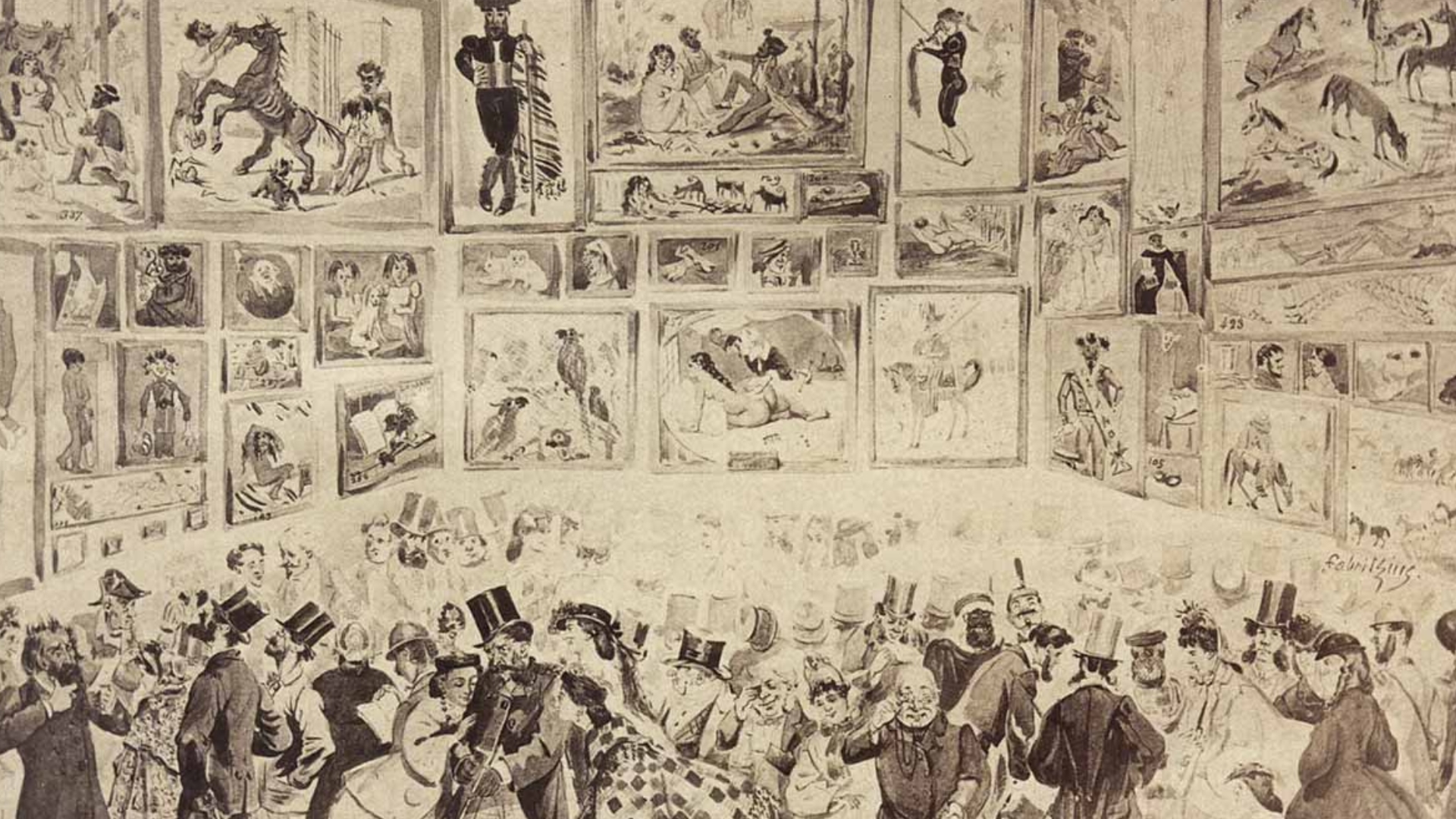
Salon des Refusés — Paris
In 1863, the official Paris Salon rejected a large number of works submitted for exhibition. By order of Napoleon III, many of those rejected works were shown separately in what became known as the Salon des Refusés. Among the exhibitors were Édouard Manet, Camille Pissarro, Paul Cézanne, James Whistler, and other artists whose work did not conform to the academic expectations of the official Salon.
The rejection was meant to mark the work as unacceptable. Instead, it helped make visible a change in artistic language.
The lesson is not that rejection guarantees importance. Most rejected work does not become art history. But the Salon des Refusés shows how institutions can confuse conformity with quality.
Sometimes the work that fails to fit the category is the work that later changes it.
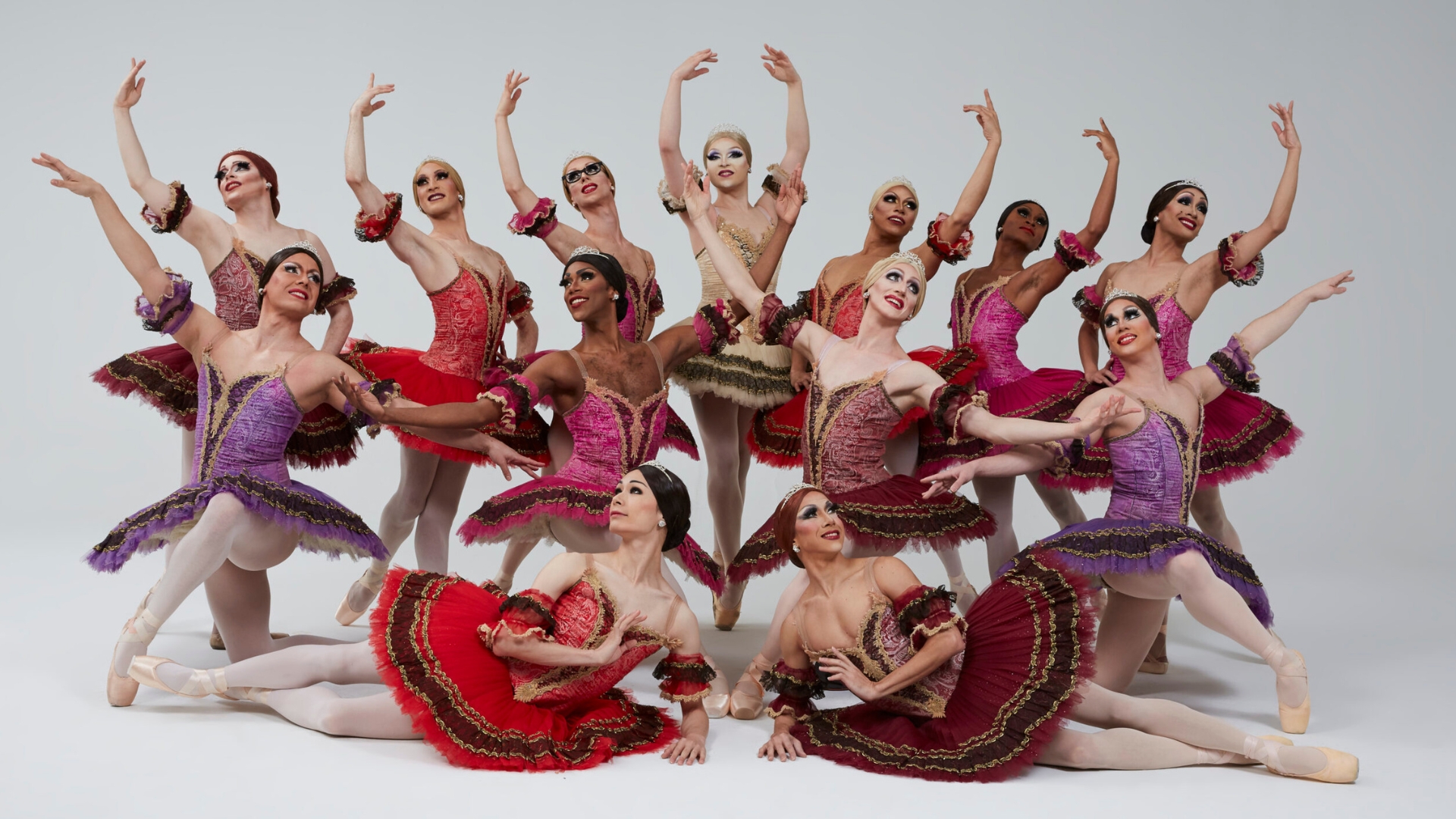
Les Ballets Trockadero de Monte Carlo
Les Ballets Trockadero de Monte Carlo, known as The Trocks, describes itself as a comic ballet company that parodies the conventions of romantic and classical ballet. The company performs classical repertoire with technical discipline, but through comedy, exaggeration, drag, and theatrical mischief.
The Trocks did not make ballet less rigorous. They made their codes visible.
Their humor works because the dancers understand the form. The parody depends on precision, musicality, timing, and deep familiarity with ballet tradition. Without that discipline, the joke would collapse.
For cultural organizations and creators, this is a useful distinction. Nonconformity does not always mean rejecting tradition. Sometimes it means knowing a tradition well enough to expose its assumptions.
The Trocks turned ballet’s seriousness into material. In doing so, they expanded what ballet could hold
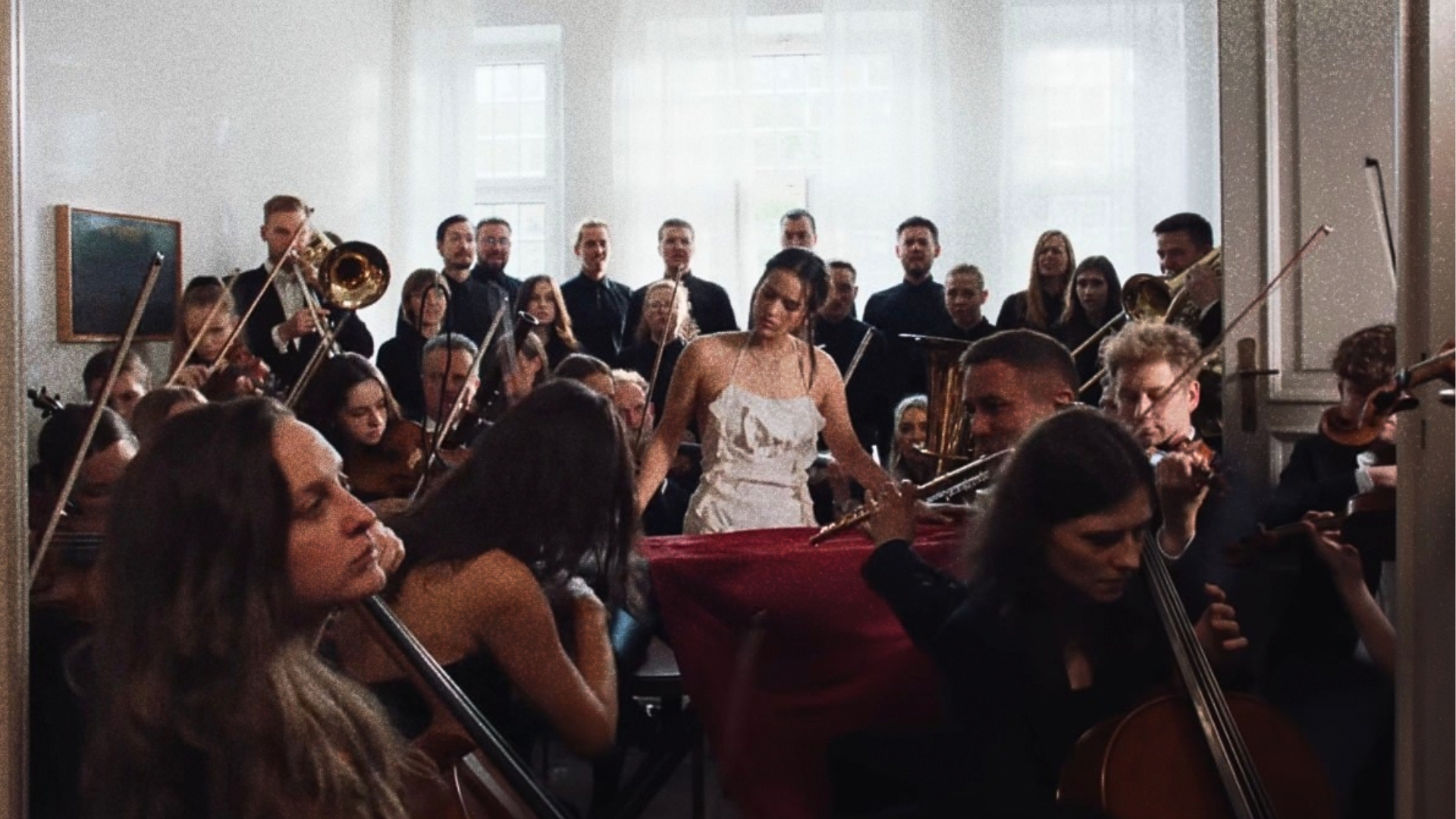
Rosalía — LUX
Rosalía’s LUX offers a contemporary example of creative risk at a mainstream scale.
Released in 2025, the album moved away from the more immediately accessible formulas often expected from global pop. Critics described it as an ambitious project that combined classical, orchestral, religious, and experimental references, with lyrics in 13 languages and collaborations with the London Symphony Orchestra and Björk.
After the commercial force of Motomami, Rosalía could have repeated a more familiar strategy. Instead, she made a work that asked more from the audience.
That decision matters because conformity is not only a problem for institutions. It is also a problem for successful creators. Once a formula works, the pressure to repeat it becomes stronger.
LUX shows that creative risk does not always mean moving away from visibility. Sometimes it means using visibility to stretch what the mainstream is willing to hear.
THE RISK OF FITTING IN
The conformity trap does not mean that every project should be provocative, difficult, or disruptive. Risk without discipline becomes noise. Difference without purpose becomes novelty.
But culture loses strength when approval becomes its highest ambition.
For organizations, this can result in programming that looks professional but feels interchangeable. For creators, it can mean shaping the work around what the market, the algorithm, the institution, or the peer group already knows how to reward.
The safer path may protect a project from criticism. It may also protect it from attention.
The strongest creative work usually understands the codes of its field before deciding which ones to challenge. It knows the audience, institution, or tradition it is speaking to.
It also knows where obedience has become too expensive.
In culture, the riskiest choice is not always the bold one.
Sometimes the greater risk is becoming indistinguishable.
Register for the chance to be invited to apply to The Global Arts MBA