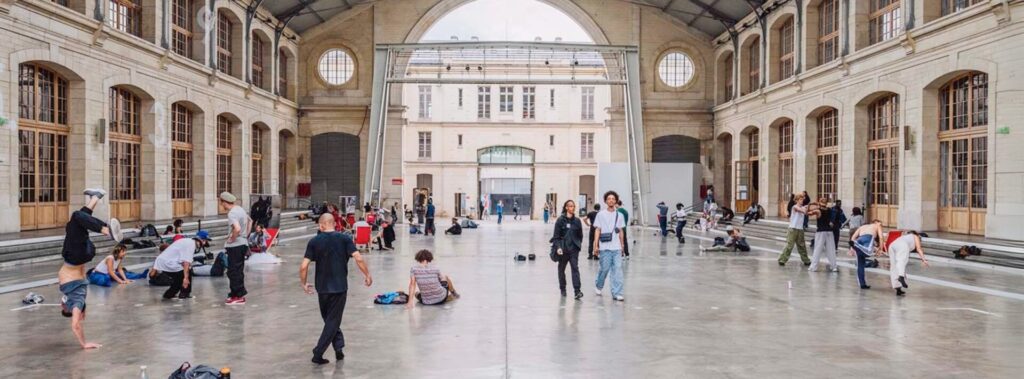
In an era where social connection and community engagement are increasingly valuable, cultural institutions have a unique opportunity to reconsider their role. By positioning themselves as “third spaces,” these organizations can attract new audiences, expand revenue streams, build partnerships, and strengthen community ties.
What Are Third Spaces?
Sociologist Ray Oldenburg introduced the term “third place” in The Great Good Place (1989) to describe social environments separate from home (first place) and work (second place). Cafes, parks, and libraries encourage informal gatherings and meaningful conversations. Oldenburg argued they are essential for civic engagement and social cohesion.
Today, third spaces include any setting that fosters connection and shared experiences. For cultural institutions, adopting this role means moving beyond static displays to create interactive, welcoming environments that invite people to engage in new ways.
Why Third Spaces Matter
Third spaces provide psychological and social benefits that extend beyond entertainment. They offer a sense of belonging, reduce stress, and combat social isolation. Studies show that people who engage in communal activities report higher well-being and social satisfaction levels.
Economically, these spaces contribute to community development by generating social capital—the relationships and networks that support innovation and opportunity. For cultural institutions, becoming a third space can increase foot traffic, diversify funding, and strengthen ties with audiences who may not typically engage with traditional arts programming.
How Cultural Enterprises Can Benefit
- Attracting New Audiences
A third space approach makes cultural institutions more appealing to people who might not visit for exhibitions or performances alone. Organizations can reach broader demographics by offering casual, interactive experiences—discussion forums, creative workshops, or open community nights. For example, the Brooklyn Public Library’s Night of Ideas transforms the library into an overnight festival of debate, art, and music, attracting thousands of participants from across the city, many of whom are not regular library users. Events like this create inclusive, low-barrier entry points that reshape people’s engagement with cultural spaces.
- Expanding Revenue Streams
New business models emerge when institutions embrace their potential as social spaces. Cafes, co-working areas, and event rentals can generate additional income while enhancing the visitor experience. For example, Warsaw University Library’s rooftop garden draws visitors beyond traditional library users, offering cultural enrichment and financial sustainability.
- Strengthening Community and Business Partnerships
Collaborating with local businesses, artists, and civic organizations can create dynamic programming that benefits everyone involved. Sydney’s Inner West Council transformed heritage town halls into free arts venues, strengthening the local creative economy while making culture more accessible.
- Deepening Public Engagement
Cultural spaces that invite participation—whether through open-mic nights, community-led exhibits, or interactive installations—help build lasting relationships with visitors. Museums have increasingly been recognized for their potential as meeting points for intercultural dialogue and civic discussions. For instance, the Museum of Contemporary Art in Chicago runs MCA Commons, a free, flexible public space for conversation, creation, and collaboration. Through programs like “Commons Artist Projects” and community-led events, the museum empowers local voices, fostering a sense of ownership and deeper engagement with the institution.
Cultural institutions have an opportunity to reshape how people engage with the arts. By evolving into third spaces, they can expand their impact, welcome new audiences, and create more sustainable business models. As the cultural landscape shifts, organizations that embrace this role will remain relevant, accessible, and vital to their communities.