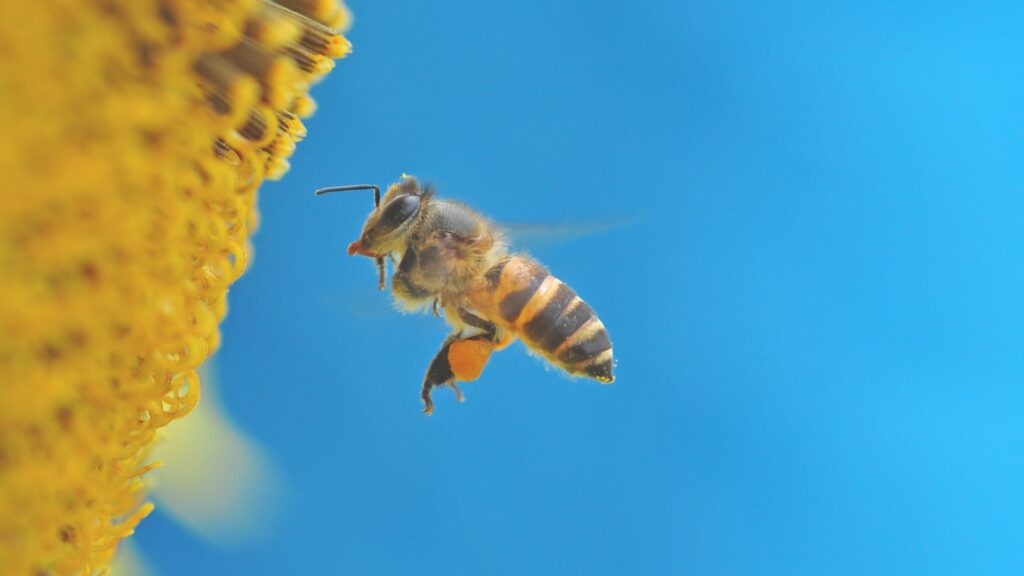
Cross-pollination, originally a term from biology, takes on a distinctive meaning in the cultural sector. It refers to the blending of mediums such as music, visual arts, literature, dance, and theater, resulting in a synthesis that transcends the sum of its parts.
In the arts, cross-pollination occurs when various artistic disciplines influence each other, leading to the creation of new forms, styles, or languages. This process goes beyond mere technique blending; it provides a fertile ground for innovation, allowing artists to break free from the constraints of single mediums and discover new creative possibilities.
The cross-pollination of artistic disciplines not only creates new forms, styles, or languages but also opens opportunities for continuous exploration. It encourages artists to step out of their comfort zones and experiment with unfamiliar ideas, leading to the creation of hybrid genres like operatic rock, a fusion of opera’s dramatic storytelling with the energy and instrumentation of rock music. Another clear example of artistic cross-pollination in action is cinema, where photography, screenwriting, and music are integrated into the service of one experience.
In the visual arts, the incorporation of comic book aesthetics into fine art has challenged the high-low art divide, as seen in the works of artists like Roy Lichtenstein and Takashi Murakami. In literature, magic realism is a result of realistic narratives infused with fantastical elements, a genre popularized by Latin American writers like Gabriel García Márquez and Laura Esquivel.
At the core of cross-pollination is interdisciplinary collaboration, enabling artists to create works that defy classification. Through networking, collaborative projects, residencies, and education, artists create environments that foster cross-disciplinary dialogue, sparking innovative collaborations that create new possibilities for the field.
In today’s digital age, cross-pollination opportunities have multiplied due to global connectivity and digital platforms. Artists can engage in virtual discussions, remix ideas, and create entirely new art forms, such as digital installations that merge visual art with interactive technology.
Artists can intentionally foster cross-disciplinary collaboration through deliberate actions and strategies, such as:
Networking and Community Engagement: Connect with peers from diverse disciplines through mixed-media art events, online forums, or local art communities.
Collaborative Projects: Work with artists from various fields, ranging from joint exhibitions to performance art pieces combining different art forms.
Residencies and Workshops: Participate in interdisciplinary programs that bring diverse artists together, providing structured environments for collaboration.
Educational Pursuits: Explore different artistic disciplines to broaden understanding and appreciation for various art forms.
Open Studios and Critique Sessions: Foster dialogue and idea exchange.
Leveraging digital platforms: Use digital platforms to showcase work and connect with artists globally, facilitating collaborations across geographical boundaries.
Curatorial Practices: Intentionally include a mix of disciplines to encourage cross-pollination among the participating artists and audiences.
By embracing openness, risk-taking, and collaboration, artists cultivate fertile ground for cross-disciplinary exploration, driving the ongoing evolution of the arts. Cross-pollination does more than drive artistic innovation. It also serves as a bridge between cultures, fostering admiration for the experience of others, and ensuring the enduring vitality of artistic expression.