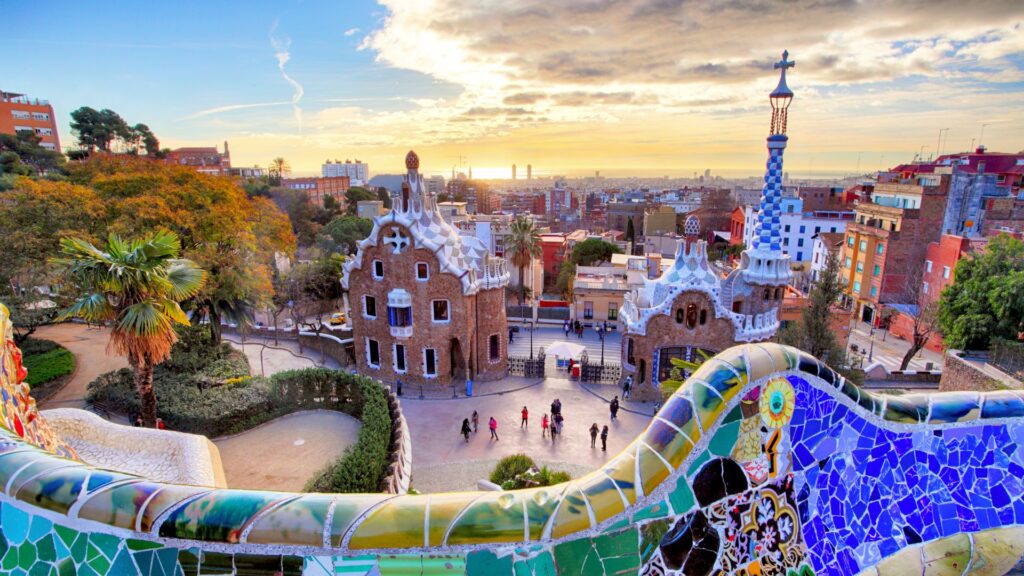
What is Creative Placemaking?
“Creative Placemaking” is a multi-disciplinary approach to community development that combines urban studies, environmental planning, sociology, architecture, design, and the arts to revitalize communities around vibrant gathering places.
Placemaking revitalizes communities by addressing social challenges through inclusive spaces that provide a forum for gathering. It involves collaborating with artists, residents, local organizations, and various stakeholders to identify community needs and co-create innovative solutions.
8 key tenets of Creative Placemaking can help revitalize gathering places –
-
-
Engage the Community:
Effective planning begins with listening to local needs and aspirations, cultivating inclusive decision-making processes that empower residents to actively shape their neighborhoods.
-
Bridge with Culture:
Use art as a tool for expression and social change. Install public art installations, murals, and performances that reflect the cultural identity and narratives of the community, fostering a sense of belonging and pride.
-
Enhance the Environment:
Beautify neglected spaces and transform them into vibrant hubs of activity. Activate underutilized areas such as vacant lots or alleyways with temporary installations, pop-up parks, and community gardens.
-
Power Local Markets:
Stimulate economic growth by supporting local artists and creative entrepreneurs. Establish artist residencies, co-working spaces, and artisan markets to showcase and sell handmade goods, generate income, and foster entrepreneurship.
-
Boost Cohesion:
Foster connections and build social capital among diverse community members. Organize cultural festivals, workshops, and storytelling events celebrating shared traditions and promoting cross-cultural understanding.
-
Build Capacity:
Empower artists and community leaders by providing training and resources tailored to their needs. Arts leaders can leverage their skills and knowledge to create workshops or invite experts from within the community to teach and engage. Offer sessions on grant writing, project management, and community organizing to strengthen skills and amplify impact. By harnessing the expertise and experiences of local talent, these workshops not only provide valuable knowledge but also foster a sense of ownership and collaboration within the community.
-
Connect the Dots:
Forge partnerships with government agencies, businesses, and nonprofits to leverage resources and expertise. Collaborate on multi-disciplinary projects that address complex social issues and drive sustainable change.
-
Evaluate and Adapt:
Continuously refine local initiatives based on stakeholder input, data analysis, and adaptive adjustments to ensure effective and responsive programs that meet evolving community needs. Be ready to adapt as needed.
-
By embracing creative placemaking principles, arts leaders can play a pivotal role in strengthening communities, fostering social cohesion, and creating more vibrant and resilient neighborhoods. The arts can transform lives and catalyze positive change through collaboration, innovation, and a commitment to equity and inclusion.